Best first gravel bike
The Best Gravel Bikes for Beginners
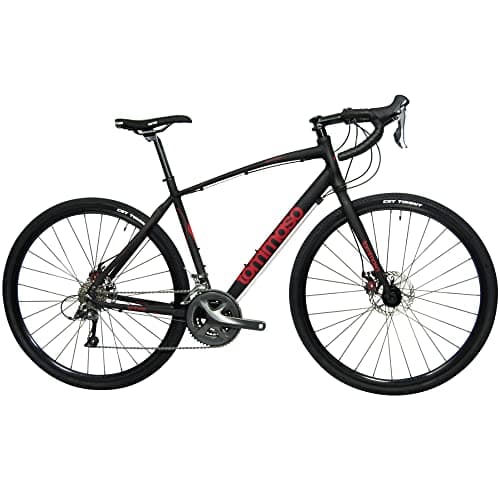
Tommaso and SAVADECK complete gravel bikes compared on published gearing, clearance, brakes and size charts — including the ones that miss our own bar.
Loose surfaces
Gravel is a tire-clearance number and a gearing decision wearing a marketing category's clothes. Get those two right and the rest follows.

“Gravel bike” is a marketing category wrapped around two engineering decisions: how wide a tire the frame will take, and how low the gearing goes. Everything else the industry tells you about gravel — the geometry poetry, the adventure photography, the bikepacking bags — follows from those two numbers or is decoration.
That’s a genuinely useful realization, because it means you can evaluate a gravel bike from a spec sheet. Tire clearance is published. Gear ratios are published. If a frame takes 45mm tires and has a bailout gear under 1:1, it will do what gravel bikes do, whatever the badge says. If it takes 32mm and has a 34/34 low gear, it’s an endurance road bike with gravel stickers on it, and no amount of marketing changes that.
Nothing you can buy changes a gravel bike more than its tires, and nothing is easier to get wrong. Too narrow and you’re fighting the surface; too knobbly and you’re dragging tread across tarmac you could have rolled over. Most riders would be better served by a faster, wider, smoother tire than the aggressive one they bought because it looked serious.
Width, casing and tread are all published specs, so this is a decision you can make properly without touching a tire. Start with the tire width guide, then the tire roundup.
The same two numbers decide the whole bike, and they are the ones the marketing copy never prints. We applied them to every complete gravel bike you can actually buy online in the best gravel bikes for beginners — including an honest account of which picks miss our own sub-1:1 gearing bar, and why one of them is still the pick at that price.
Before any of that: do you need a gravel bike at all? For a lot of riders the answer is genuinely no — a hybrid with wider tires does the same job for less money, and the industry has no incentive to say so. We do, because we’d rather you trusted the next page. Start with gravel bike vs hybrid and what is a gravel bike.
Heads up: we earn a commission if you buy through the links on this page, at no extra cost to you. It never decides what makes the list — here’s how that works.
Our picks, with the live price on the card. No need to click through unless you want the reasoning — and you should want the reasoning.
Best first gravel bikeTommaso and SAVADECK complete gravel bikes compared on published gearing, clearance, brakes and size charts — including the ones that miss our own bar.
 Best gravel tire
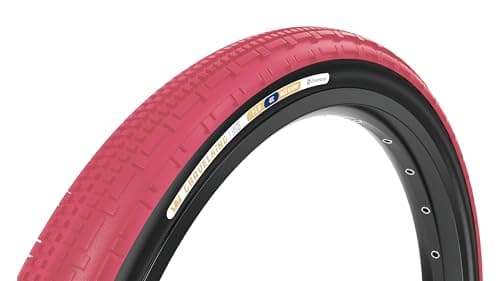
Tread vs rolling resistance vs puncture protection, the published sizes, and the lab data — including the tire whose listing won't tell you how wide it is.
 Best gravel pedal
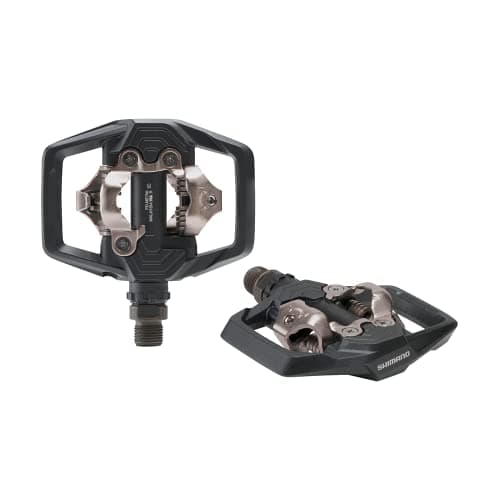
Published release angles, float and mud-shedding compared across SPD, Crankbrothers, Look and Time — plus the flat pedal option.
The two numbers that define a gravel bike.Maximum tire clearance (in mm, published by the frame manufacturer) and the lowest gear ratio (smallest chainring ÷ largest cog). Clearance under 38mm means you have a road bike. A lowest ratio above 1:1 means you’ll be walking the steep loose stuff.
Both are on the spec sheet before you spend anything. Neither requires a test ride, a lab, or anyone’s opinion — including ours.
The comparisons people actually search for, settled as far as they can honestly be settled.
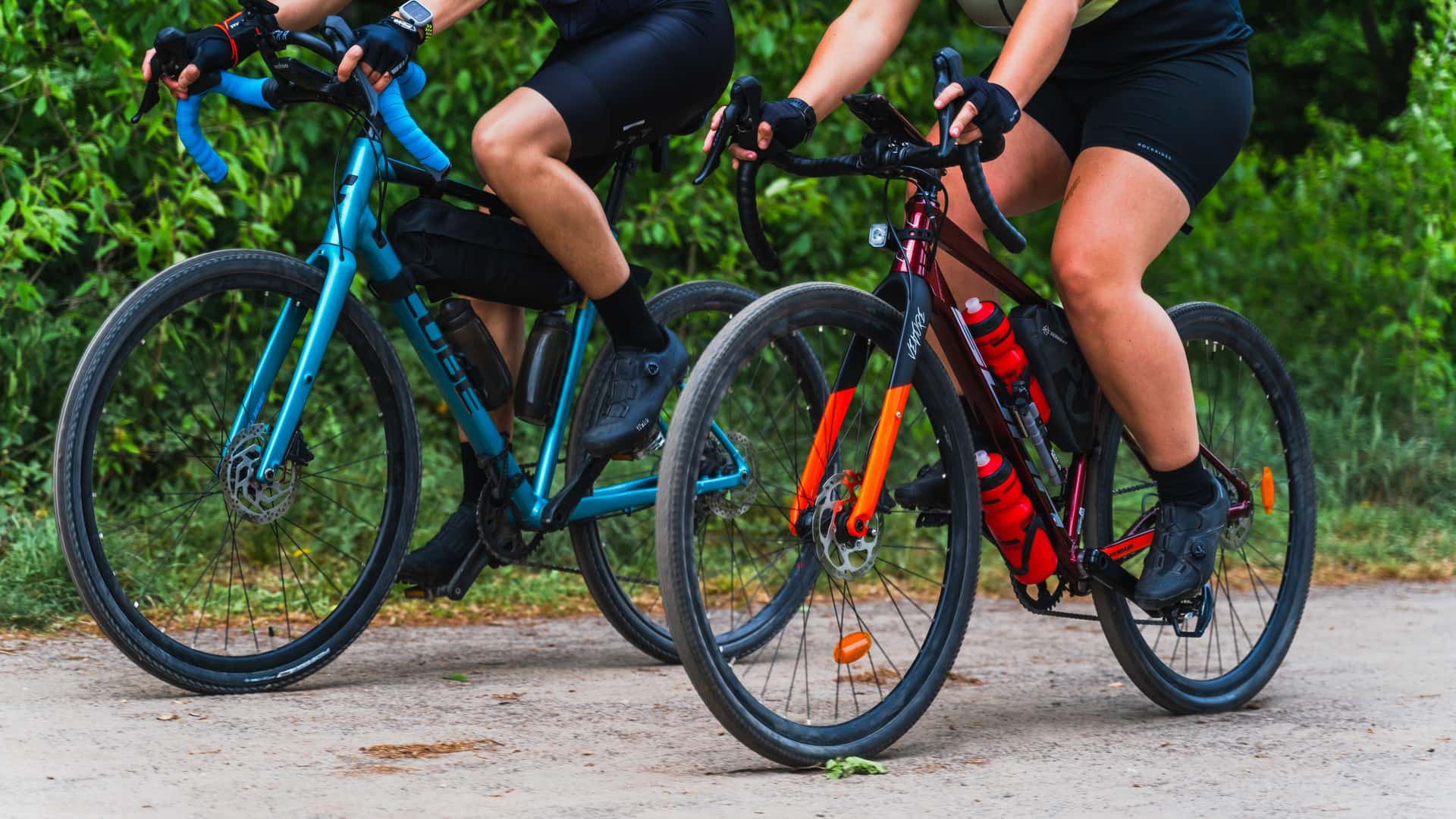
Clearance, gearing and gear range on one brand's own published specs — including why the road bike has the wider range.
Read the full guide →
The hybrid out-gears the gravel bike on published specs. What you actually pay for the drop bars, and who should still buy which.
Read the full guide →
The head angle, tire, gearing and suspension gaps that decide it — and why the honest answer is terrain-and-distance, not which bike is better.
Read the full guide →The mechanisms behind the choices, so the next decision is yours rather than ours.

The honest definition, the bit that's genuinely marketing, and why clearance is the only number that separates the category from a road bike.
Read the full guide →
Width, casing, tubeless and clearance — plus the labeled-vs-measured table that explains why you should buy 4mm of margin.
Read the full guide →
1x vs 2x, gear range, and the formula for your own lowest gear — plus why the 1x range claim doesn't survive division.
Read the full guide →
The whole tubeless job, honestly: why a floor pump often can't seat the bead, what actually does, and how much sealant a gravel tire really needs.
Read the full guide →
Why off-road pressure drops so far, the two failure modes that bracket the right number, and a by-feel method to find yours — no invented psi chart.
Read the full guide →
Why a gravel bike commutes well, the four changes worth making, and the honest drawback: it is a better bike to steal than a hybrid.
Read the full guide →Tire clearance and gear range, essentially. A drop-bar bike that takes 40mm+ tires and gears low enough for loose climbs is a gravel bike; one that doesn’t, isn’t, regardless of what the marketing says. The longer answer is here.
Wider than you think, and limited by your frame’s published clearance. Most riders on mixed surfaces are well served in the 40–45mm range. Casing and tread pattern matter as much as the number — the width guide covers it.
On hardpack and light gravel, yes, if it takes 32mm tires. The limit isn’t courage, it’s clearance and gearing — and the risk isn’t a crash, it’s walking the climbs. Gravel vs road, compared.
More so than anywhere else on a bike. Gravel is where thorns and pinch flats live, and sealant handles both without you stopping. It’s also more faff to set up and maintain — the honest trade-off.
1x is simpler and quieter; 2x gives you a wider range with tighter steps. The real question is whether your lowest gear is low enough for the steepest loose climb you actually ride — gearing explained.
We haven’t tested any of the products in this hub, and we don’t pretend otherwise. Read how we research — it explains what we do instead, and why we think it’s more useful than a score.