Best cycling helmet
The Best Cycling Helmets
Every US helmet meets the same 300 g federal standard, so price buys fit and weight — not safety. What each listing publishes, and what it hides.
What you wear
A helmet is a certified safety device and a bib short is a chamois with straps. Both are bought badly, for the same reason: nobody explains what's inside them.

Cycling kit is sold with adjectives and bought with hope. Two products here matter more than the rest — a helmet and a pair of bib shorts — and both are routinely bought badly, for the same reason: nobody explains what’s inside them.
Every bicycle helmet legally sold in the United States meets the same federal safety standard. The cheapest helmet in our roundup and the one costing four times as much have both passed CPSC 16 CFR 1203. There is no “safer” tier you unlock by spending more, and the industry is extremely comfortable letting you assume otherwise.
What money actually buys is fit, weight, ventilation, retention adjustment, and sometimes a rotational-impact system like MIPS. Those are real and worth paying for — particularly fit, since a helmet that doesn’t sit right isn’t protecting you whatever it cost. But the safety floor is the same, and you deserve to know that before you spend. The standards, explained.
A bib short is a chamois pad with straps attached, and the chamois is the entire product. More padding is not better — past a point it’s actively worse, because bulk creates pressure and friction where you least want either. Density, shape and how it sits against your anatomy decide comfort, and none of that is on a spec sheet.
Which means this is a category where our honesty policy costs us: we cannot tell you how a chamois feels, because we haven’t worn any of them and nobody’s experience transfers to yours anyway. What we can do is explain what the construction terms mean so the listings stop being noise: the chamois guide.
And if you ride upright — a commuter, a hybrid, most e-bikes, a trainer — the straps are solving a problem you do not have. The waist short is the rational buy there, and it is the one garment in this hub that prints its own key number: seven of the nine listings in the best cycling shorts publish an inseam in inches, which is why that page is ranked on it.
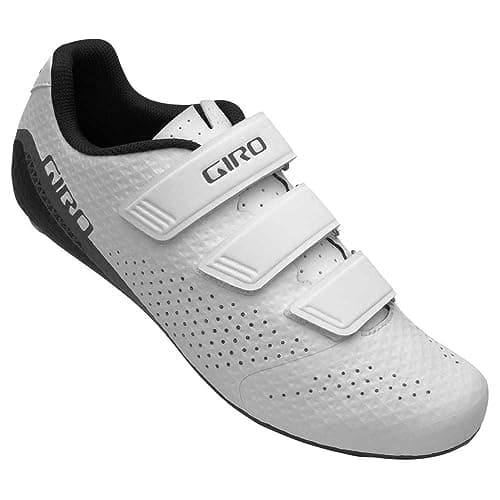
Shoes look like a comfort purchase and are actually a compatibility one. The number of bolts drilled into the sole decides which pedals you can ever use with them, it cannot be changed afterwards, and five of the six shoes we priced don’t publish it at all. Nor does anyone publish a sole stiffness figure, which is the number every rival roundup ranks on. So we rank on what you can check: the best cycling shoes, and two bolts or three if that decision is still open.
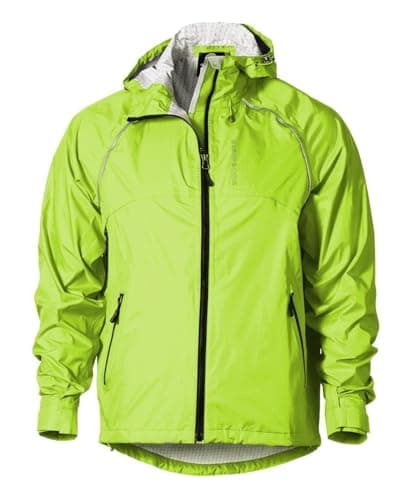
“Waterproof” is an adjective anyone may print on a jacket, and the people selling you a coated polyester windbreaker know it. What separates a rain jacket from a jacket sold as one is whether the maker publishes a rating— a water column in millimeters, a breathability figure, a seam treatment. Across the twelve jackets in the cycling jacket roundup, two brands of seven publish a millimeter figure at all.
The sharpest example is a brand nobody suspects. GORE publishes two tiers and tells you plainly which is which: GORE-TEX carries its guarantee, while GORE-TEX INFINIUM — since renamed WINDSTOPPER — is, in GORE’s own words, for when “waterproofness isn’t” the point. The winter GOREWEAR jackets every rival roundup recommends for rain are the INFINIUM ones. They are superb windproofs and they are not rain jackets, and one word in the name is how you tell.
Legs are the last thing most riders upgrade and the first thing that ruins a ride, and the category is the vaguest in this hub: none of the ten tights in the cycling tights roundup publishes a temperature range, and seven of the ten describe the pad as “4D padded”, which measures nothing. So that page ranks on construction instead — bib or waist, fleece-lined or insulated, a water claim or silence, and whether the chamois has a name — and three listings name the pad.
Layering. The most common mistake in cold-weather riding is dressing for the temperature at the start rather than for ten minutes in, and it costs nothing to fix. How to layer— and the wind chill table there is what tells you how much jacket you actually need, because the outer layer is the one doing the heavy lifting on a bike. The layer at the other end of the stack matters just as much and costs far less: the base layer roundup ranks seven of them on published fabric weight and fiber content, and names the four listings that publish neither.
Every page above is organised around cold. Rain is a different problem with a different failure mode, because the goal stops being dryness and becomes staying warm while damp — what to wear cycling in the rain works from the skin out, and turns the jacket roundup’s central finding into a buying rule: a published millimeter rating or a named membrane, or you are buying an adjective.
Heads up: we earn a commission if you buy through the links on this page, at no extra cost to you. It never decides what makes the list — here’s how that works.
Our picks, with the live price on the card. No need to click through unless you want the reasoning — and you should want the reasoning.
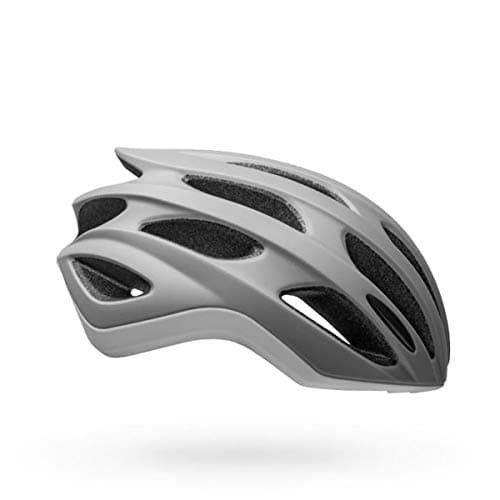
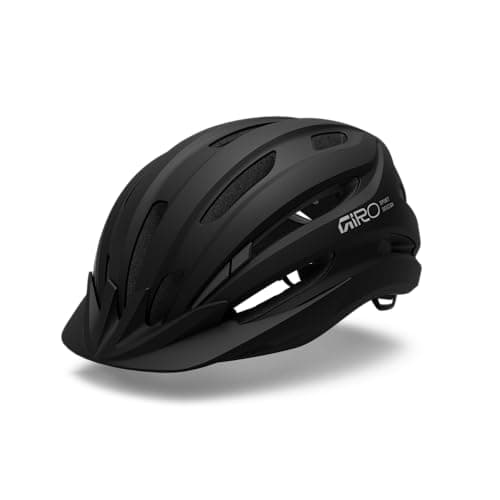
Best cycling helmetEvery US helmet meets the same 300 g federal standard, so price buys fit and weight — not safety. What each listing publishes, and what it hides.
 Best bib shorts
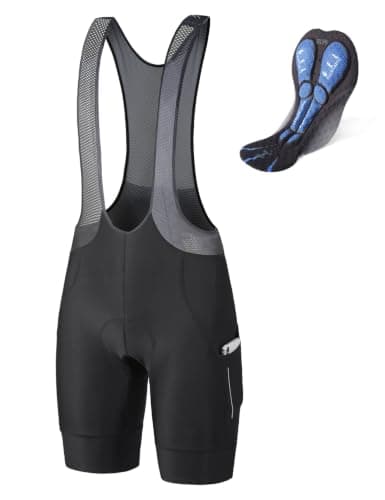
Three of these say '4D Padded' and none define it. The two dearest publish nothing about the chamois at all. What you can actually verify before buying.
 Best cycling shorts
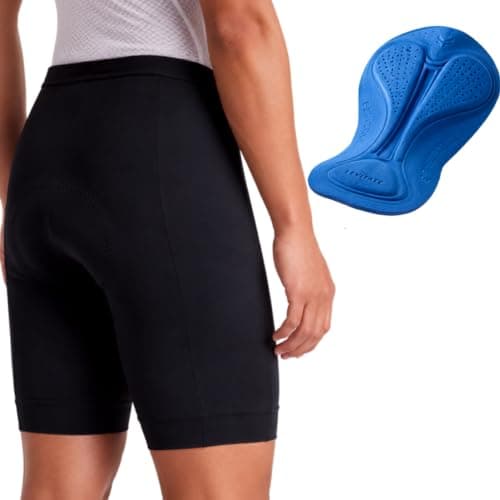
Waist shorts, baggies with liners and a liner you wear under anything, ranked on published inseam and whether the pad has a name. Seven of nine print the length; one prints a pad claim that fails its own arithmetic.
 Best cycling tights
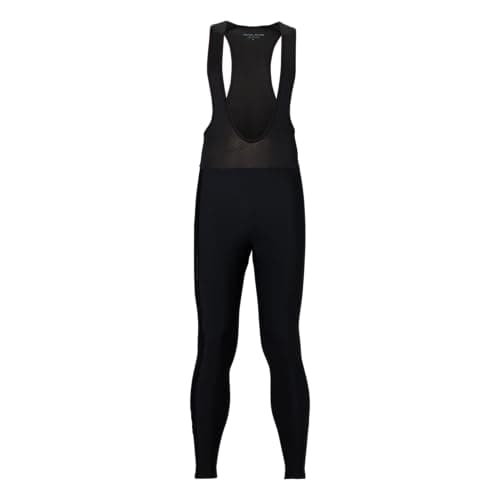
Ten winter tights sorted by what their listings publish: 3 of 10 name the chamois, 0 of 10 publish a temperature range, and your own speed is worth up to 11°F of wind chill.
 Best cycling shoe
The bolt pattern under the sole decides more than the shoe does. Six shoes ranked on which pedal system they lock you into, closure, sole material and published fit range.
 Best cycling jacket
Twelve jackets ranked on published weather protection: hydrostatic head, breathability, membrane classification and taped seams. Two brands publish a number, GORE publishes a classification that says two of these are not waterproof, and one listing claims windproof and waterproof at once with neither behind it.
 Best cycling sunglasses
Ranked on published light transmission, lens count and coverage — including which listings publish no lens data at all.
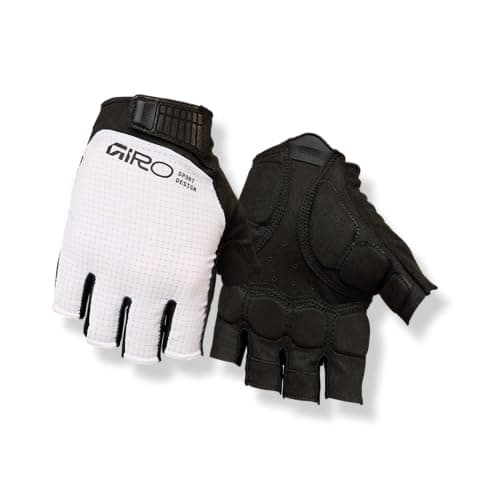
 Best cycling gloves
Mitts and full-finger gloves compared on format, closure and published padding — and why the most-padded glove is rarely the right one.
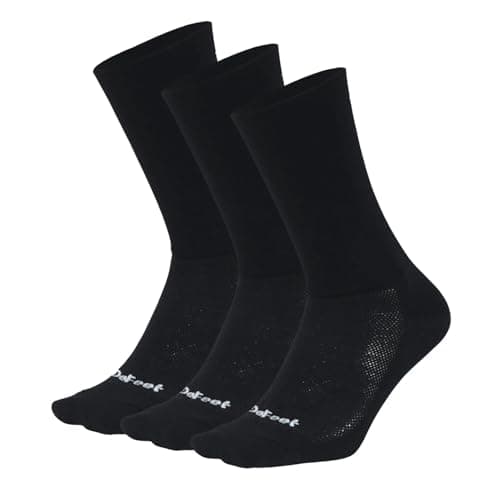
 Best cycling socks
Cuff height, knit and fiber compared across five socks — including which listings publish a height in inches and which publish nothing.
 Best cycling jersey
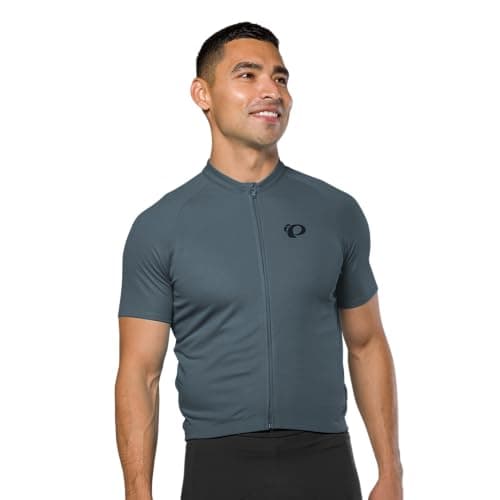
Zip length, pocket count, cut and UPF compared across five jerseys — plus what a UPF 50+ claim is actually worth.
 Best first purchase
A helmet, padded shorts, a jersey with pockets, gloves, sunglasses and good socks — in acquisition order, with the two things to delay named.
 Best base layer
Seven base layers from summer mesh to heavyweight merino, ranked on published fabric weight and fiber content — the two figures that predict warmth and drying speed.
Our top pick
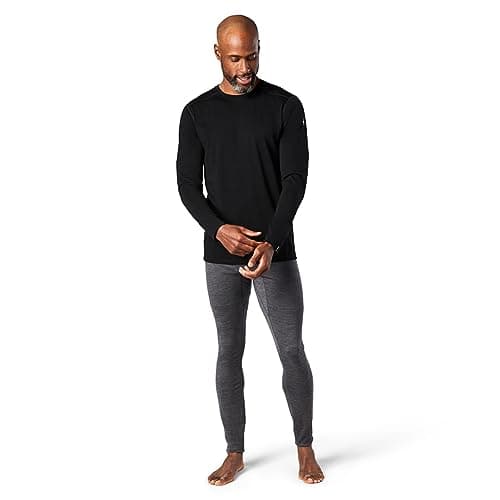
Smartwool Men's Classic All-Season Merino Base Layer Long Sleeve
The safety floor is flat.CPSC 16 CFR 1203 is mandatory for every bicycle helmet sold in the US. Cheap helmets pass it. Expensive helmets pass it. The certification is a floor, not a ladder — you are buying fit, weight, ventilation and rotational protection above it, not a higher chance of surviving.
The corollary matters more than any roundup: a well-fitted cheap helmet beats a badly-fitted expensive one, every time, and no amount of money substitutes for getting the retention system right.
The comparisons people actually search for, settled as far as they can honestly be settled.
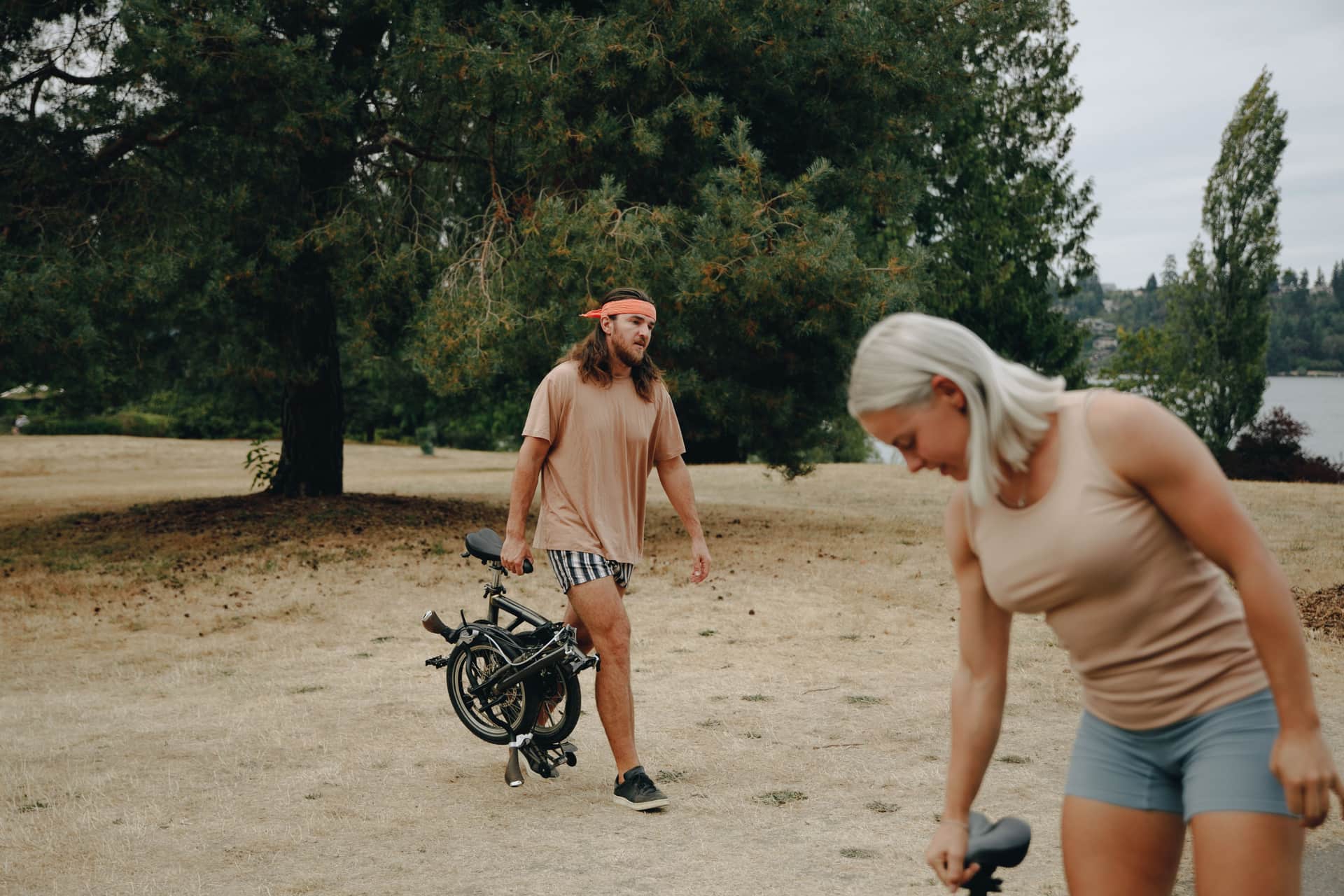
One difference — straps vs waistband — and every consequence follows from it. Who should buy which, and the honest case against bibs.
Read the full guide →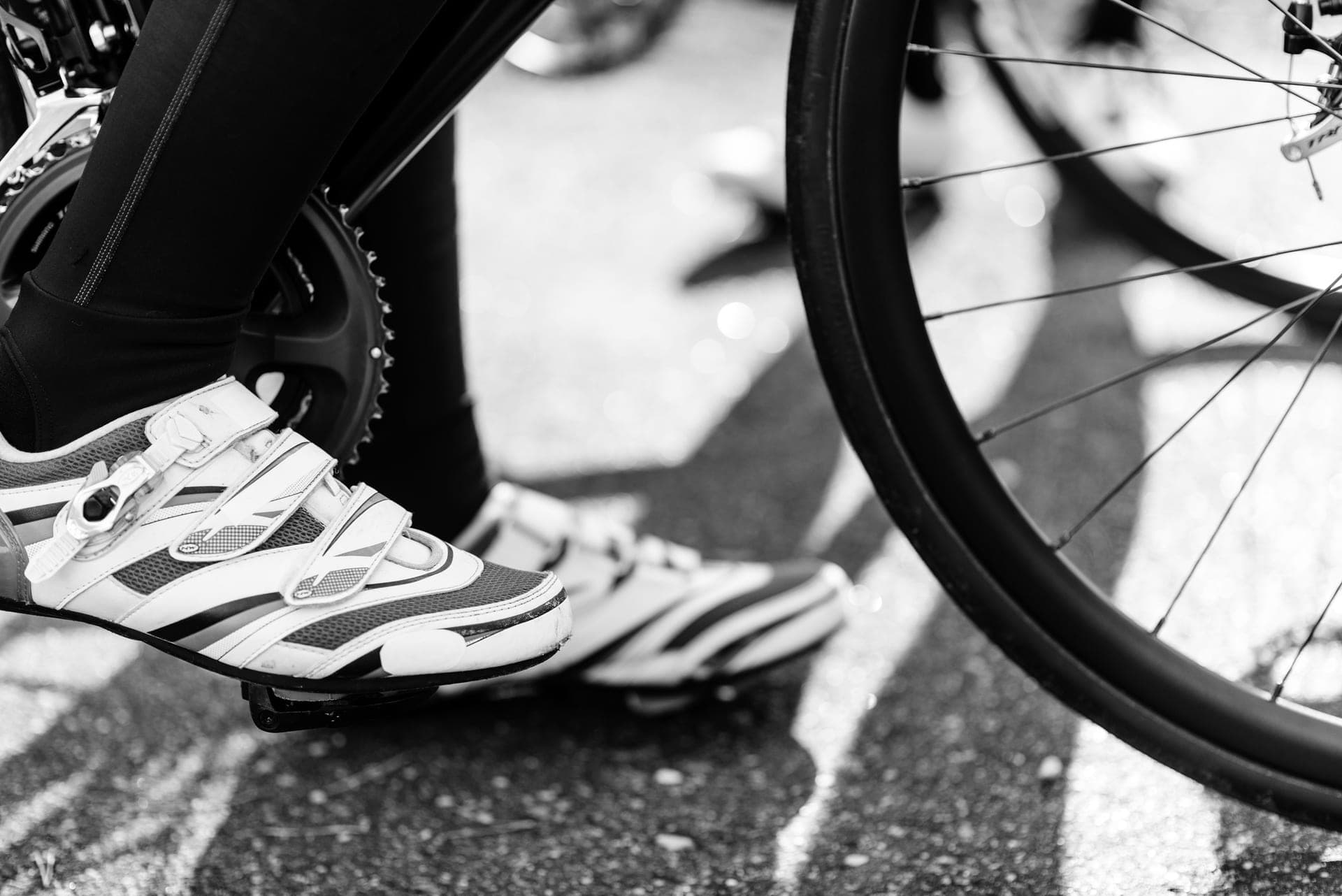
Two-bolt vs three-bolt cleats, recessed vs proud, and the stiffness trade-off. Float figures quoted from Shimano's own published specs.
Read the full guide →The mechanisms behind the choices, so the next decision is yours rather than ours.

Density is what stops you bottoming out, not thickness. The published 40-200 kg/m3 range, why more padding backfires, and why fit beats every spec.
Read the full guide →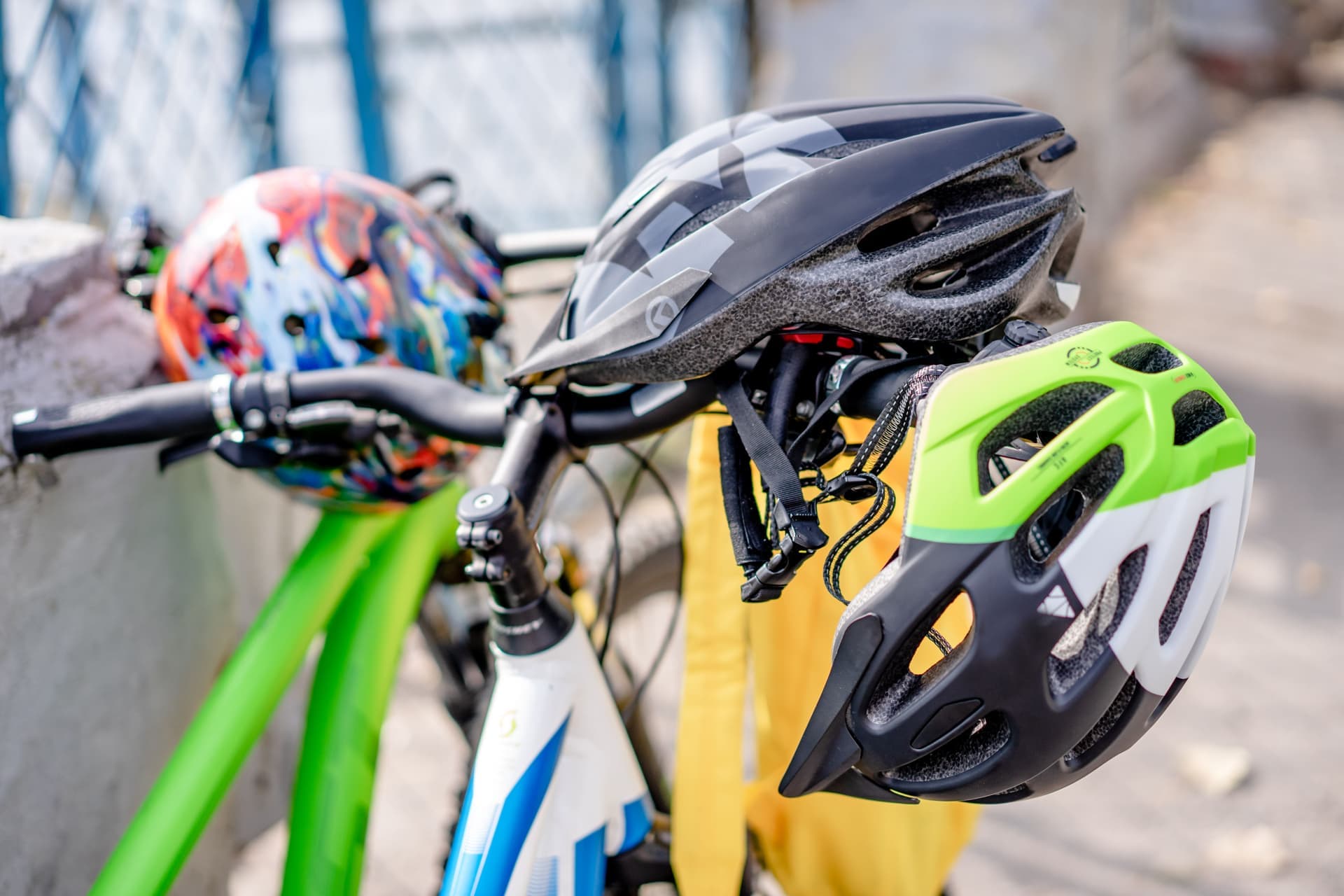
CPSC 1203, EN 1078, MIPS and the Virginia Tech ratings — what each actually measures, with the numbers taken from the regulations themselves.
Read the full guide →
Base, mid, shell — and why the most common mistake is being comfortable in the first mile. Wind chill computed from the NWS formula at riding speeds.
Read the full guide →
Size, level, straps, chin and shake — the five checks that decide whether your helmet is where it needs to be when you land. Fit beats price, every time.
Read the full guide →
The enemies aren't the dirt — they're fabric softener, high heat and bleach. A mechanism-first routine that keeps wicking, stretch and the chamois intact.
Read the full guide →
Padding removes only part of the pressure that numbs your hands. Why fit, where the pad sits, and your hand position beat buying the most padded pair.
Read the full guide →
Lens categories 0–4, what VLT means, and which tint to run for dawn, glare and tree cover — with the numbers the makers actually publish.
Read the full guide →
The rain outfit from the skin out, why cotton is the only true mistake, and the published hydrostatic head figure that separates a rain jacket from a windbreaker.
Read the full guide →No — not in terms of the certification. Every helmet legally sold in the US meets CPSC 16 CFR 1203, cheap ones included. You’re buying fit, weight, ventilation and possibly MIPS. The standards, explained.
It addresses rotational forces, which the basic certification test doesn’t assess — a real gap. It’s also cheap enough now that most mid-range helmets include it. Here’s what it does.
Bibs solve the waistband problem: no elastic digging in, no gap at the back, no pad shifting. The cost is that you undress entirely for a bathroom stop. Compared honestly— and if you ride upright, the waist-short roundup is the page you want.
No. Past a point extra bulk creates pressure and friction rather than relieving it. Fit and density beat thickness, and neither is on the spec sheet — the chamois guide.
Slightly cold at the start. If you’re comfortable in the driveway you’ll be sweating in ten minutes, and wet is how you get genuinely cold. Layering, explained.
We haven’t tested any of the products in this hub, and we don’t pretend otherwise. Read how we research — it explains what we do instead, and why we think it’s more useful than a score.