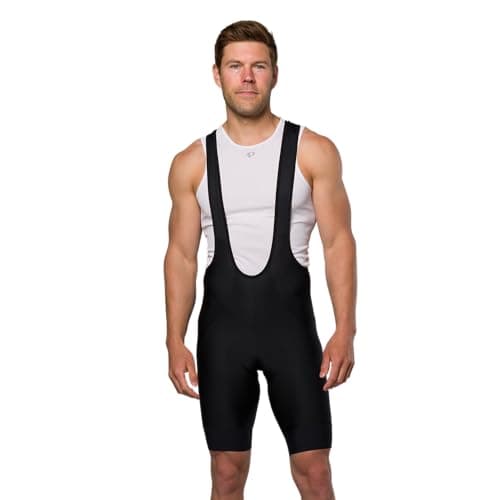
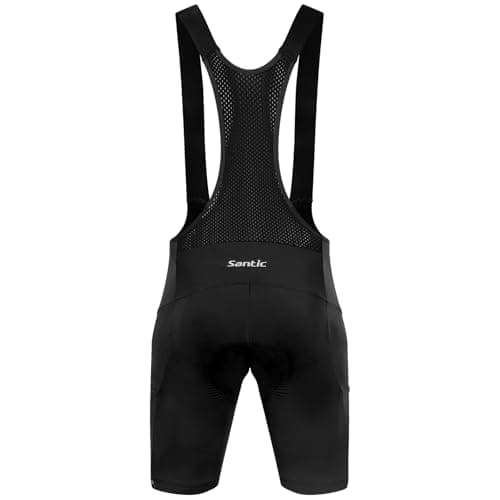
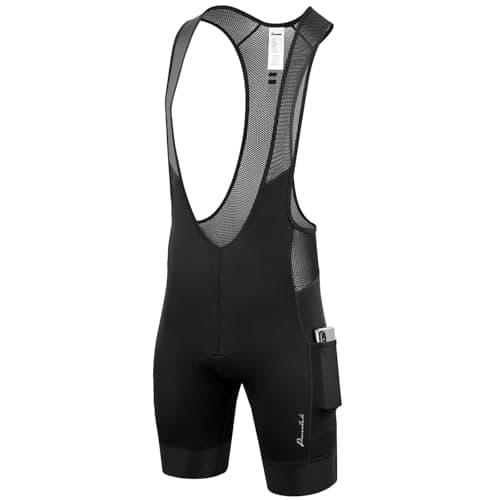
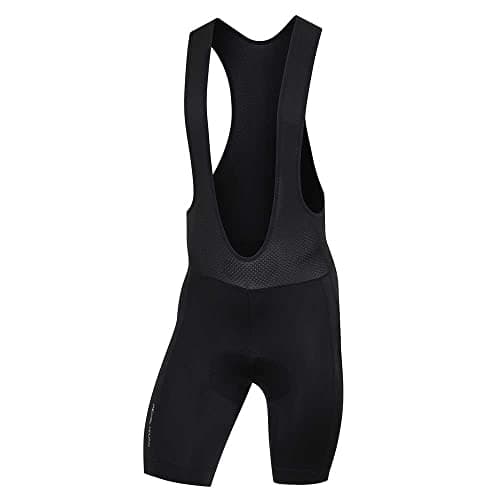
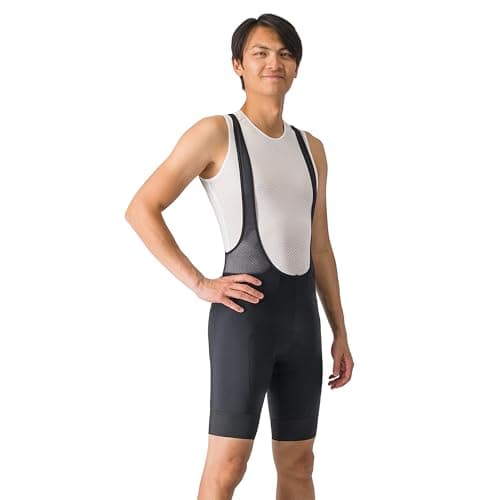
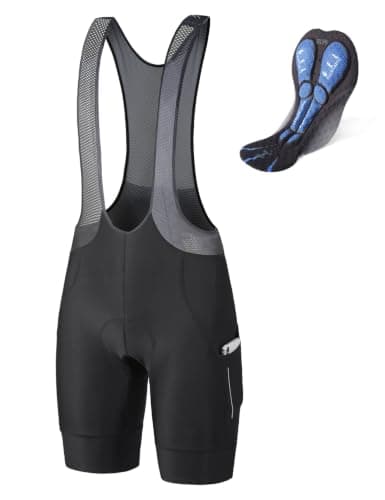
Let’s get the awkward part out of the way. A bib short is a chamois with straps attached, the chamois is the entire product, and whether a given chamois works is decided by the distance between your sit bones, the angle of your hips, how far forward you rotate, and how long you stay there. None of those are properties of the short. They are properties of you.
Which means nobody can review a chamois for you. Not us — we haven’t worn any of these and we’re not going to pretend otherwise. But also not the sites that do have test riders, because their test rider’s sit bones are not yours. When a review tells you a pad is “supportive without being bulky”, that is a true statement about one person’s anatomy being presented as a property of a garment. It is the most widespread category error in cycling kit writing and it is not fixable by testing harder.
So this page does the only useful thing left: it tells you exactly what each listing publishes, which is startlingly little, and it ranks on what you can verify before you hand over money.
“4D Padded” is not a specification
Three of these six listings say “4D Padded”. It appears on bibs at the bottom of the price range and it appears nowhere on the two most expensive ones. Here is what none of them do: say what the D measures.
There is no dimension count in a foam pad. There is no standards body publishing a chamois “D” scale that we could find, and not one of these listings defines the term or cites anything that does. A 4D pad is not demonstrably more anything than a 3D pad, because neither number is anchored to a quantity. It is a brand adjective with a digit in it, and the digit is there because digits look like evidence.
If someone publishes a definition, we will link it here and revise this section. Until then, treat “4D” the way you’d treat “turbo” on a kettle. We go through what a chamois is genuinely made of — density, thickness, zoning, and why more padding is the wrong instinct — in the chamois pad guide.
The premium bibs publish less than the cheap ones
This is the finding that surprised us, and it is right there in the table below. The two most expensive bibs on this page cost roughly three times the cheapest. One of them publishes an inseam and reflective fabric — genuinely useful, and the best-documented listing here. The other publishes a color and a size.
Meanwhile the cheap bibs publish a pad adjective, a color and a size — and one of them has quietly published less since we first read it, with the UPF50+ and pocket claims dropped out of its title between our July and August checks. That is not us arguing cheap bibs are better. It is us pointing out that the price difference in this category is not accompanied by any published difference at all, which means you are buying construction quality, fabric quality and pad quality entirely on trust. Sometimes that trust is well placed. You just deserve to know you’re extending it.
What actually varies, and why you can’t read it off a listing
Real differences between a cheap bib and an expensive one do exist. Chamois foam density and how it’s zoned across the pad. Whether the pad is stitched flat or contoured. Panel count and whether the seams sit where your body folds. Leg gripper design — silicone dots versus a wide elastic band versus raw-edge laser cut. Strap width and whether they dig at the shoulder. Fabric compression and how it holds the pad against you instead of letting it shift.
Every one of those is a genuine engineering variable. Not one of them appears on a single listing on this page. That is the actual state of this category: the things that matter are undocumented, and the things that are documented — 4D, gel, comfort-fit — are adjectives wearing a lab coat.
And if you’re still deciding whether you want bibs at all rather than regular padded shorts, start with bib shorts vs shorts — that decision is more consequential than which of these six you pick.
Buy cheap first, and treat it as an experiment. The only question that matters is whether a chamois suits your body, and you cannot answer it by reading — not this page, not any page. The cheapest bib here answers it for a small sum, and the answer is durable: once you know that a pad of roughly this shape works for you, every future purchase is informed. Spending big first is paying a premium to run the same experiment.
Nothing goes under bib shorts. No underwear. This is the most common mistake new riders make and it defeats the entire garment: the chamois is designed to sit directly against skin, and a seam between you and the pad is a hotspot with a countdown on it. If that sounds unappealing, that is a real reason to think harder about whether bibs are for you before you spend.
Inseam is the one fit spec worth hunting for.One listing here publishes it. Leg length determines where the hem and gripper land, and a gripper in the wrong place either rides up or digs in for the whole ride. If a bib publishes an inseam, that is a seller giving you something real; most of them don’t bother. Waist shorts, oddly, do: seven of the nine in our cycling shorts roundup print one, which is why that page can be ranked on it and this one cannot.
Ignore the D count entirely. 4D, 3D, gel — none of it is anchored to a measurable quantity and none of these listings defines any of it. Compare on the things that have units: inches of inseam, UPF ratings, whether pockets exist. Everything else on these listings is prose.
Comfort problems are often the saddle, not the shorts.Riders buy expensive bibs to fix pain that is caused by a saddle that doesn’t match their sit bones, and then buy a third pair when it doesn’t work. The pad and the saddle are one system. If you’re hurting, read how to choose a bike saddle before you buy another chamois — it is more likely to be the problem and it is cheaper to be right about.
And buy the top half at the same time if you are starting from nothing.Bib straps sit under a jersey, and a jersey is where your pockets, your zip and your sun protection come from — our cycling jersey roundup compares them on the four specifications the listings actually publish.