Best bike chain
The Best Bike Chains
Your speed count picks your chain before you do. Six chains compared on published weights, link counts and what the makers won't tell you.
Drivetrain
Groupset tiers are a pricing ladder with engineering attached. Here's what each rung actually buys you, and where the ladder stops being worth climbing.
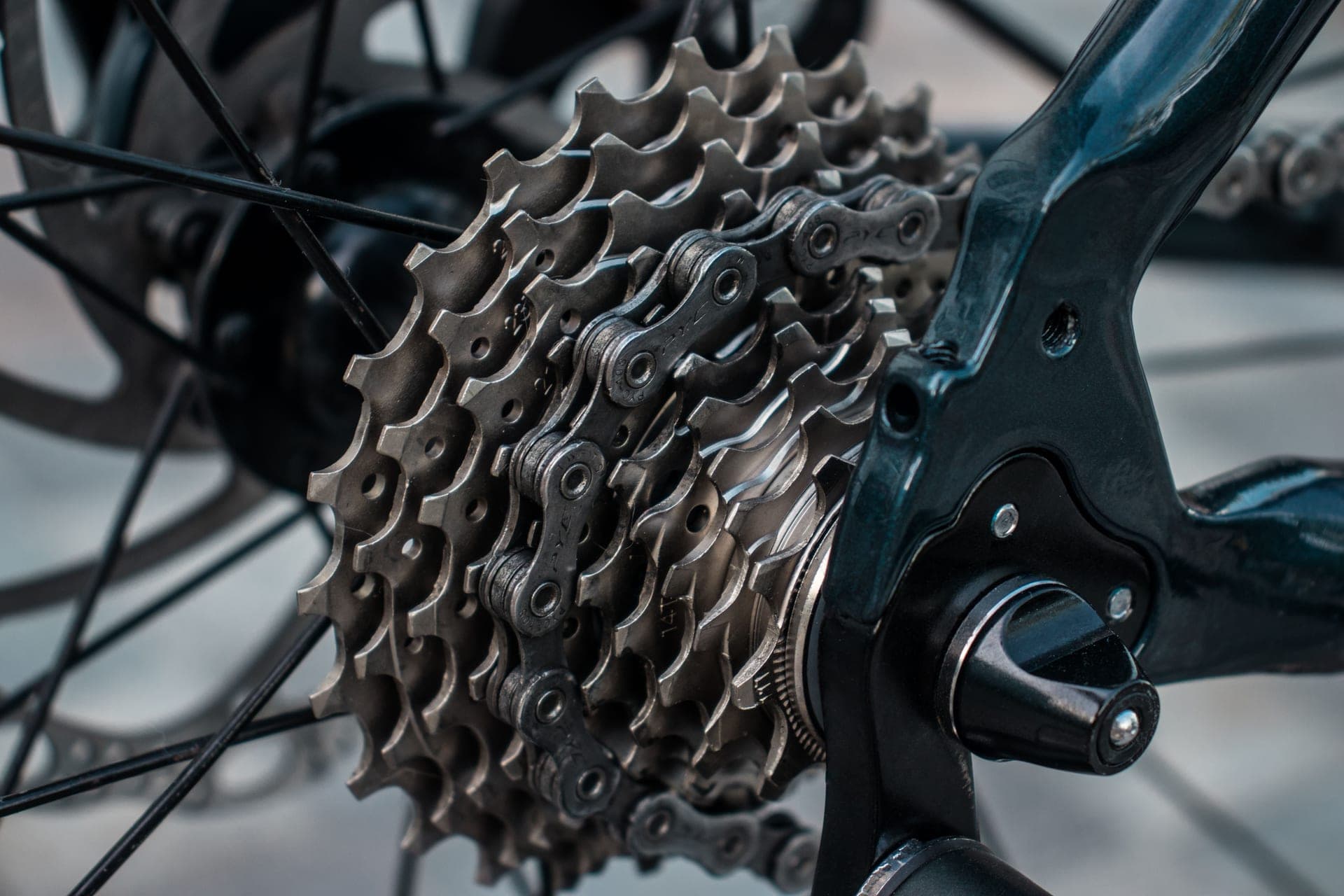
A groupset hierarchy is a pricing ladder with engineering attached, and the engineering gets less interesting the higher you climb. The first two rungs buy you genuine improvements: better shifting, better ergonomics, more gears. The top rungs mostly buy you weight reduction — measured in grams, priced in hundreds — and the right to say the name.
That’s not cynicism. Shimano and SRAM both publish their specs, and if you read them side by side the pattern is obvious: the mechanical function is often near-identical between adjacent tiers, and the difference is materials. Steel becomes aluminum becomes carbon; the shifting logic stays the same. Knowing where that curve flattens is worth more than any review.
Most component decisions aren’t decisions at all — they’re constraints. Your chain must match your drivetrain’s speed count. Your cassette must match your freehub. Your derailleur has a published maximum cog size. Get any of those wrong and the part is not “a bit worse”, it simply doesn’t work.
This is good news, because it means the brand argument you were about to have with the internet is mostly irrelevant. Find the parts that fit; then choose among them. Start with the groupset hierarchy, which is the pillar page for everything else here.
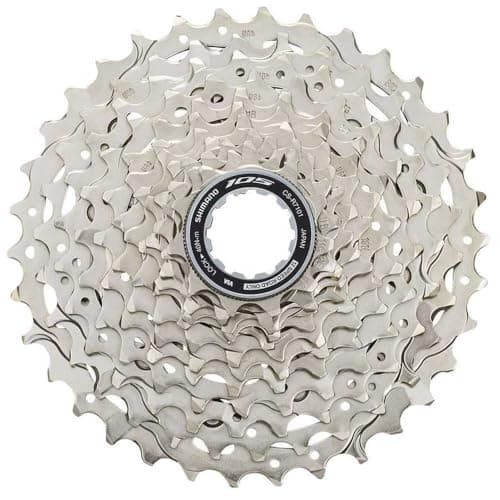
A cassette is where all three constraints meet at once — speed count, freehub spline and the derailleur’s published maximum sprocket — which is why the road cassette roundup is sorted by drivetrain rather than ranked, with every tooth sequence as Shimano and SRAM publish it.
The same applies to the gravel-versus-road groupset question, which is usually settled with adjectives and should be settled with division: on Shimano’s own published tooth counts, every GRX configuration has a lowest gear under 1:1 and exactly one 105 configuration does — GRX vs 105, computed.
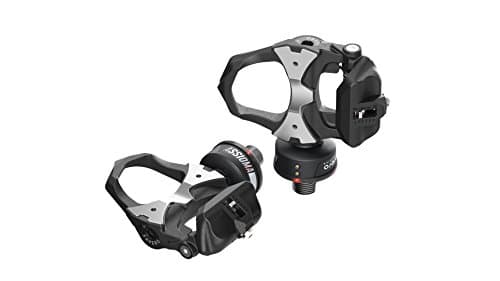
Power meters get the same treatment, and most buyers there are choosing between two specific products rather than five — so Favero Assioma against Garmin Rally takes that decision on its own. All four meters we list publish the identical ±1% accuracy claim, so what actually separates them is the cleat standard, the sensor count and the battery format.
The single most cost-effective drivetrain decision isn’t which chain you buy — it’s replacing it before it eats your cassette. A chain is cheap. A cassette is not. A chain left past 0.75% wear takes the cassette with it, and then you’re buying both. That’s a measurable, published threshold and a tool that costs less than a takeaway: when to replace a bike chain.
Heads up: we earn a commission if you buy through the links on this page, at no extra cost to you. It never decides what makes the list — here’s how that works.
Our picks, with the live price on the card. No need to click through unless you want the reasoning — and you should want the reasoning.
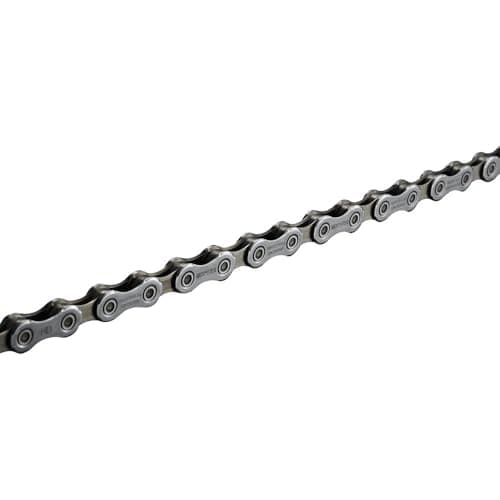
Best bike chainYour speed count picks your chain before you do. Six chains compared on published weights, link counts and what the makers won't tell you.
 Best power meter
Pedals, crank arms and cranksets compared on published accuracy, battery hours and the specification the category buries: whether it measures one leg or two.
 Best road cassette
Shimano 105, Ultegra and SRAM cassettes sorted by speed count, freehub spline and the derailleur's published maximum sprocket — with every tooth sequence and weight as the makers publish them.
The tier curve, in one line.Moving up one groupset tier typically buys real shifting and ergonomic improvement. Moving up two more buys grams. The published specs from Shimano and SRAM show it plainly once you line them up — which is exactly what the pillar page does.
The corollary: the cheapest genuine performance upgrade on almost any bike is a clean, unworn chain and a fresh cable. Neither has a brand argument attached.
The chain does have a brand argument attached, though it is not the one people expect. KMC versus Shimano chainsfinds both KMC listings naming their rivals’ drivetrains in published text and neither Shimano listing naming anyone — and finds the published link counts spanning 114 to 126, which decides whether the chain reaches around your cassette before any brand preference gets a say.
The comparisons people actually search for, settled as far as they can honestly be settled.
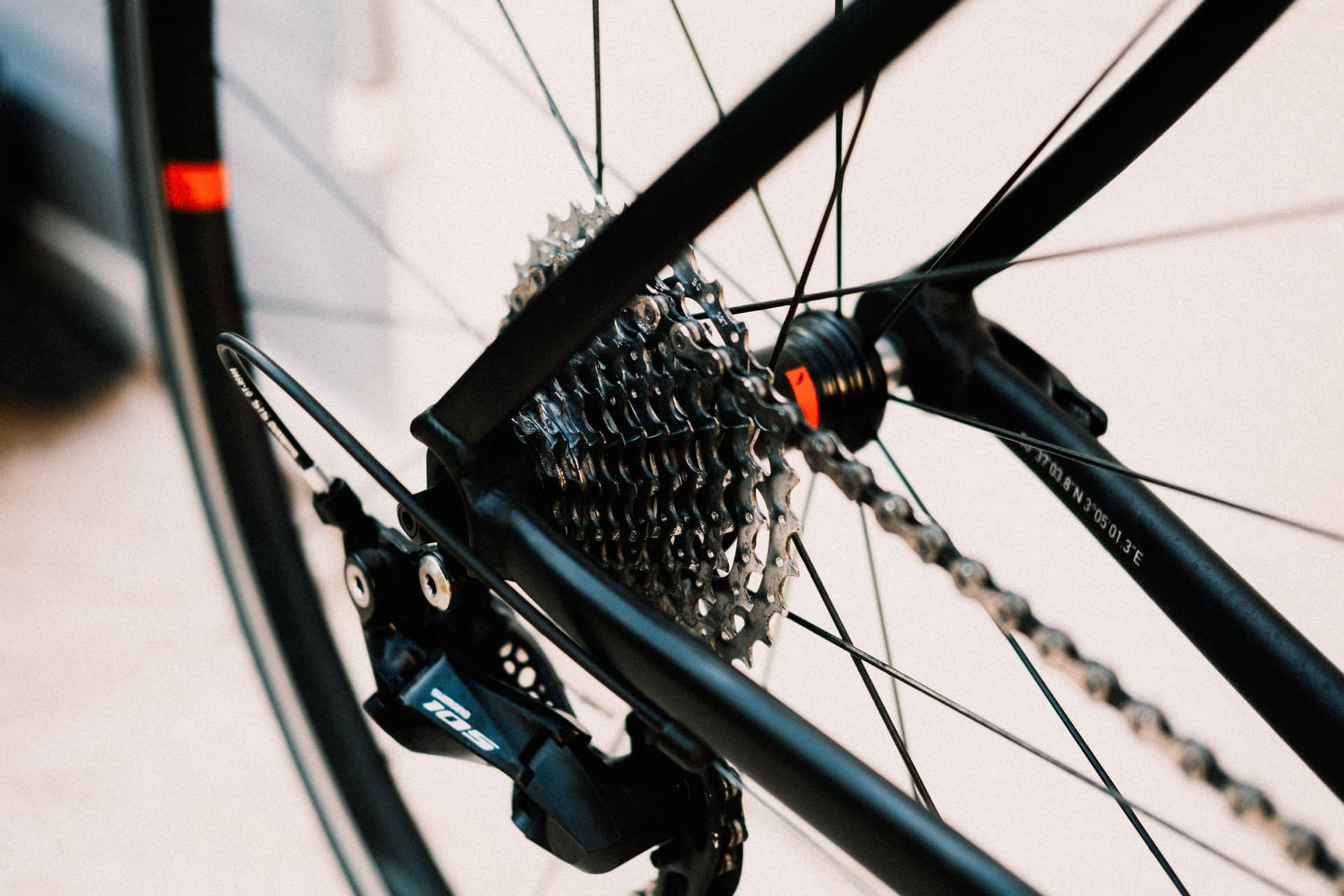
The 105-to-Ultegra step in Shimano's own published grams: 40 g on the derailleur, 16 g on the cassette, 0 g on the chain.
Read the full guide →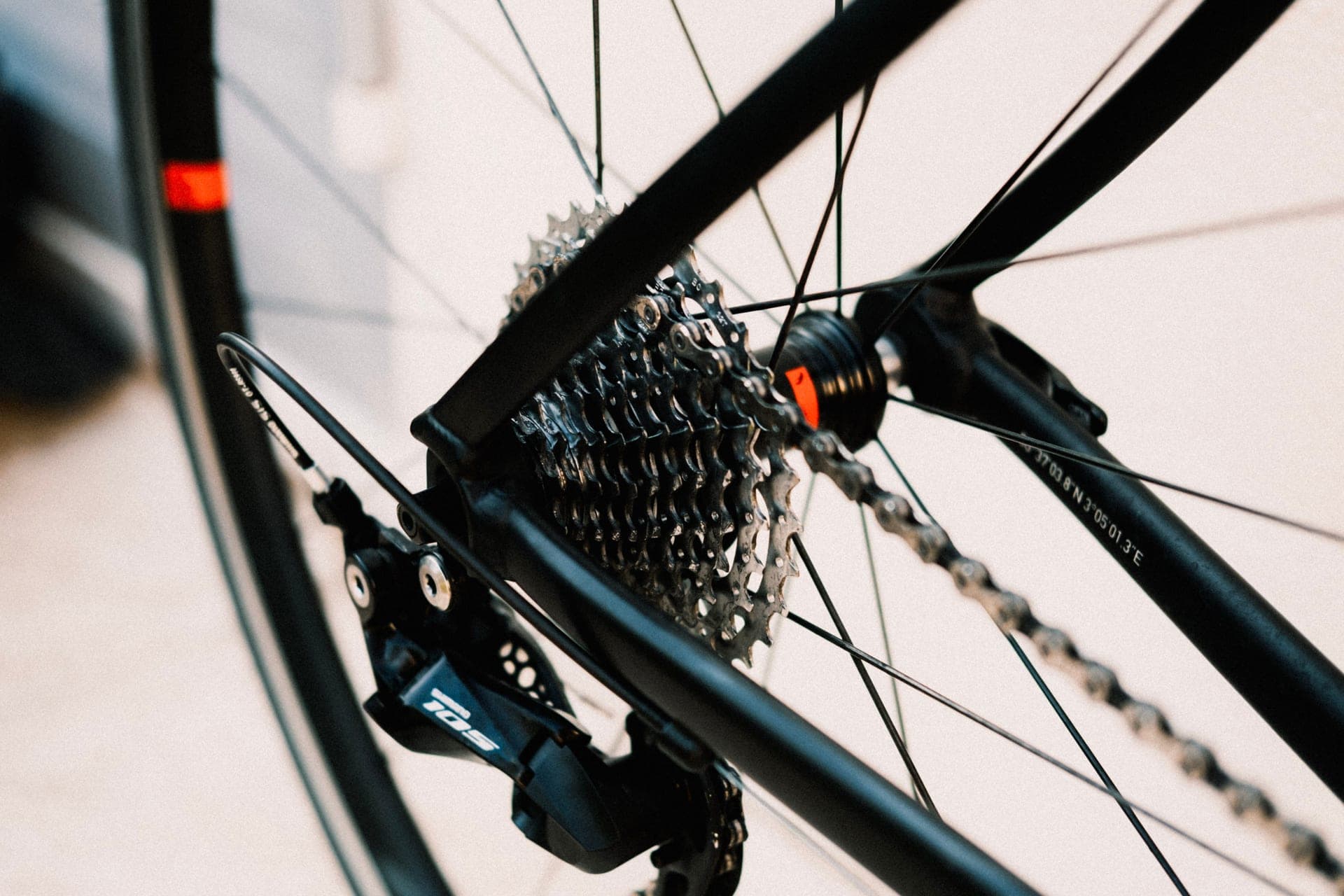
GRX RX820 against 105 R7100 on Shimano's published tooth counts, clutch naming and the 2.5mm outboard front derailleur — with the lowest gear worked out for every configuration.
Read the full guide →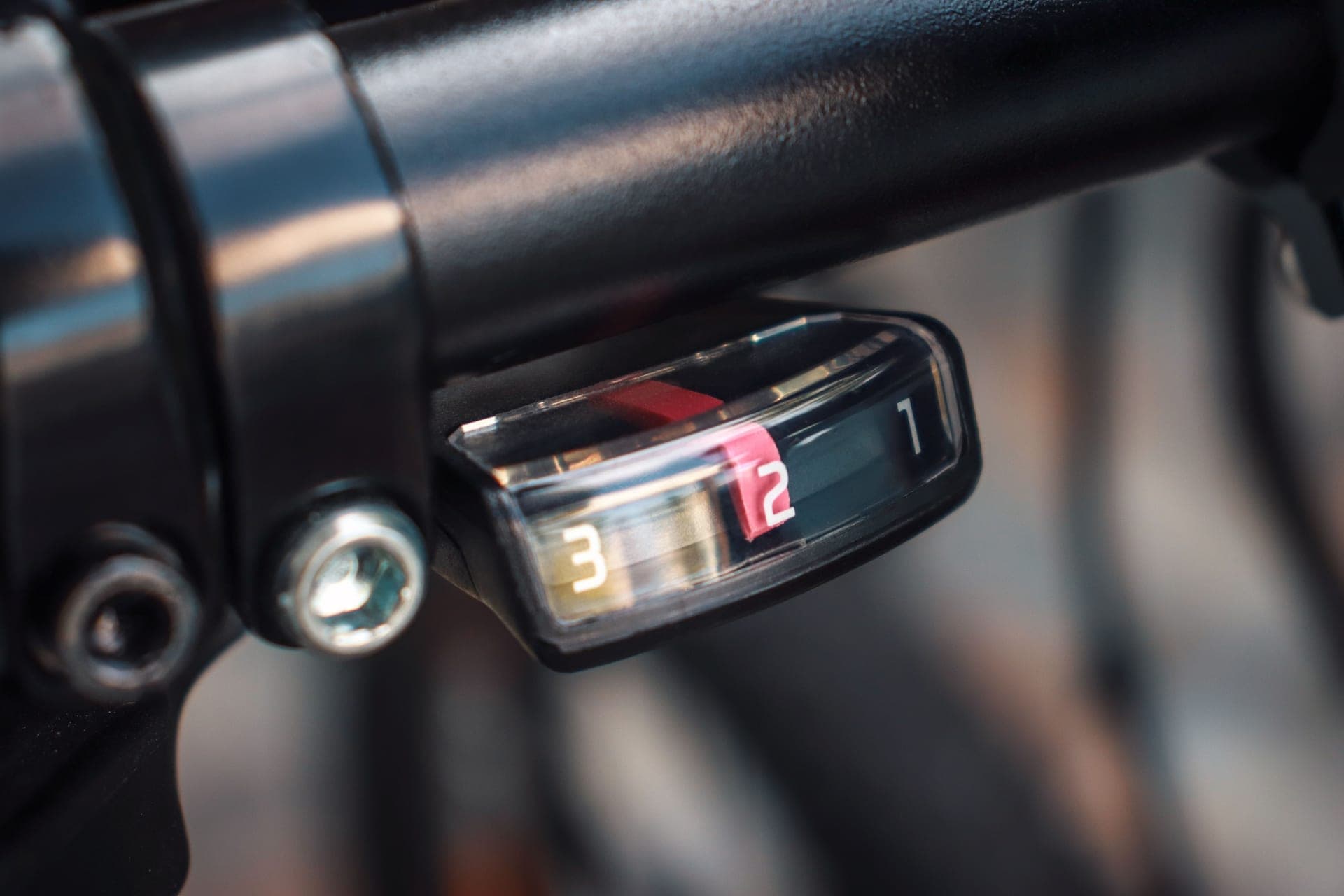
217 g between Rival AXS and Force AXS on SRAM's own like-for-like published figures — plus the braking claim SRAM makes identically for both.
Read the full guide →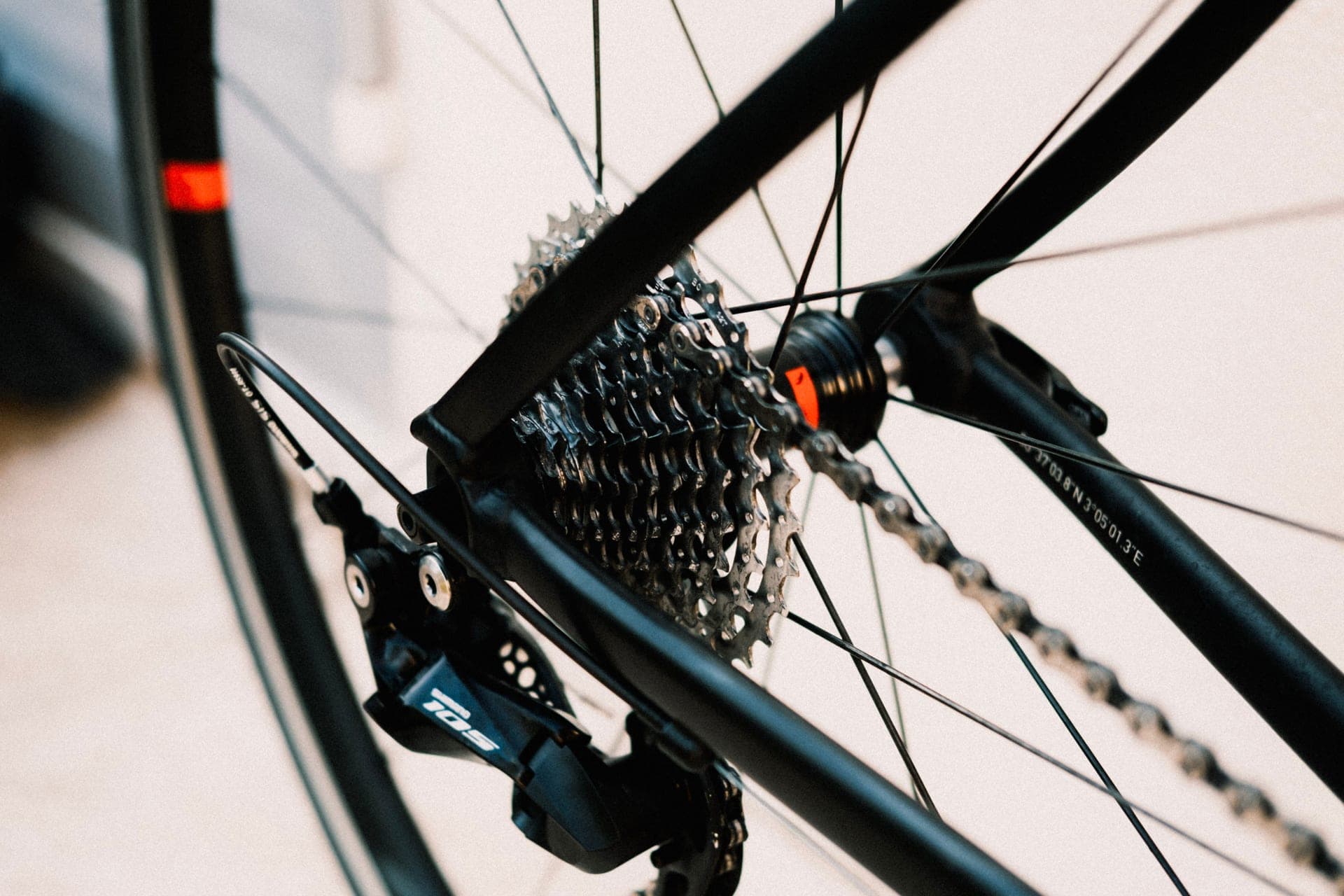
Two shifting philosophies and one lock-in: buy a brand's levers and derailleurs and its cable-pull ratio ties you to its shifters. Neither is better.
Read the full guide →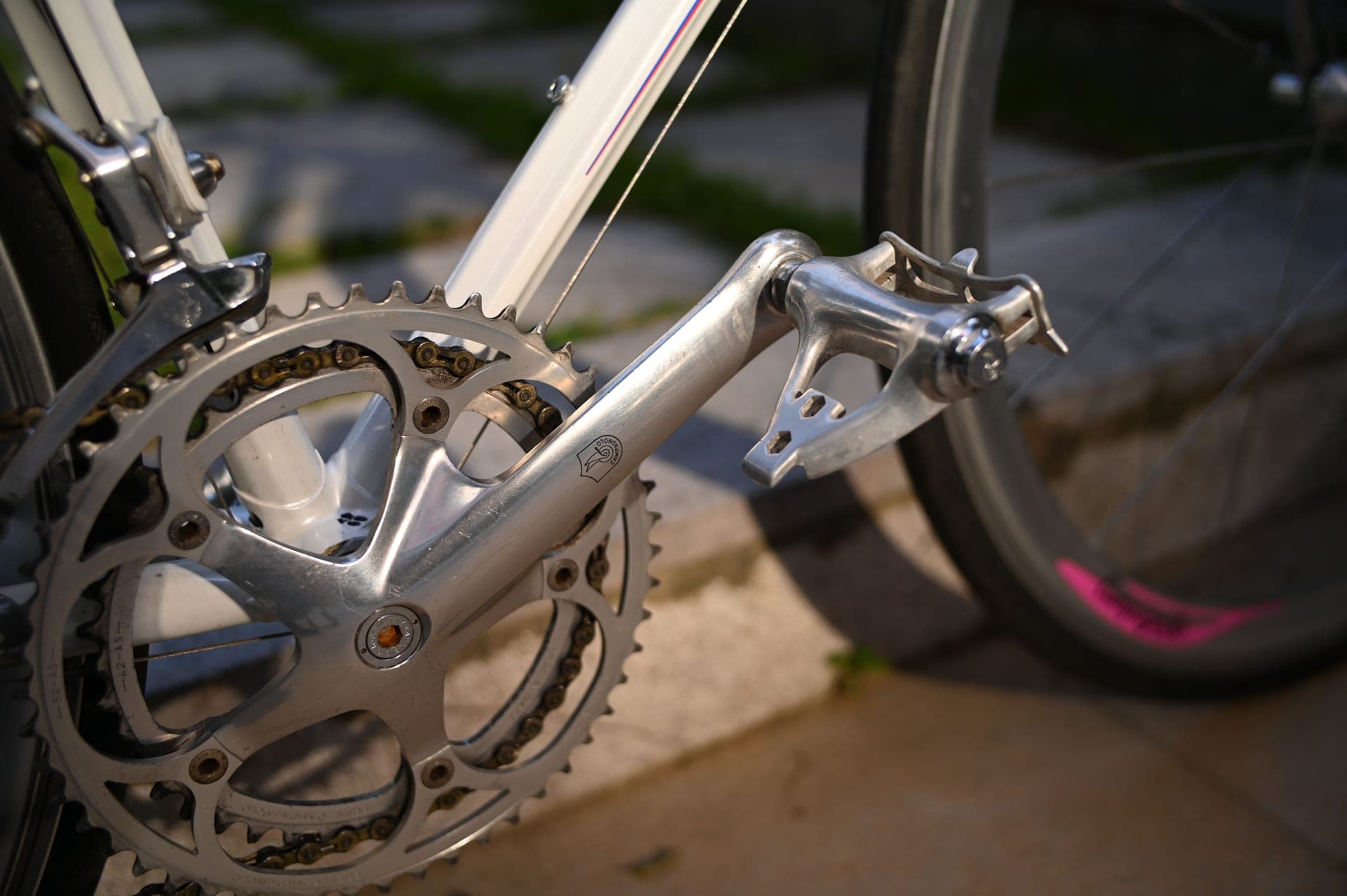
Why a 2x gets both wide range and tight steps while a 1x must trade one for the other — and why 1x still wins on gravel and MTB where the chain has to stay on.
Read the full guide →
What electronic actually buys you — no cable-tension drift, app tuning, multi-shift — and what it costs, versus mechanical, which stays cheap and roadside-fixable.
Read the full guide →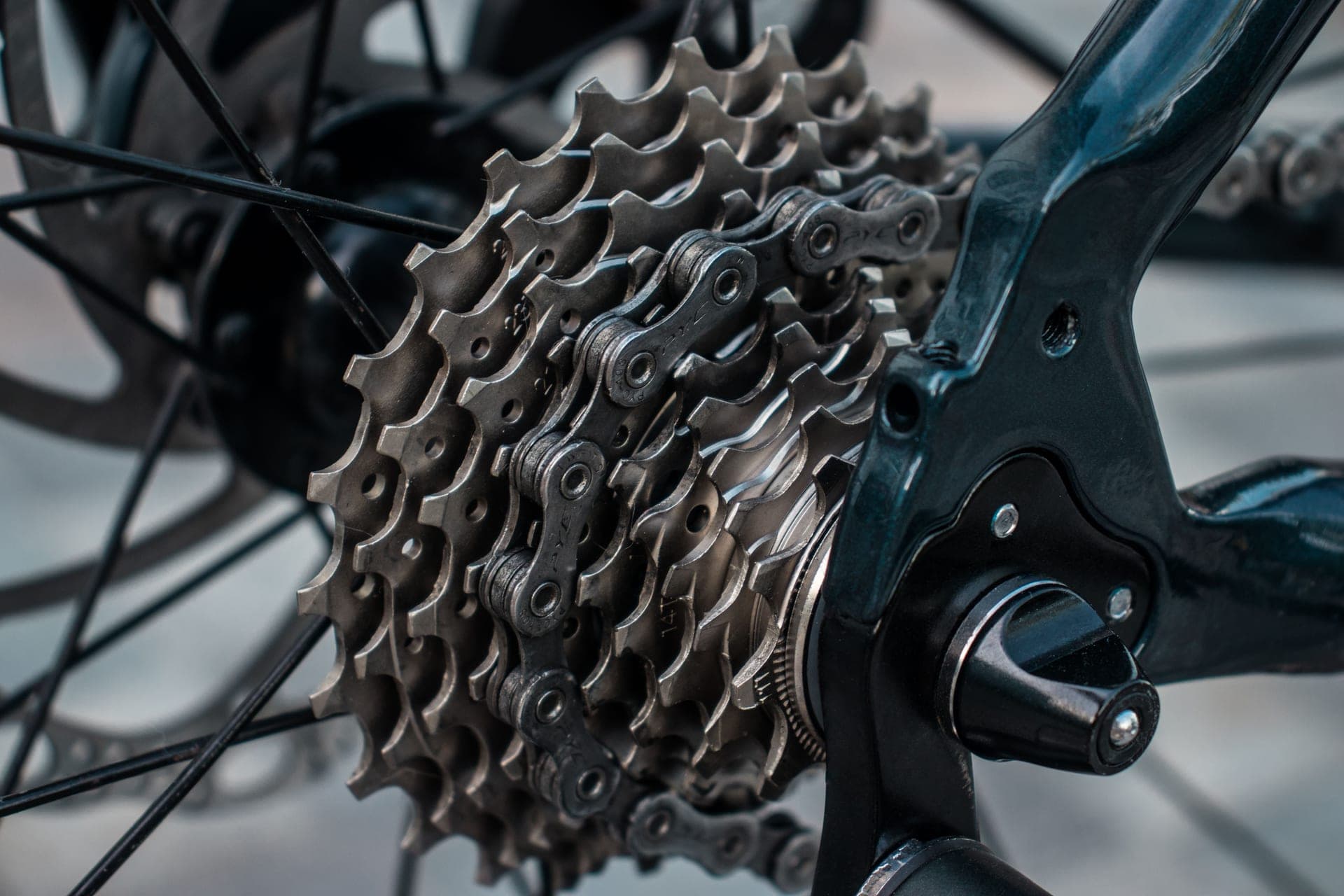
The twelfth cog buys range or tighter steps, not both — and what it really costs you is chain width and freehub compatibility. The skeptic's read.
Read the full guide →
Assioma publishes 151.5 g and 50+ hours; Rally publishes 90 hours and its cleat standard. All four meters here claim ±1% and none publishes a validation study.
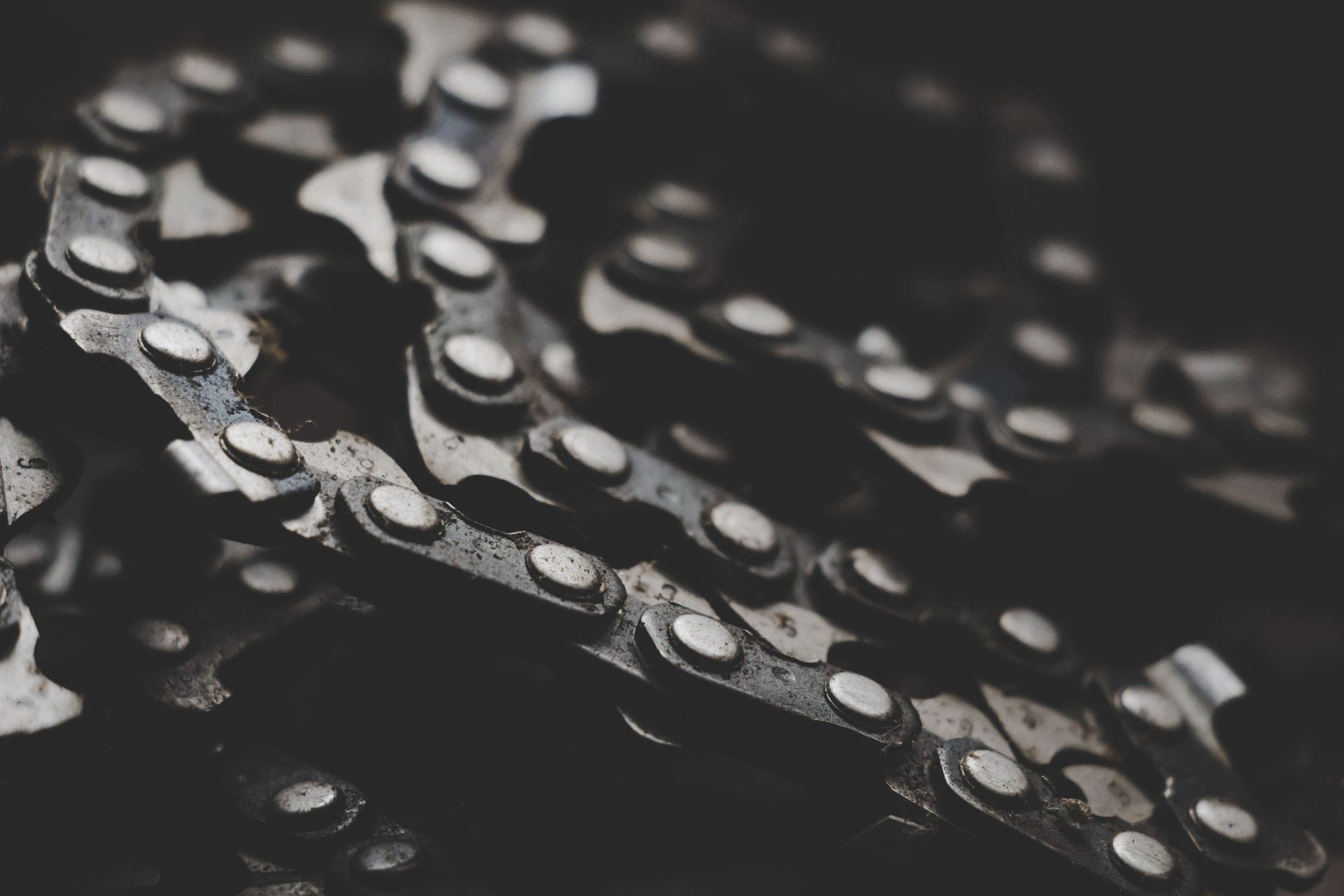
Five chains across both brands on published link count, speed count, quick link and plate treatment — and why only one of the two brands names its rival's drivetrain.
The mechanisms behind the choices, so the next decision is yours rather than ours.
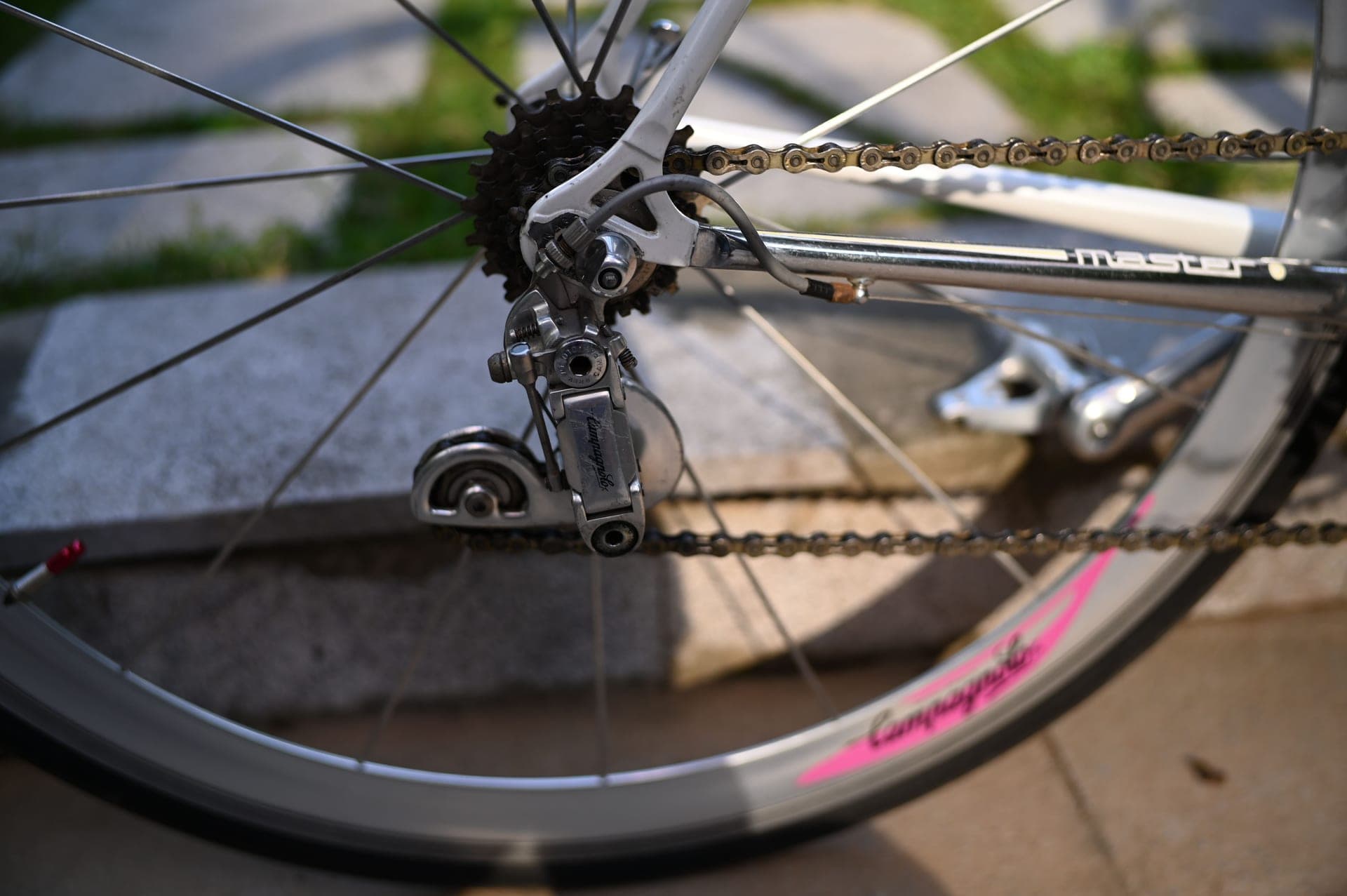
The Shimano and SRAM tier ladders, priced in published grams. What you get climbing from 105 to Ultegra, and why Shimano prints no weight at all below 105.
Read the full guide →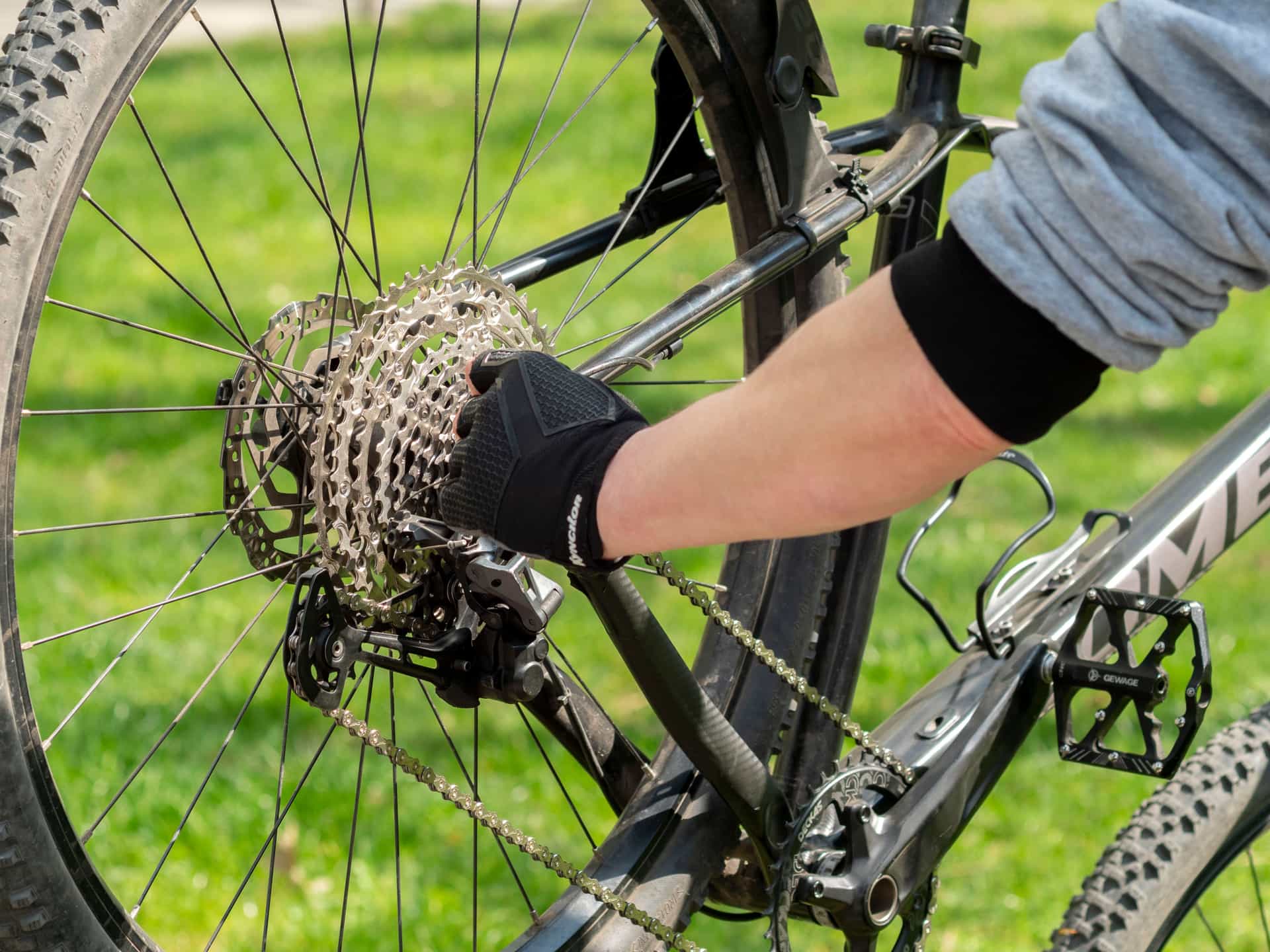
Limit screws, chain length, cable tension, B-tension — in Shimano's published order, with its own torque figures and the 3rd-sprocket test.
Read the full guide →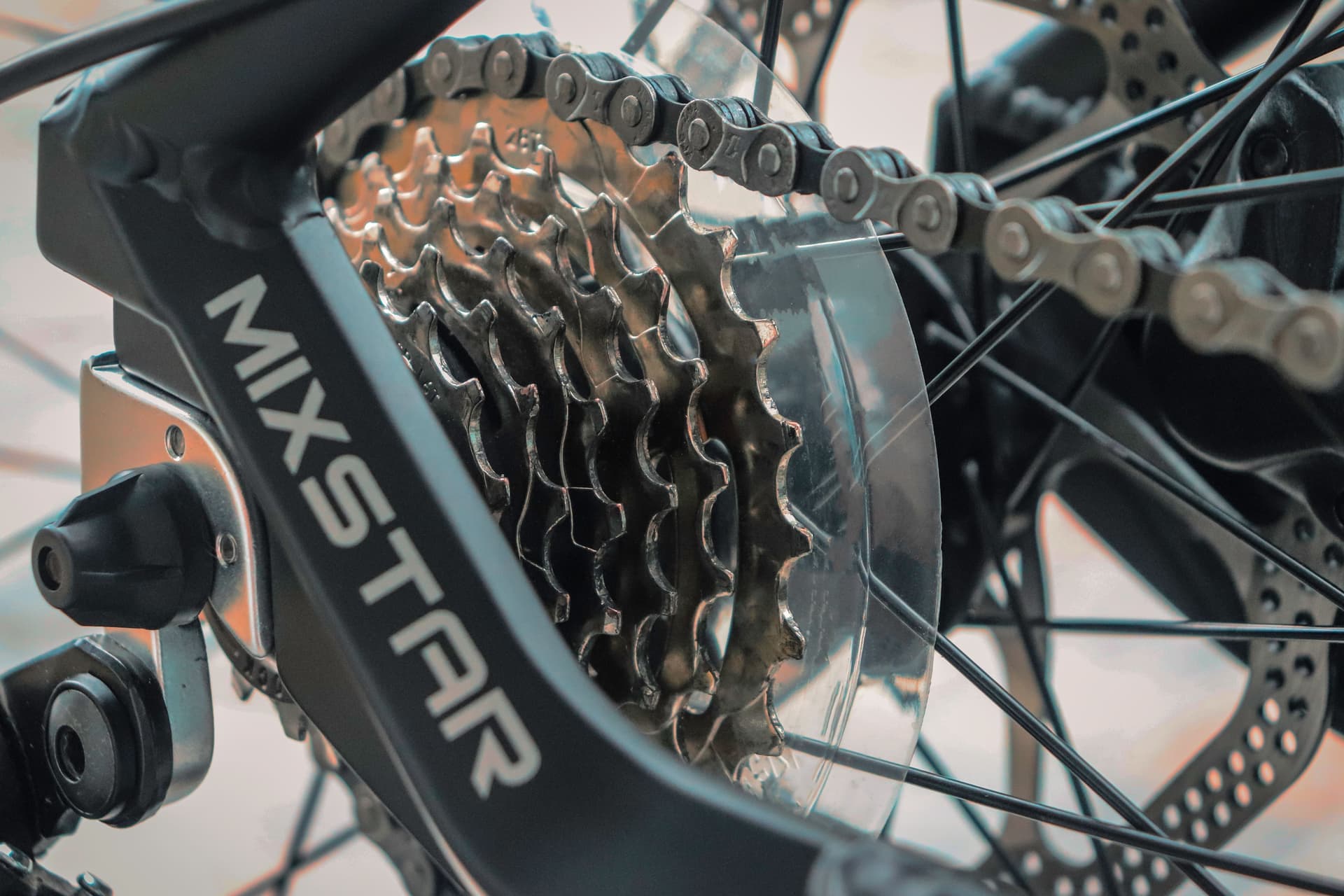
Ratios and range computed from published tooth counts, and the capacity sum that decides whether a cassette fits your derailleur at all.
Read the full guide →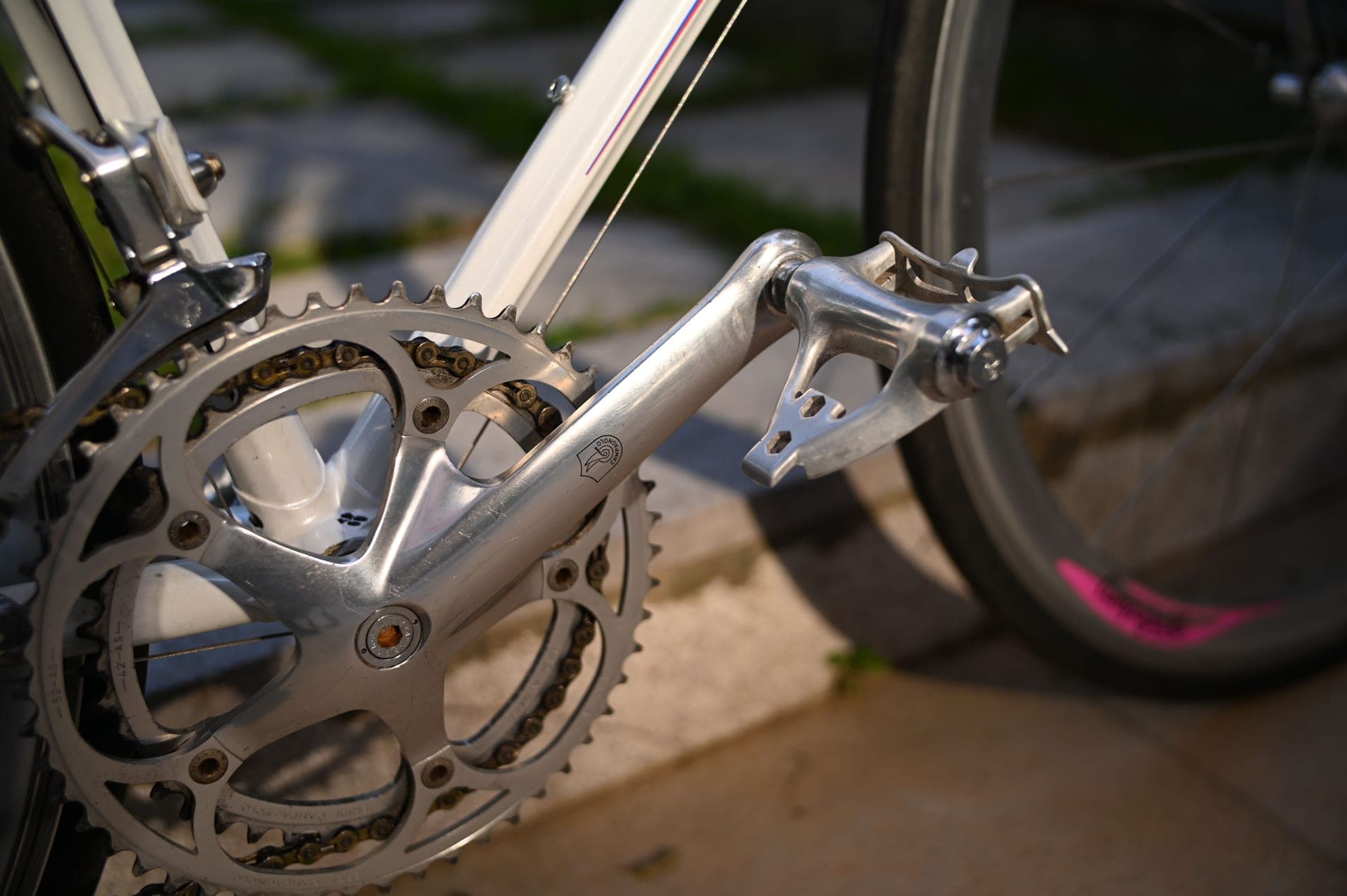
The sequence that works — height, rotation, low limit, cable, high limit — with Shimano's own published clearances and the trim position nobody explains.
Read the full guide →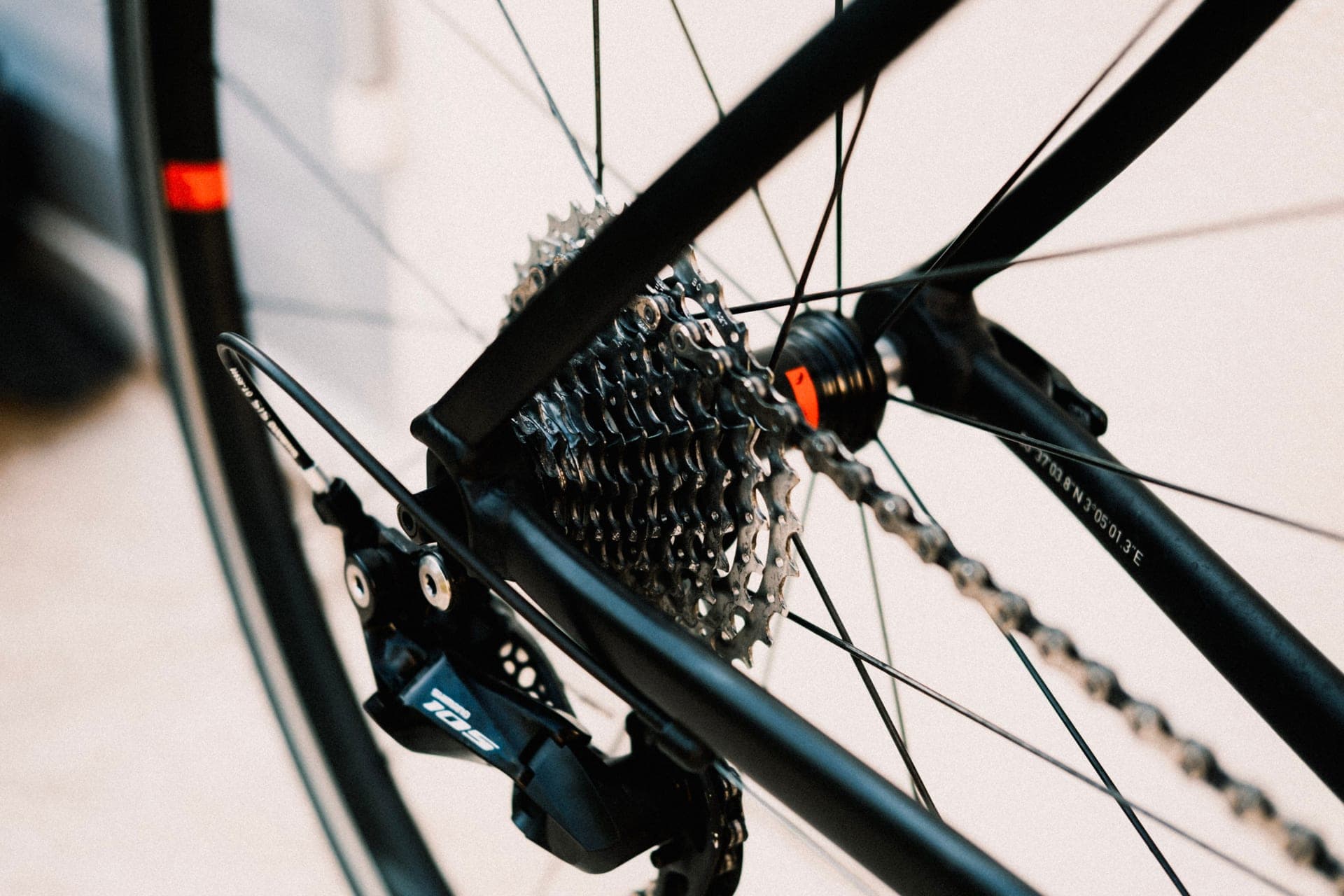
A symptom-first diagnosis: one gear or every gear, under load or all the time, once per revolution or continuous — each points at a different part.
Read the full guide →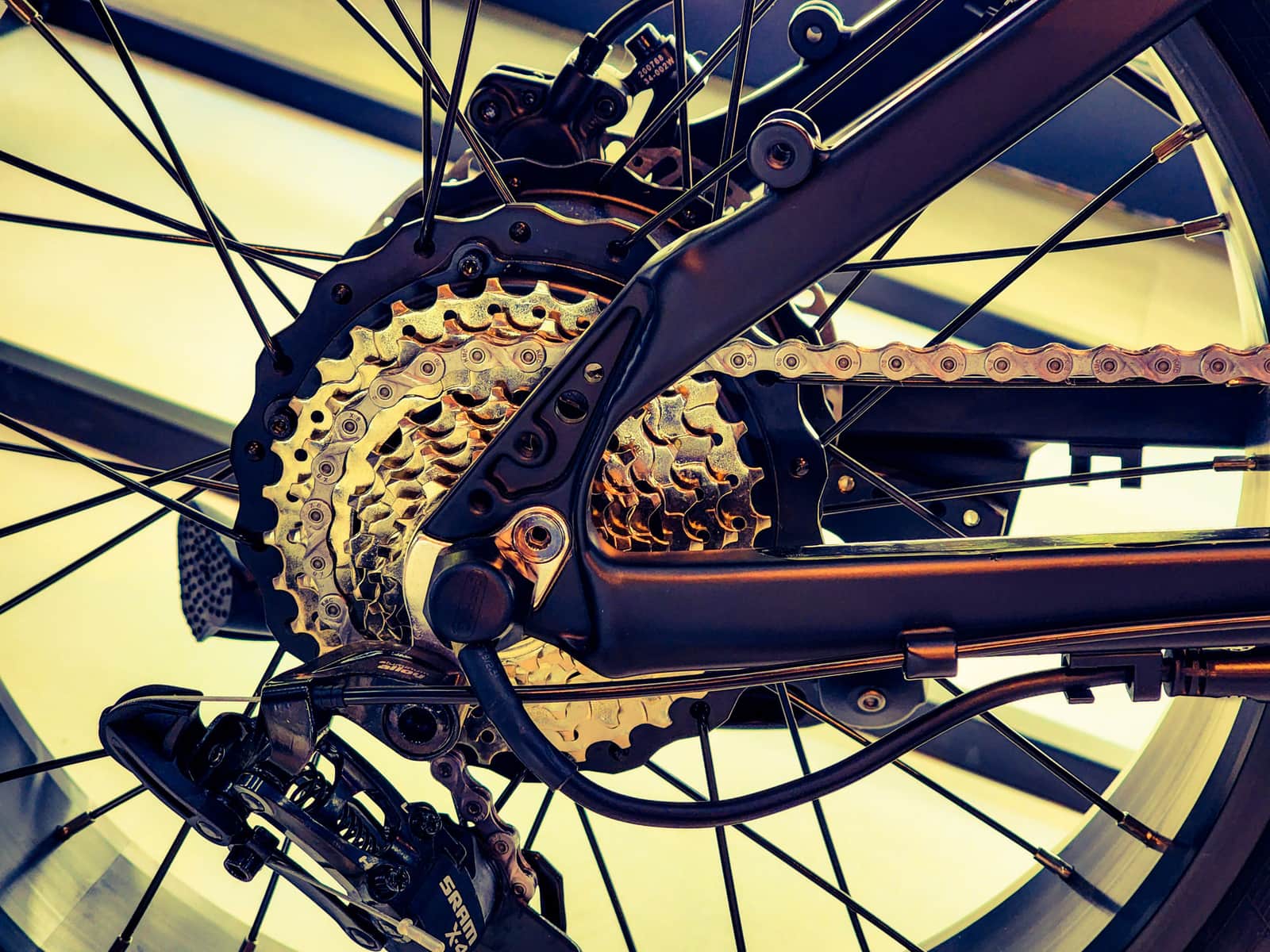
Two published methods for chain length — copy the old chain, or wrap largest-to-largest and add two rivets — plus the 1x exception, chain guides and full suspension.
Read the full guide →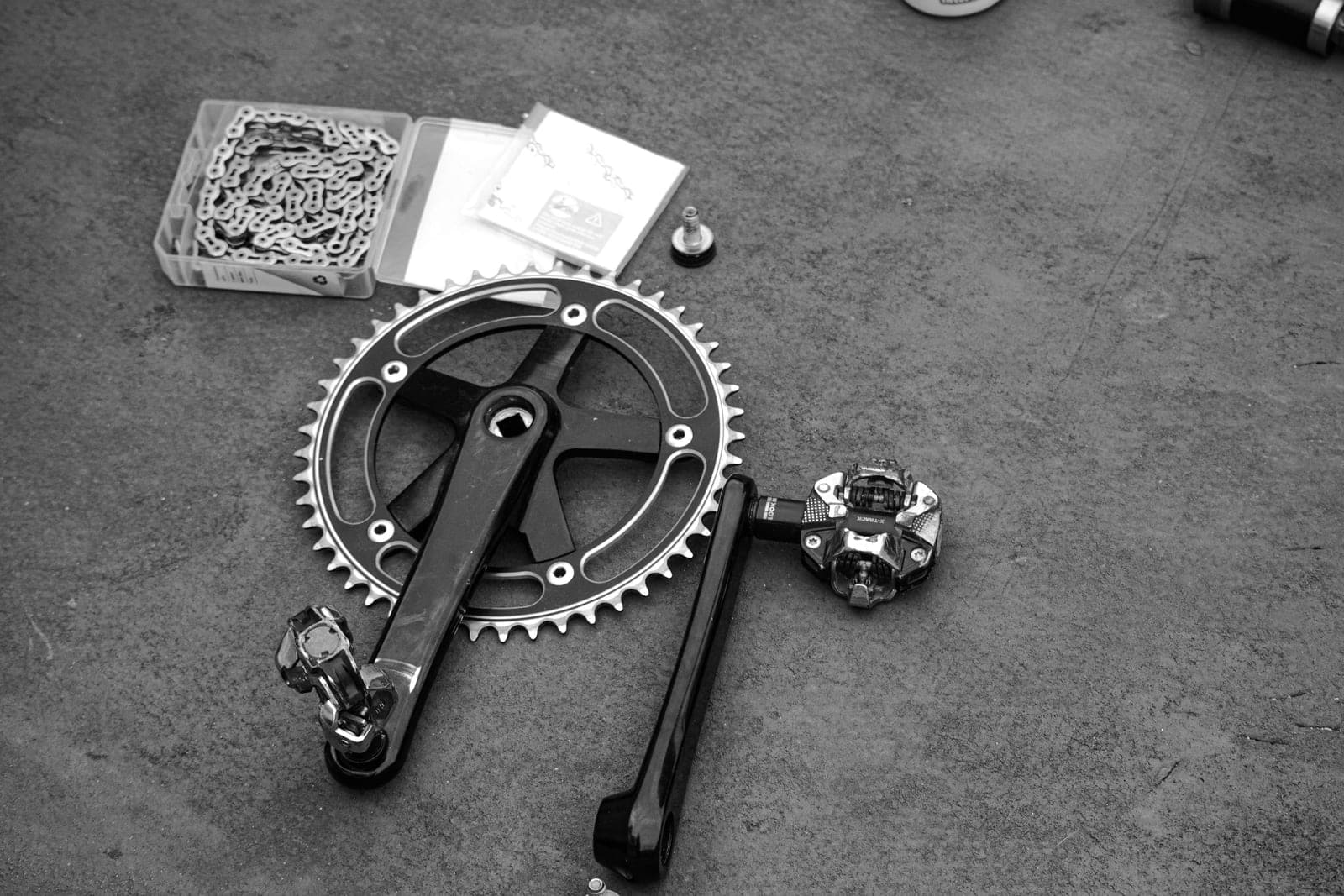
Diagnosis by direction: chain drops inside, outside, or off the rear. Park Tool's published 1-2 mm and 1 mm clearances, and the cheap fixes before the expensive ones.
Read the full guide →Mostly you’re buying weight, and not much of it. The shifting logic is shared. We’ve put the manufacturer’s own published specs side by side in 105 vs Ultegra so you can see exactly what the money gets.
The one matching your drivetrain’s speed count — an 11-speed drivetrain needs an 11-speed chain, and that constraint decides most of the question before brand enters it. The chain roundupcovers what’s left.
Some combinations work, many don’t, and the failure mode is shifting that never quite indexes. Chains and cassettes cross over more happily than shifters and derailleurs do. Compatibility, explained.
Usually cable tension, and it’s a five-minute fix with a barrel adjuster rather than a new derailleur. Limit screws and B-tension are the next suspects — the sequence is here.
It depends entirely on how clean you keep it, which is why the honest answer is a measurement rather than a mileage. Measure it with a wear gauge and replace at the published threshold — here’s how.
We haven’t tested any of the products in this hub, and we don’t pretend otherwise. Read how we research — it explains what we do instead, and why we think it’s more useful than a score.