Best bike light
The Best Bike Lights
Front, rear and radar. What each seller publishes, what none of them publish, and why the lumen number is the wrong thing to shop on.
Tarmac
Being seen, knowing your numbers, and sitting comfortably for four hours. Everything else on a road bike is negotiable.
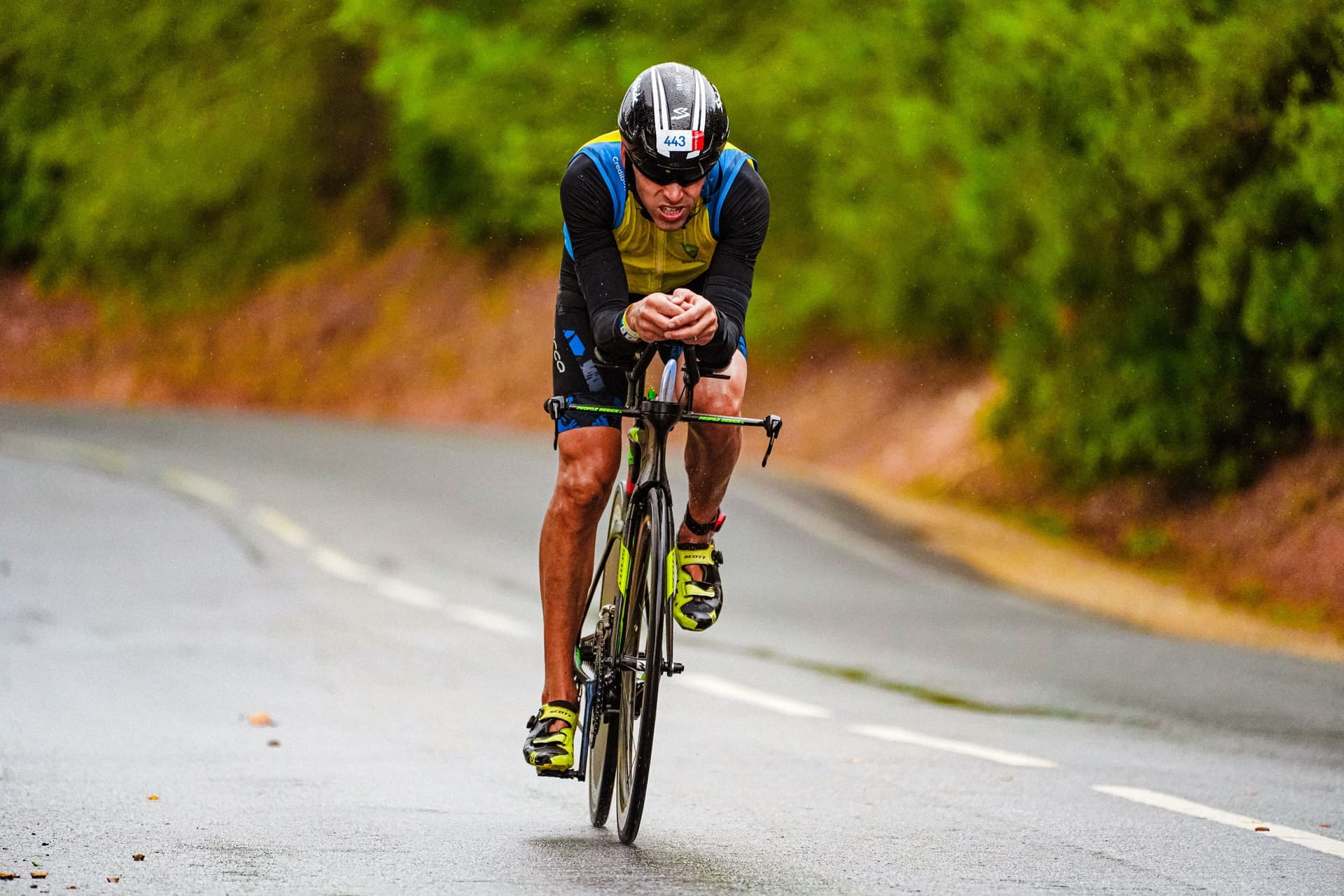
Road cycling gear divides cleanly into three problems: being seen, knowing your numbers, and sitting comfortably for four hours. Everything else on a road bike is preference, and most of it is preference the industry has successfully sold you as necessity.
Being seen is the one that matters most and gets the least honest coverage. The lumen count on a light’s box is close to useless as a measure of whether a driver will notice you — beam pattern, flash mode and mounting position all matter more, and a 200-lumen light aimed properly beats an 800-lumen one pointed at the sky. The most effective safety product on this hub isn’t a light at all: it’s the radar taillight that tells you a car is approaching before you hear it.
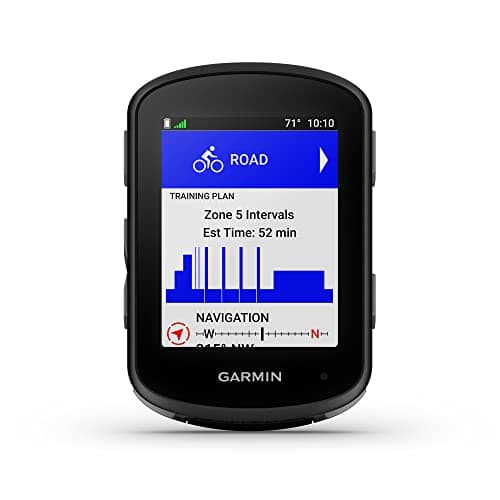
Bike computers run from about the price of a decent lunch to the price of a decent wheel, and the honest truth is that most riders buy several tiers more than they use. If you want to know your speed, distance and time, a wireless computer with no GPS at all does that perfectly. If you want maps and structured training, you need the expensive one. The middle is where money goes to die.
And if you’re not sure? Your phone already does most of it, and we’ll say so out loud in bike computer vs phoneeven though there’s no commission in that answer.
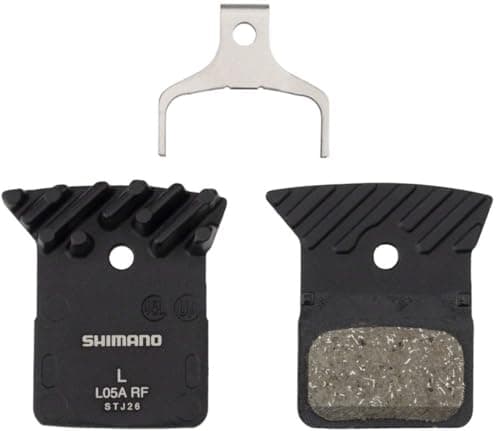
The other place money leaks is consumables bought in the wrong shape. A disc brake pad is chosen by your caliper before anything else, and Shimano publishes a 40% durability gap between two of its own pads that fit the same brake — which pad fits, and which one lasts.
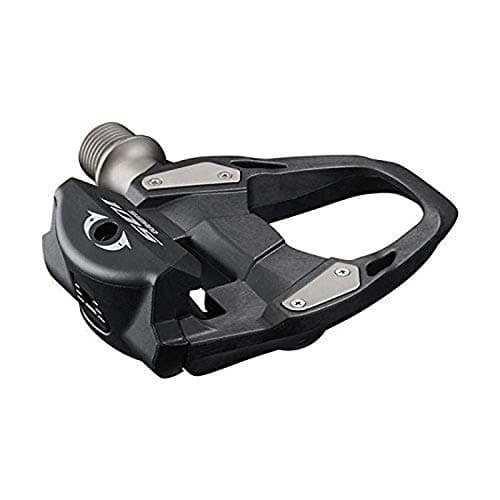
Pedals are the same trap in a different shape. What you are buying is not a pedal but a cleat standard, and the cleat is what sets your float, whether you can walk in the shoes, and what it costs to change your mind — eight road pedals ranked on published float, with the three systems’ own figures side by side.
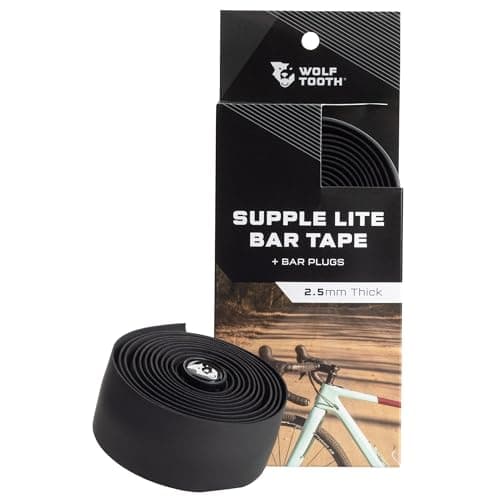
Bar tape is the cheapest thing on a road bike that changes how the bike feels, and the category sells it on one number: a thickness in millimeters. That number is less solid than it looks. SILCA publishes a conversion factor between its millimeters and everyone else’s; Wolf Tooth says its 2.5 mm tape becomes 5 mm depending on how much you overlap it; Cinelli and Arundel publish no thickness at all. And fizik’s own figures show its 2 mm tape weighing more than its 3 mm one, because thickness is a question about density, not volume.
So we ranked ten tapes on the whole spec sheet instead — what each maker actually publishes about its own bar tape — and found that exactly two of the seven brands publish both a width and a length, which is the only way to know how much tape is in the box.
Three jobs those roundups assume you can already do now have pages of their own, each built on a published procedure rather than on convention: how to wrap bar tape, which follows Park Tool’s own instructions including the overlap figure it actually prints; how to use clipless pedals, built on Shimano’s published 13-degree clip-out angle; and how to set saddle height, which draws on a 2022 systematic review of 41 studies and the finding that changes under 4% of leg length have no measured effect on efficiency.
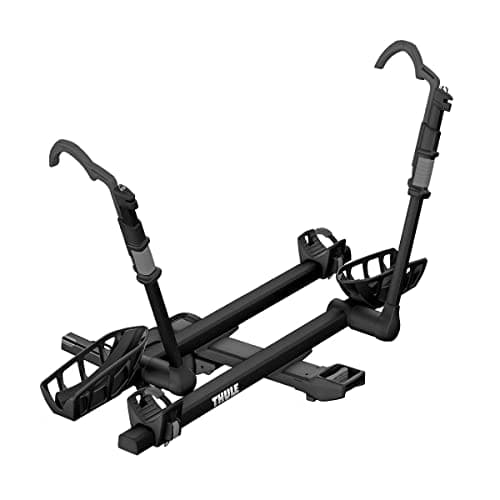
Two purchases sit either side of the ride itself, and both are decided by a number the category mostly refuses to print. Car bike racksare sorted by mount type — platform, hanging, trunk, roof — because that decides whether a rack fits your car and whether it clamps your frame; three of ten listings publish a weight capacity, and the two per-bike figures differ by a factor of 2.3, which is the whole e-bike question. Indoor trainers are sorted by how the bike connects, and the audit there is worse: one of ten listings publishes a power accuracy figure, and it is not one of the two most expensive trainers.
Saddles. A saddle is the one component where the only relevant data is the shape of your pelvis, and no reviewer — not us, not anyone with a lab — can tell you what fits. Any site confidently ranking saddles is ranking their own anatomy. We explain the mechanism (sit-bone width, cutouts, why pressure isn’t padding) and then get out of the way: how to choose a bike saddle.
The pedal and phone-mount roundups above answer which product; they do not answer which system, which is the question people actually type. LOOK Keo versus Shimano SPD-SLfinds the two makers publishing complementary halves of one spec sheet — LOOK prints stack height, contact area and weight and will not say which float angle is in the box; Shimano prints the cleat by part number and publishes no stack height at all. Quad Lock versus Peak Design versus Rokform finds four of eight published specifications blank across all three brands, and only the cheapest of the three publishing a handlebar diameter range. And because five pages here tell you to lock the bike properly and none explained how, how to lock a bike covers the rear triangle, the empty space inside a shackle, and what to do when there is nothing to lock to.
Heads up: we earn a commission if you buy through the links on this page, at no extra cost to you. It never decides what makes the list — here’s how that works.
Our picks, with the live price on the card. No need to click through unless you want the reasoning — and you should want the reasoning.
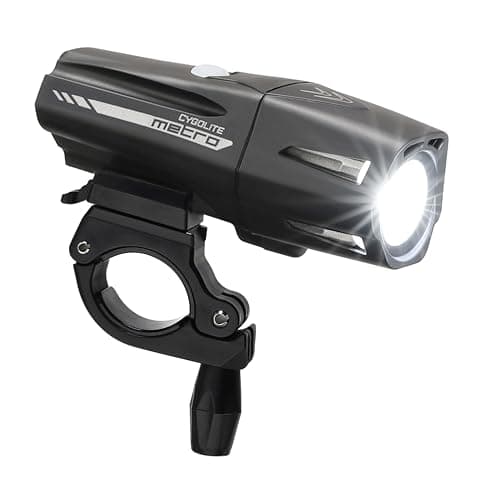
Best bike lightFront, rear and radar. What each seller publishes, what none of them publish, and why the lumen number is the wrong thing to shop on.
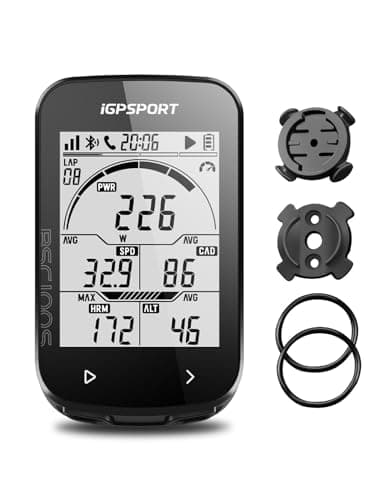
 Best bike computer
From a no-GPS wireless speedo to a solar Garmin, across a 16x price range. What each listing publishes, and why most riders overbuy.
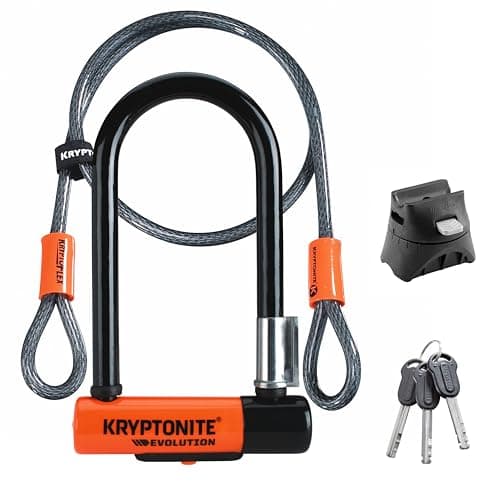
 Best bike lock
Two locks compared on what they publish rather than what they claim. Three security scales pulled apart, the DOJ's theft research, and the registration paperwork that decides whether a theft guarantee is worth anything.
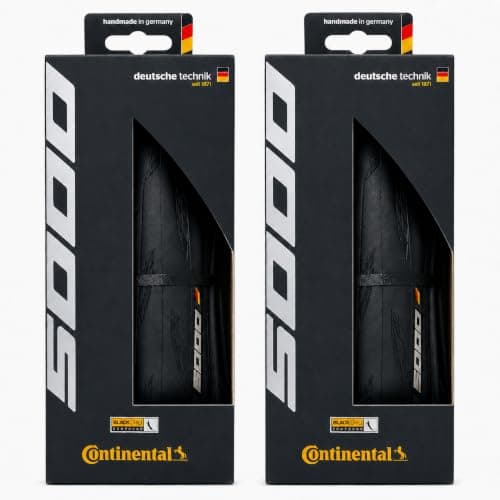
 Best road tire
Published width, casing, puncture protection and tubeless readiness across seven road tires — and which listings are singles versus pairs.
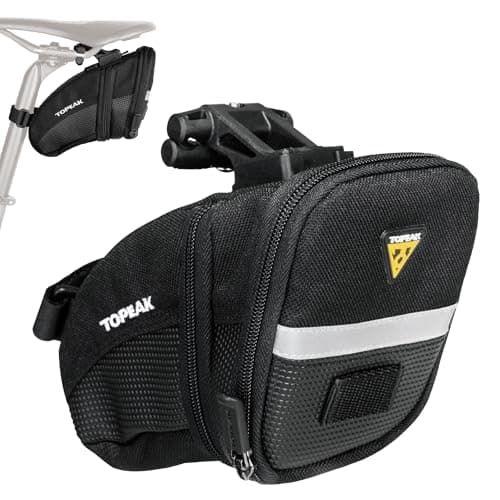
 Best saddle bag
Bracket versus strap mounts, published volumes and weather protection across six saddle bags — plus what actually needs to fit inside.
 Best disc brake pad
Resin, metal and organic pads sorted by caliper shape, with Shimano's published 40% durability gap between the 03 and 05 pads that fit the same brake.
 Best road pedal
Published float, stack height, contact area and stance across SPD-SL, Keo, Speedplay and SPD — and why the cleat, not the pedal, is the thing you are actually committing to.
 Best bar tape
Ten drop-bar tapes ranked on published thickness, width, length and weight. Only two of the seven brands publish enough to work out how much tape you are buying, and one brand's thinnest tape is also its heaviest.
 Best ride-repair kit pick
Six things to carry, ranked by what happens if you don't have them: tube, levers, inflation, multitool, patches and the bag. Sizes to check, and what to leave at home.
 Best phone mount
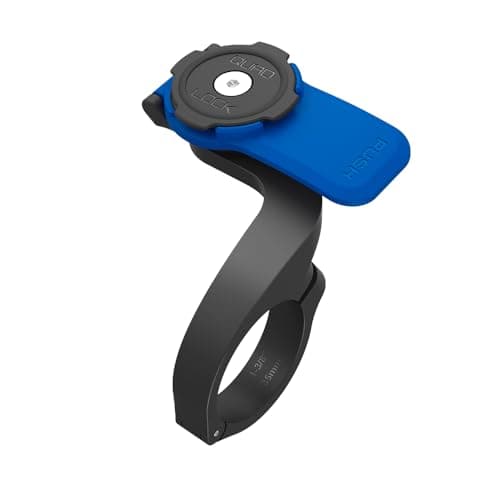
Eight phone mounts split into case-locking interfaces and universal clamps, ranked on what actually holds the phone — and on which listings publish a bar diameter at all.
 Best bike mirror
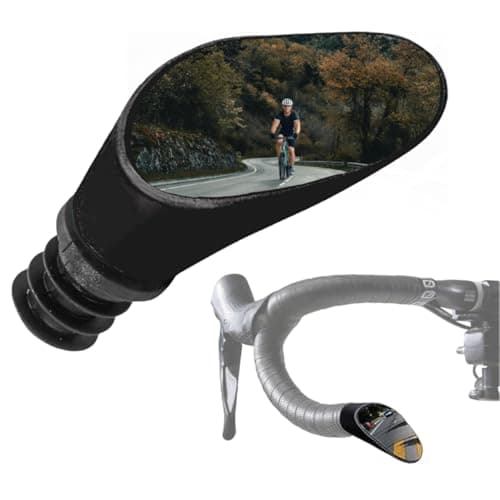
Seven mirrors sorted by mount — drop-bar, flat-bar, bar-clamp and eyeglass — with an audit of which listings publish a lens size and which publish adjectives.
 Best indoor trainer
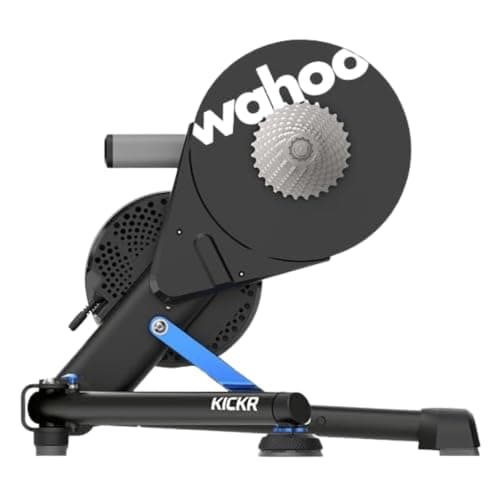
Ten trainers sorted by drive type, with the published-figures audit: one of ten listings states a power accuracy, two state a simulated gradient, and 'smart' is used for two completely different things.
 Best car bike rack
Ten car racks sorted by mount type, with the capacity audit: 3 of 10 listings publish a weight limit, and the two per-bike figures differ by a factor of 2.3 — which is the e-bike question.
Lumens are a bad proxy for being seen.A lumen figure measures total light output in every direction. What keeps you alive is how that light is shaped, where it’s aimed, and whether it’s flashing during daylight. A well-aimed 200-lumen light with a proper beam cutoff outperforms a badly-aimed 800-lumen blob, and it doesn’t blind the oncoming driver who then can’t see you.
Manufacturers publish lumens because it’s a single big number that goes on a box. Here’s what to read instead.
Lights are only half of riding in traffic. The other half is knowing what is behind you, and the two ways to do that — a mirror or rear-facing radar — are compared in the bike mirror roundup, which sorts mirrors by mount because that is what decides whether one fits a drop bar at all. If the thing on your bars is a phone rather than a computer, the phone mount roundup ranks mounts on what actually holds it.
The comparisons people actually search for, settled as far as they can honestly be settled.
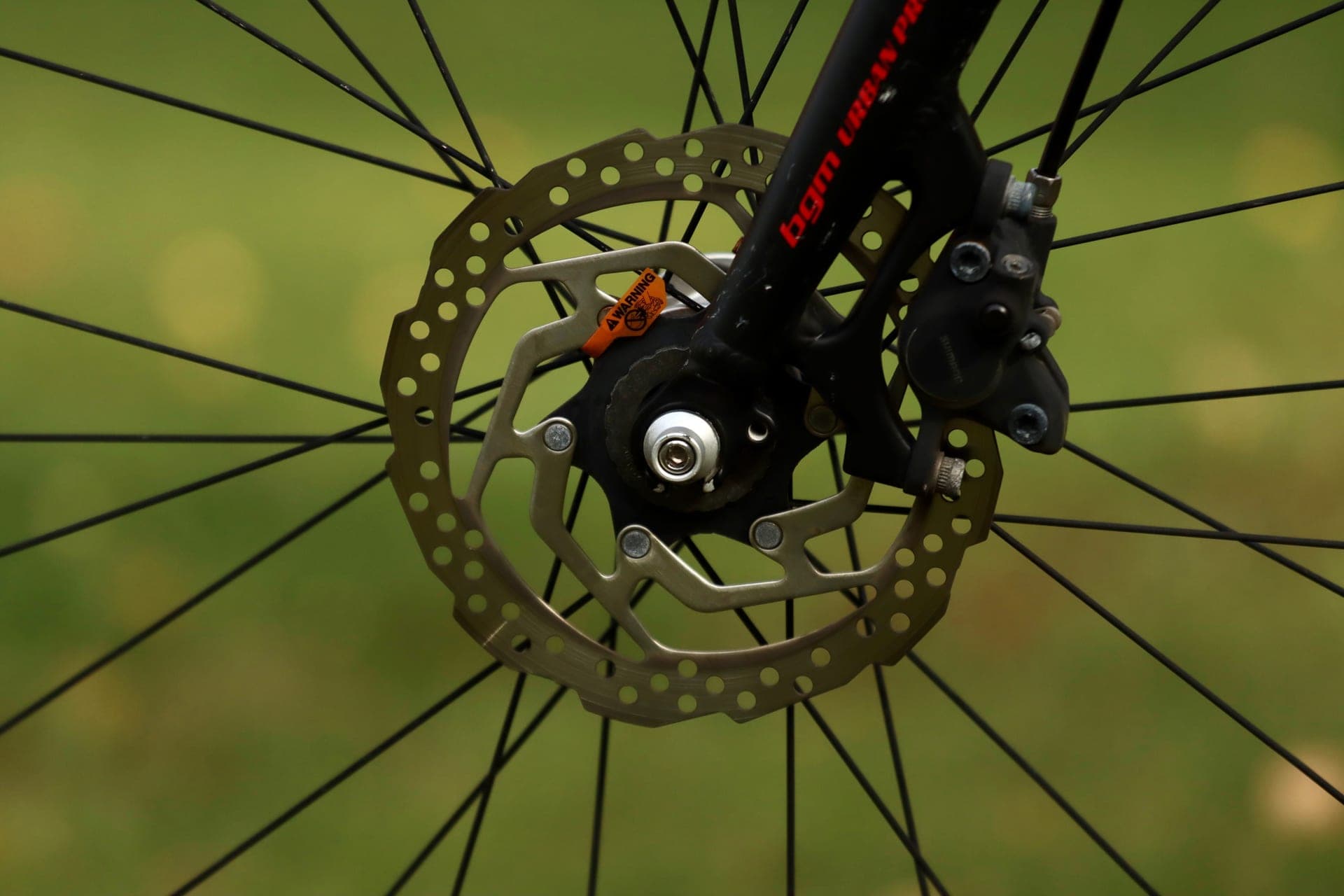
The legal standard both must clear, why it's tested dry, and the four things that actually decide which brake belongs on your bike.
Read the full guide →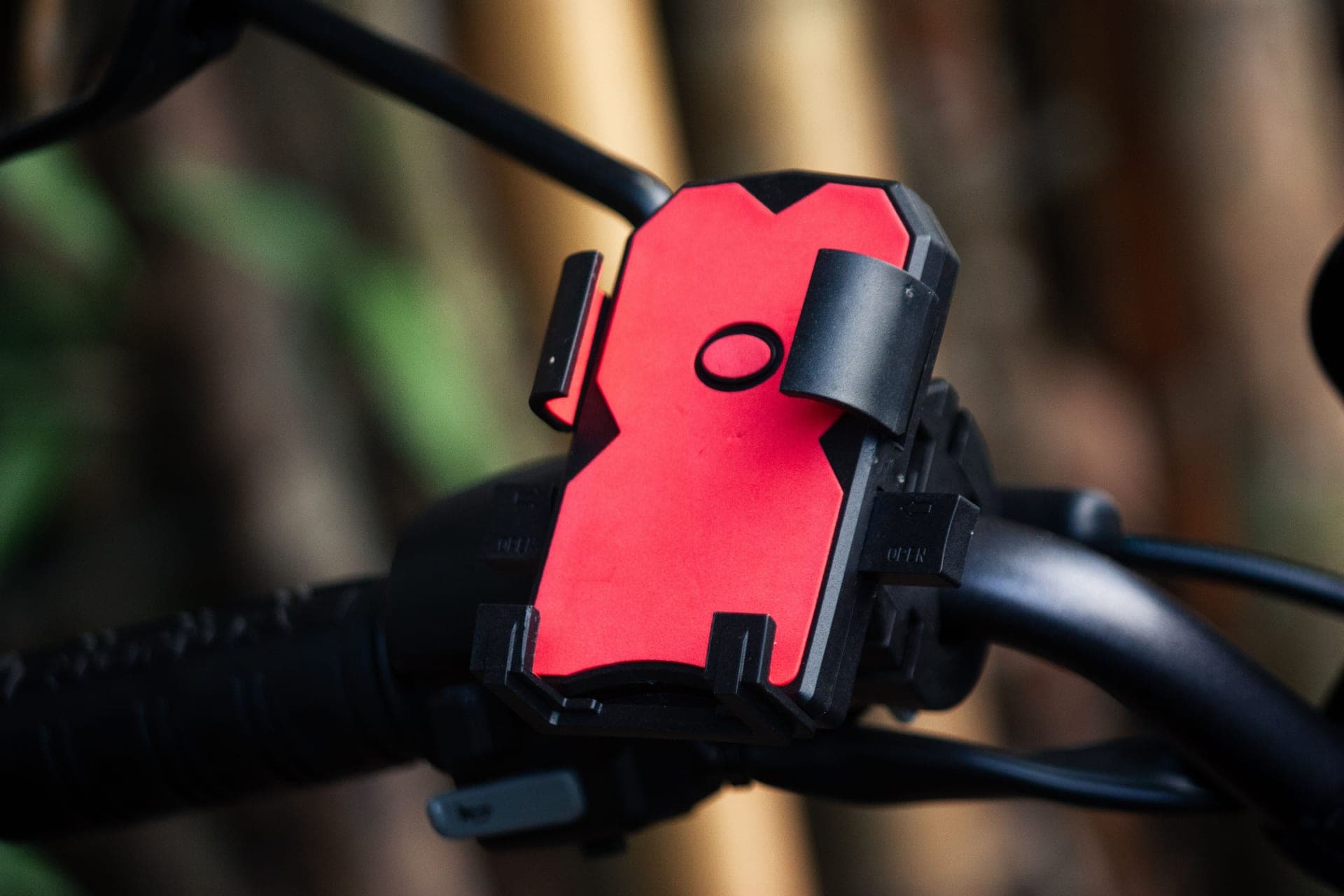
The industry can't answer this one honestly, because the honest answer is often 'use the phone you already own'. So here it is.
Read the full guide →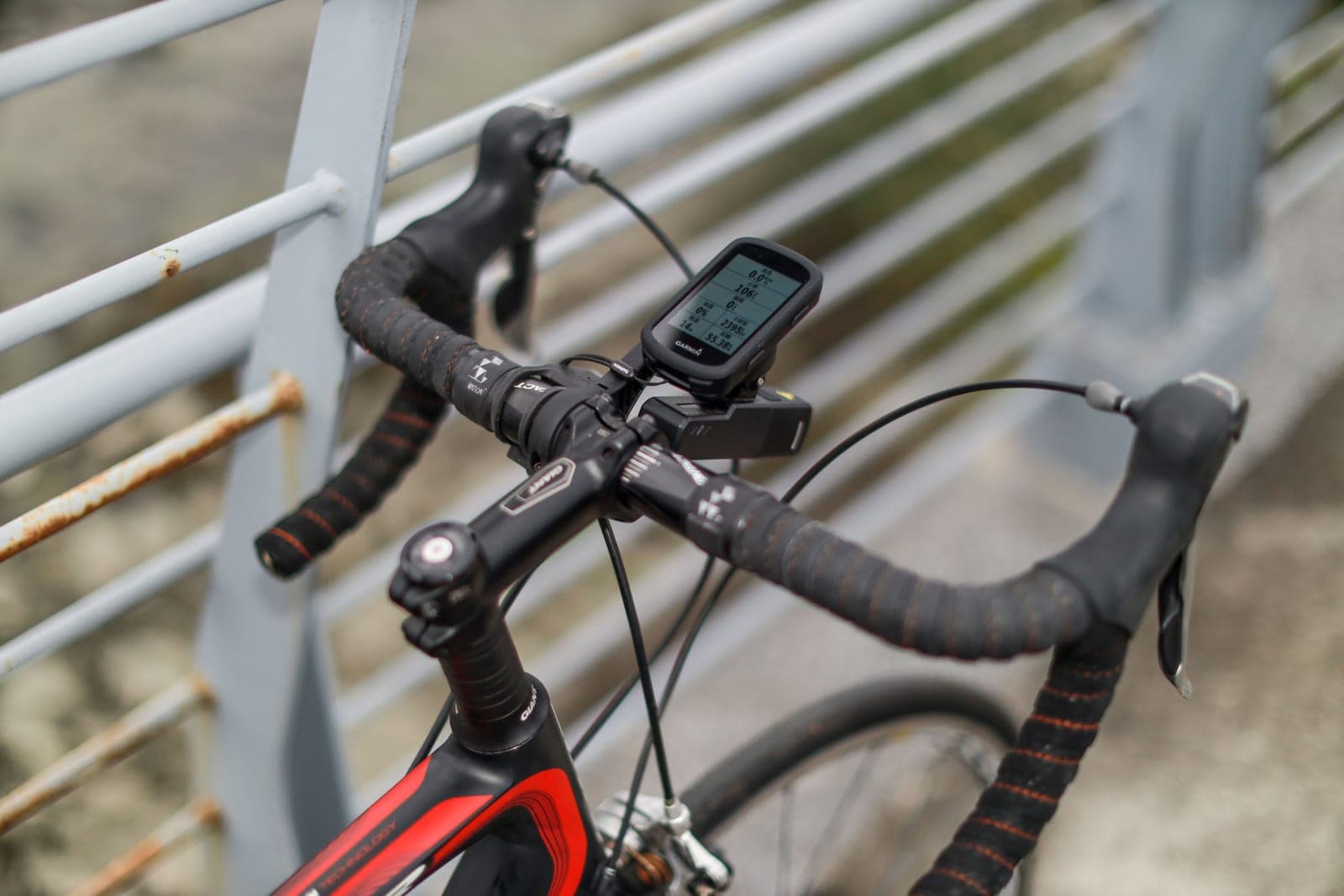
The brand question, answered on published data: Wahoo prints a full spec sheet, Garmin keeps its figures off the listing. Four units, live prices, and who each one is actually for.
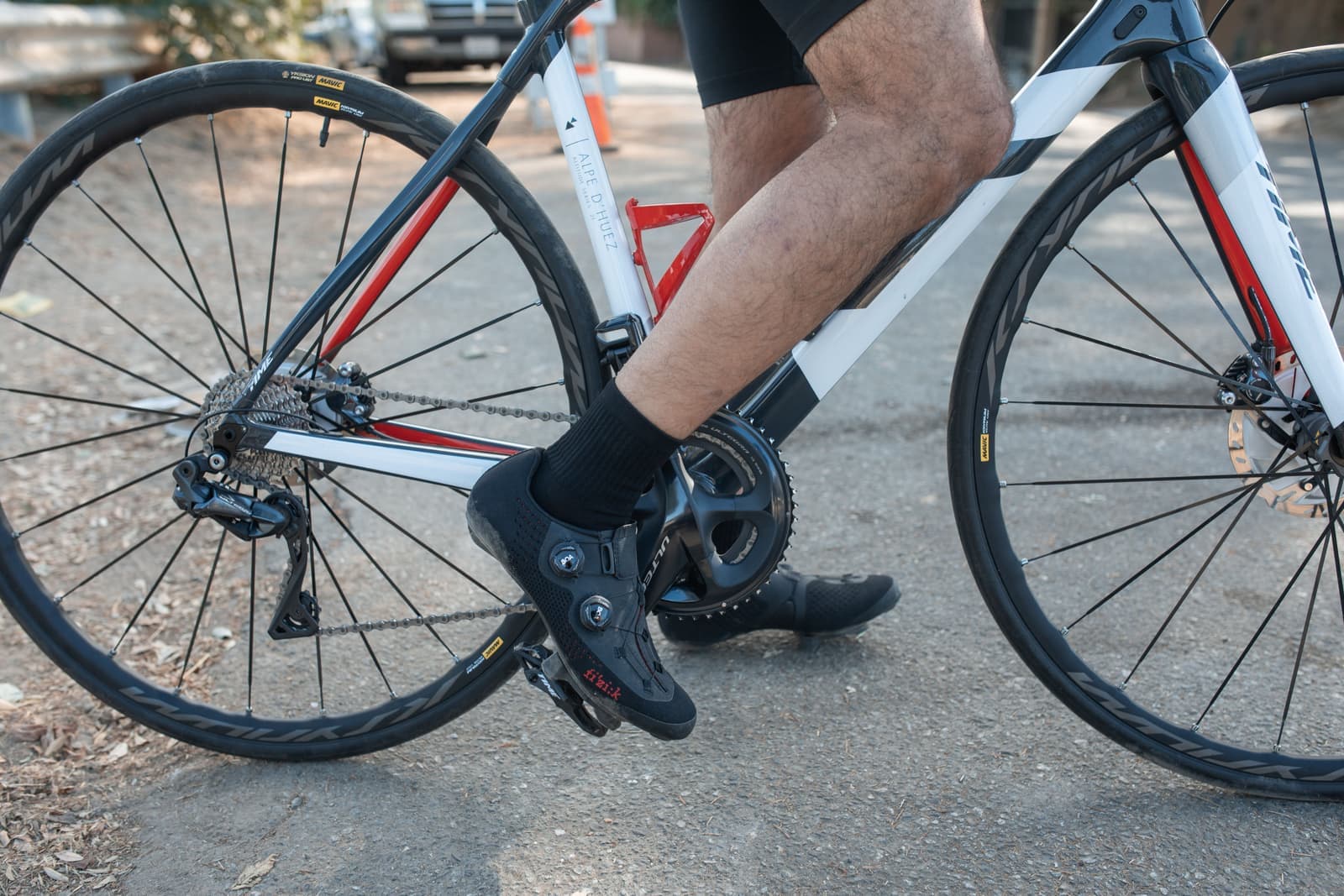
Shimano's two clipless standards compared on published float, clip-out angle and whether you can walk in the shoe. Four pedals, live prices, and the one question that settles it.
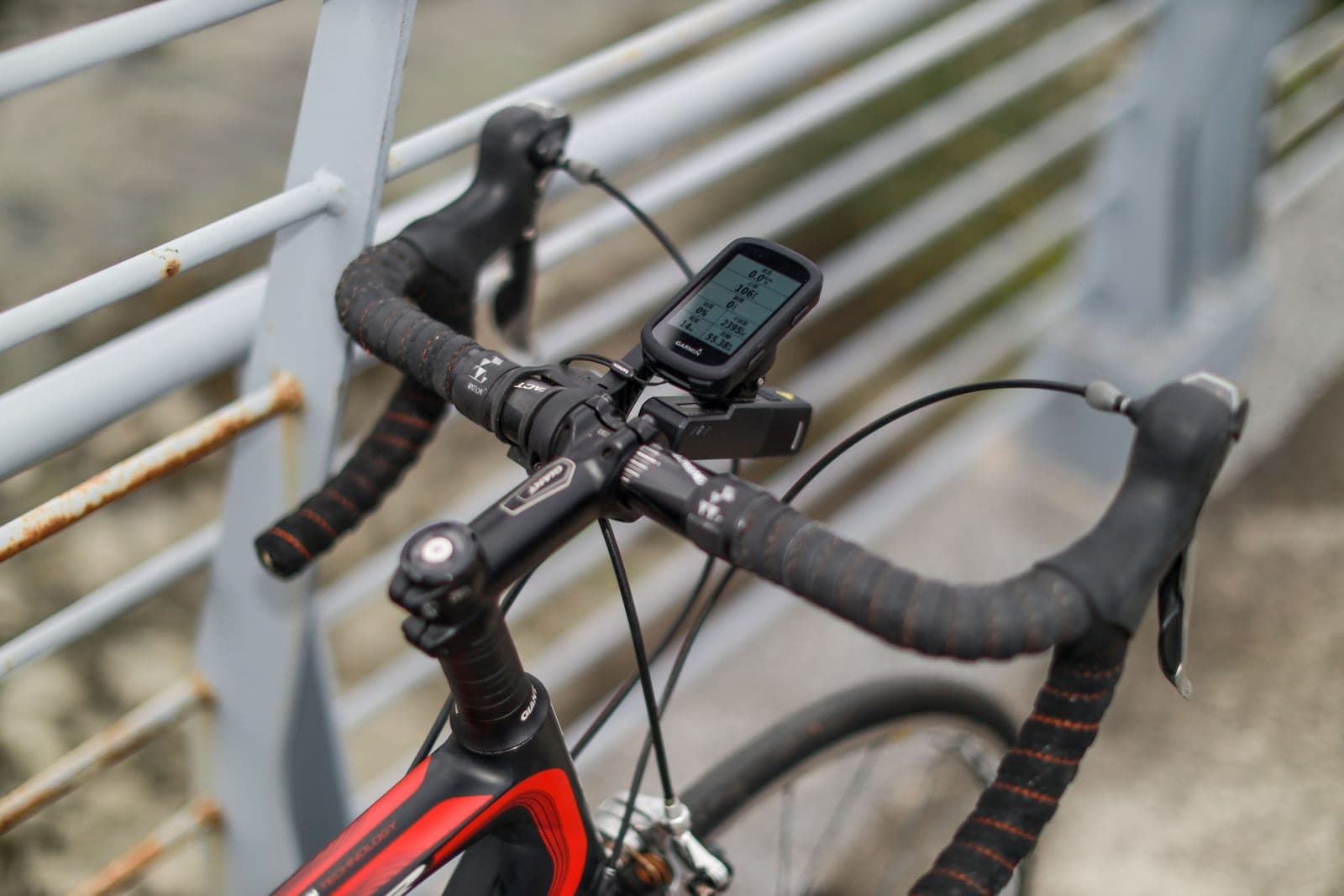
Buttons and coaching, solar and size, or navigation only. The three Edge units separated by what each listing claims to be, because none of them publishes a spec.
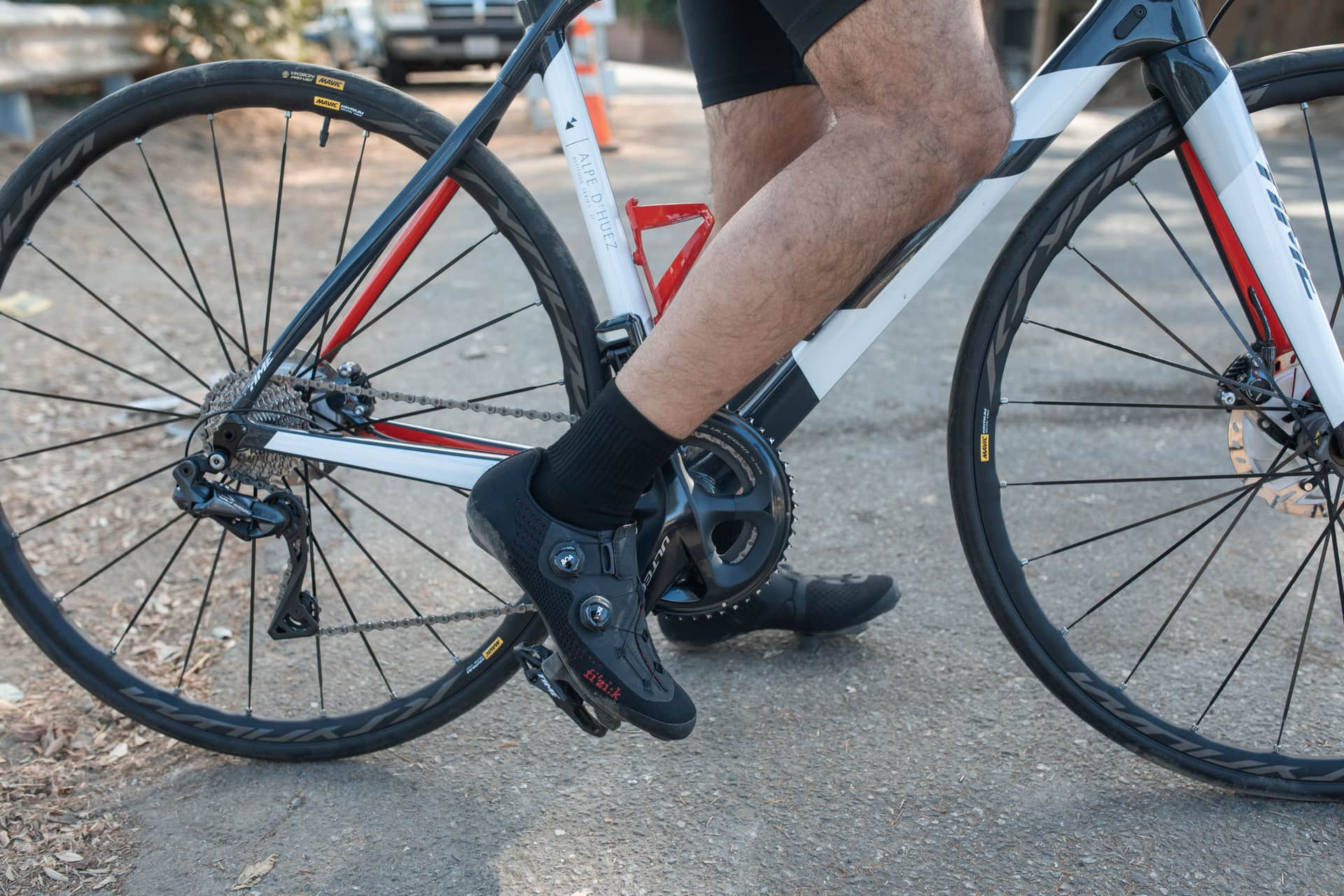
Keo publishes geometry and not which float angle ships; SPD-SL publishes the cleat and not the geometry. Five pedals across both systems, and what changing your mind later costs.
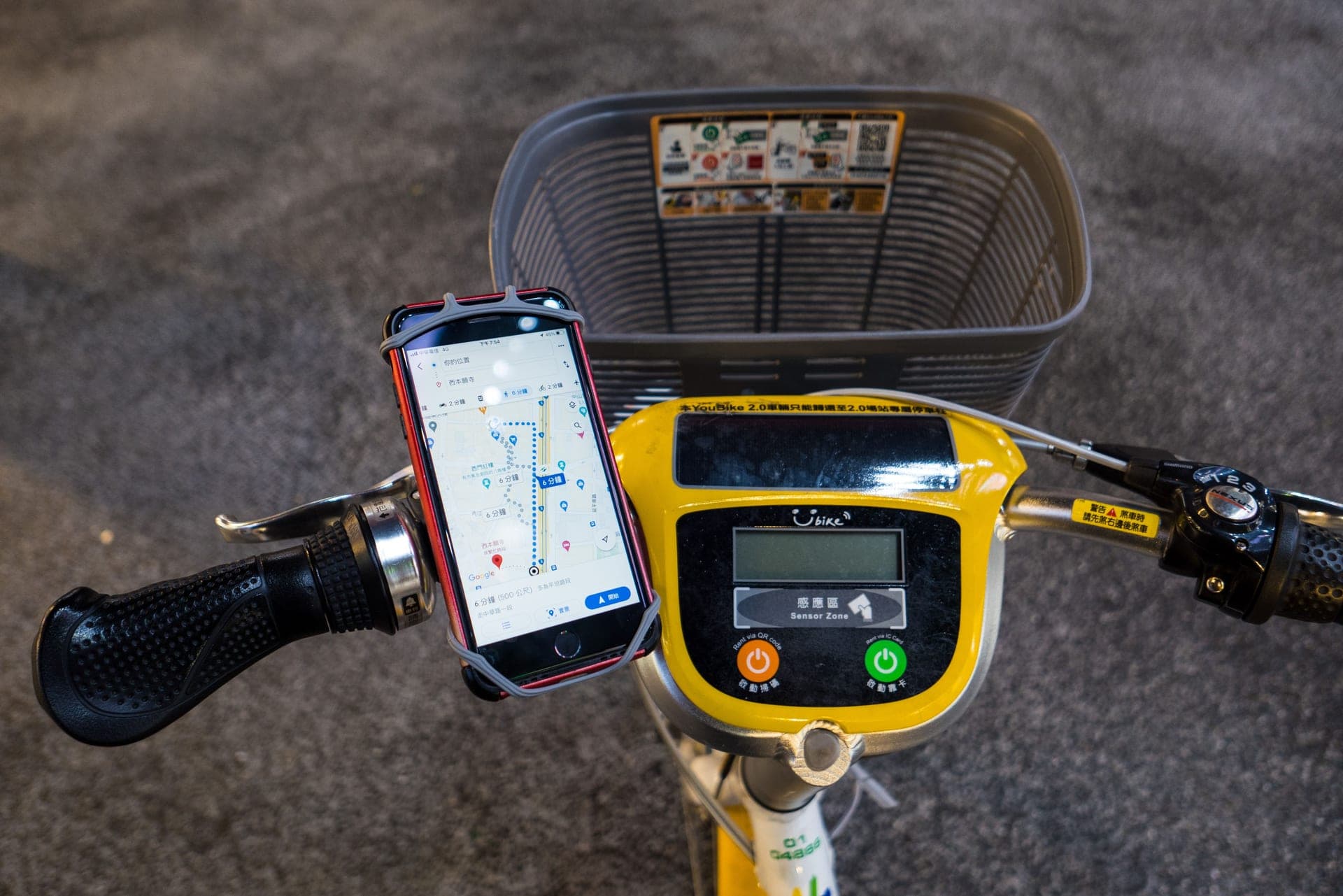
Three proprietary case ecosystems on published retention, mount position and bar fit — and why only Rokform tells you which handlebars it fits.
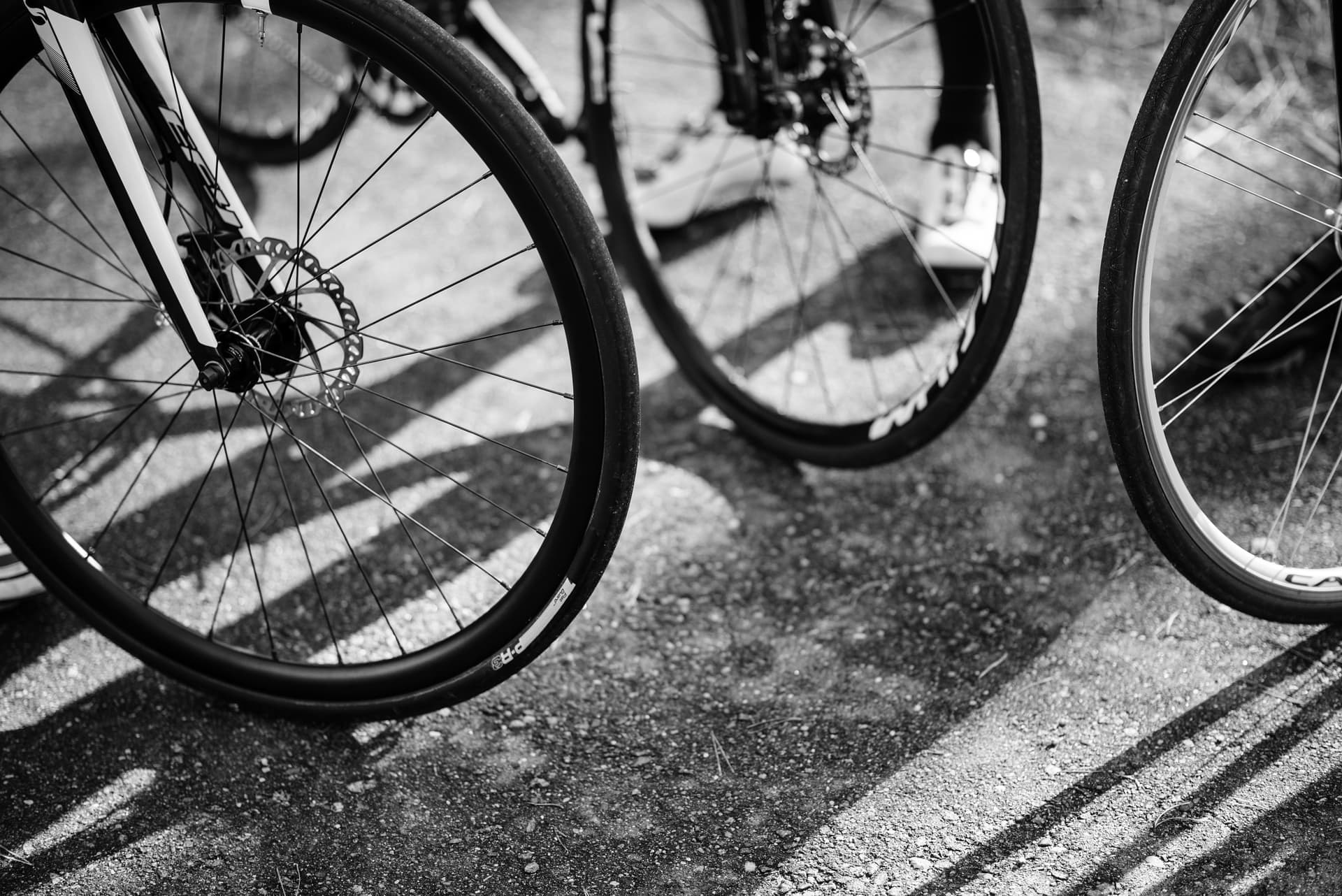
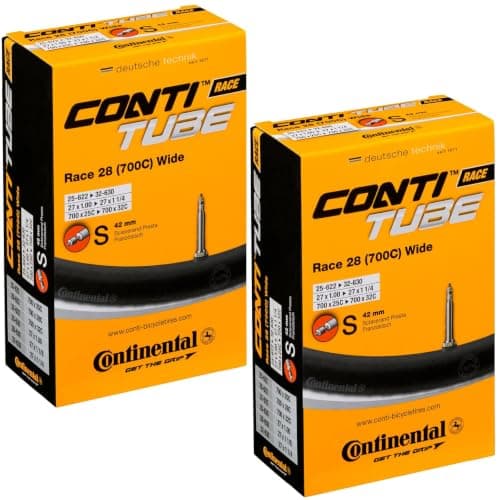
How the three road tire systems mount, what a roadside flat means for each, and why tubular has quietly retreated to a pro and track niche.
Read the full guide →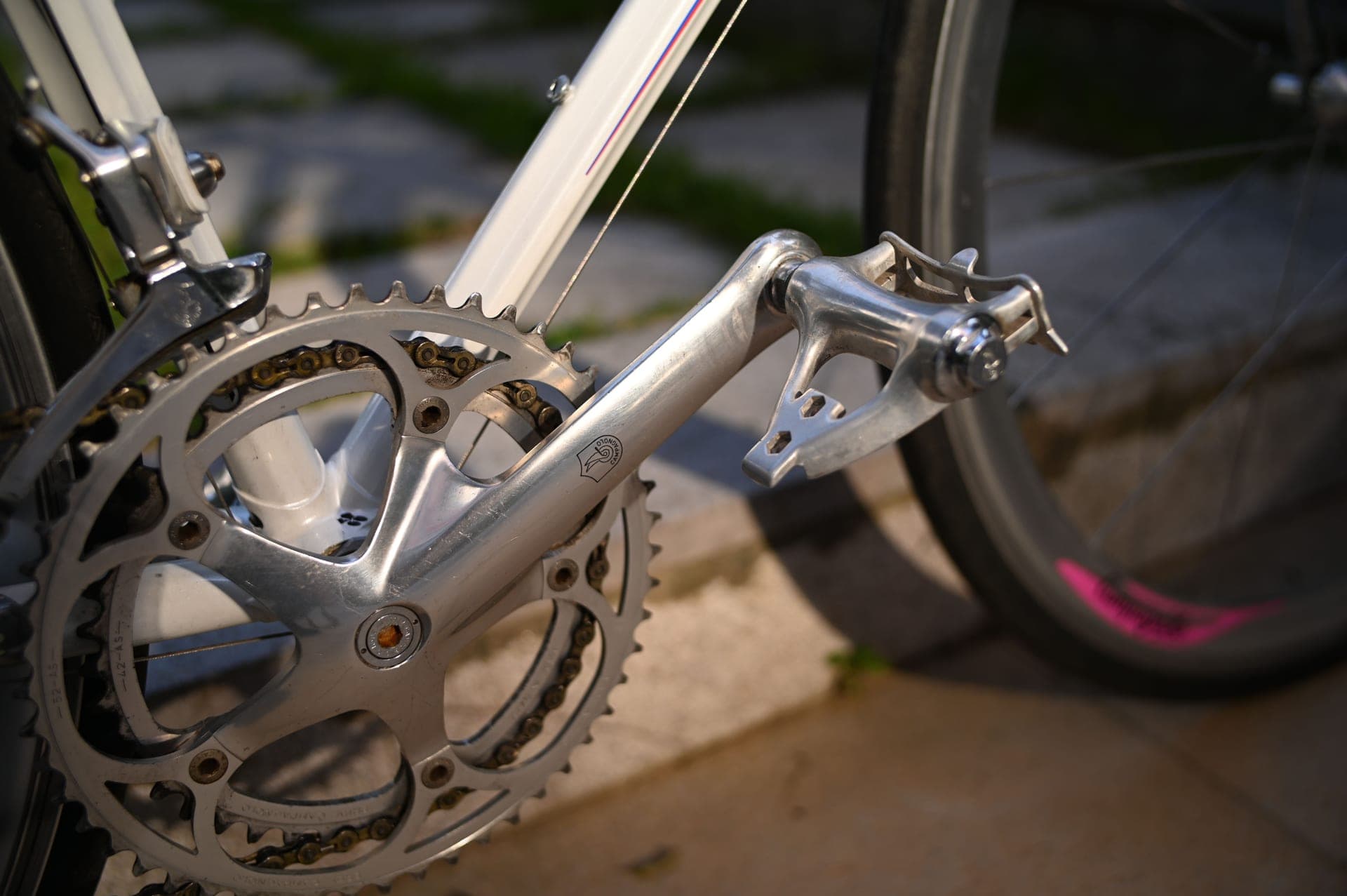
Pedal, crank-arm, spider and hub meters, compared by what the gauge can see. The real error on a cheap one isn't the ±1% — it's assuming your legs match.
Read the full guide →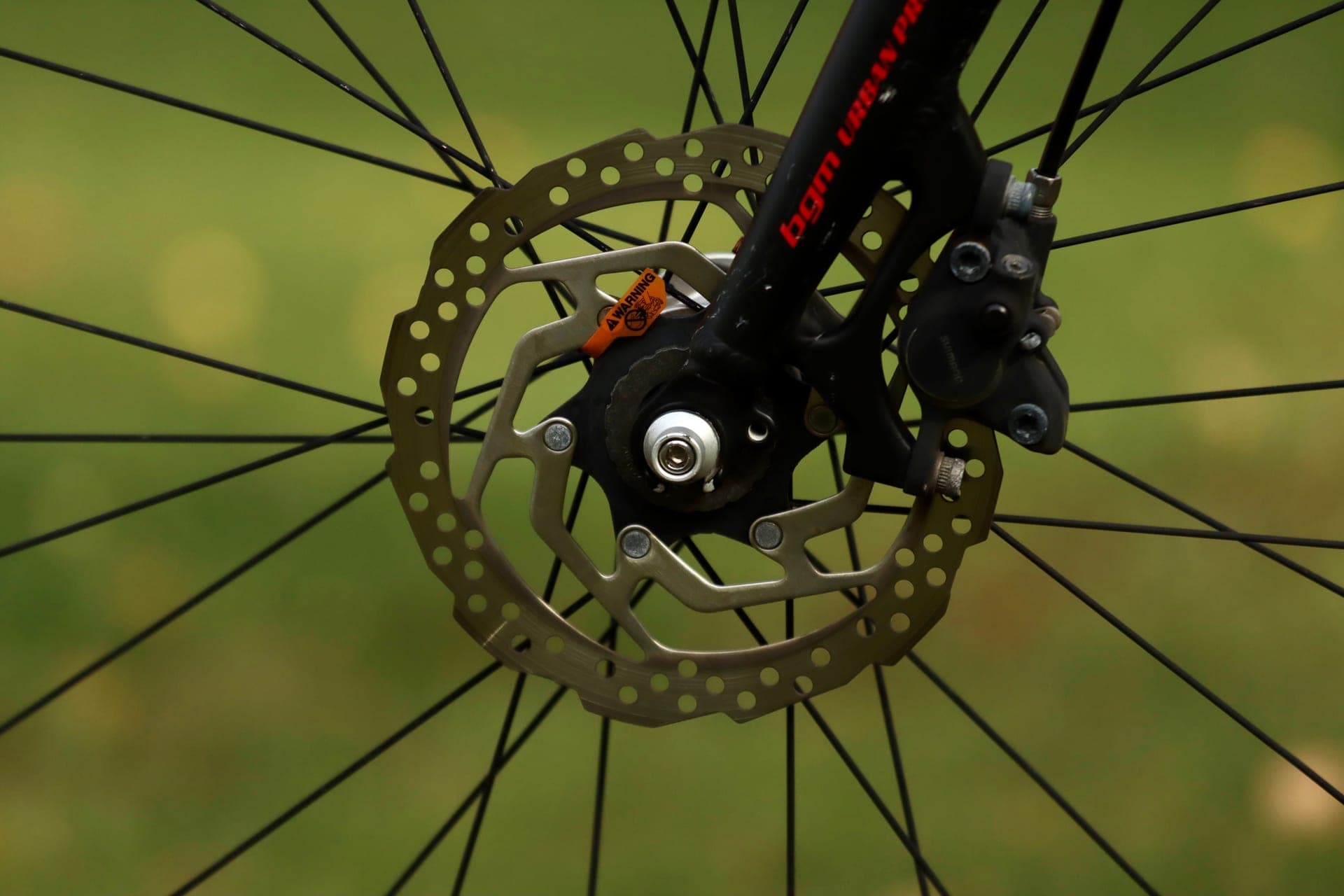
Resin bites cold and quiet; sintered survives heat, wet and long descents. Why there's no better pad, only a match — and how to pick yours.
Read the full guide →The mechanisms behind the choices, so the next decision is yours rather than ours.

Lumens vs lux vs beam pattern. Why the advertised number is a bad proxy for being seen, and what the actual regulations measure instead.
Read the full guide →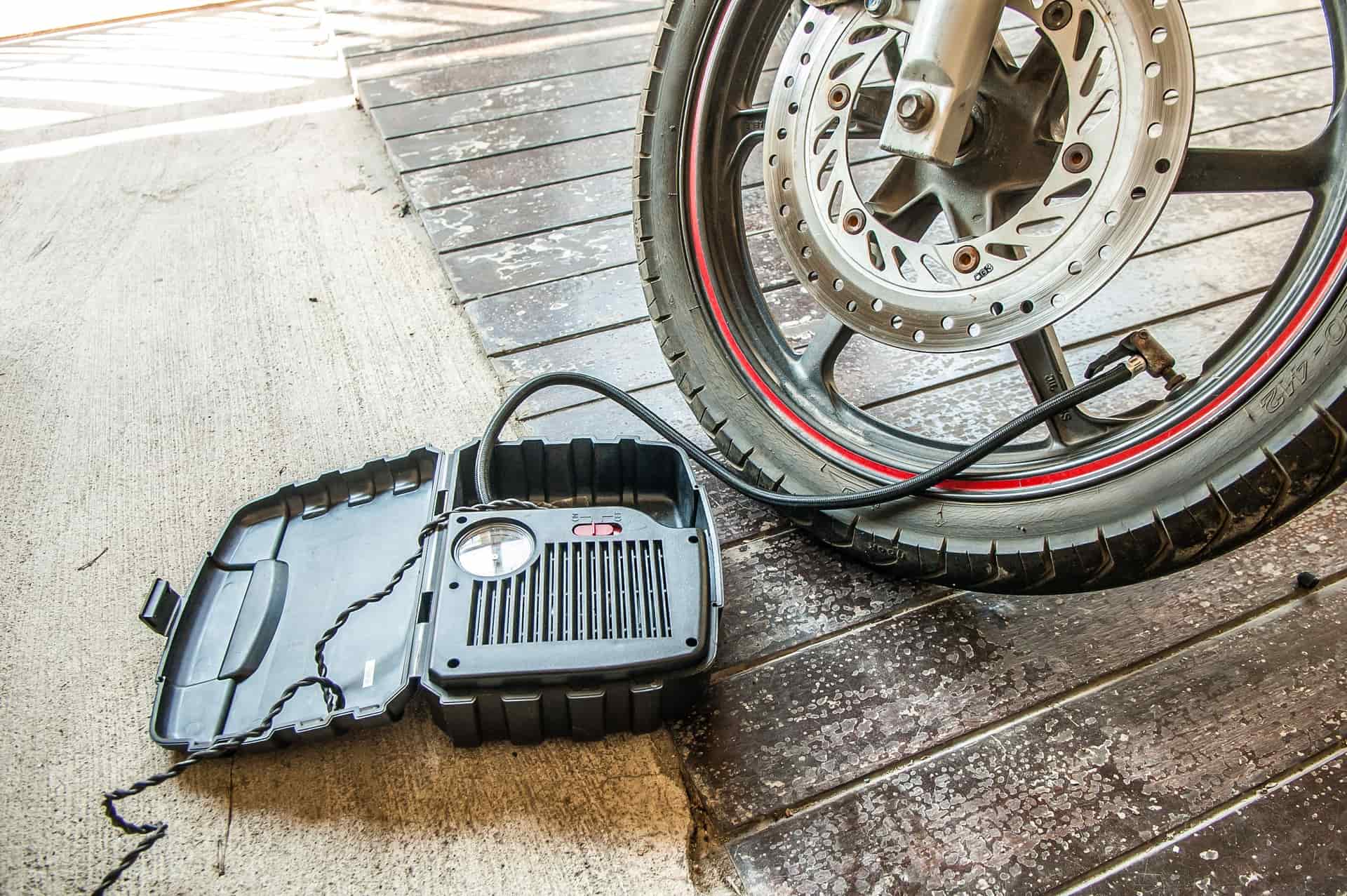
Pressure vs rolling resistance vs comfort, and the breakpoint where harder starts making you slower. With the published research, and no invented psi table.
Read the full guide →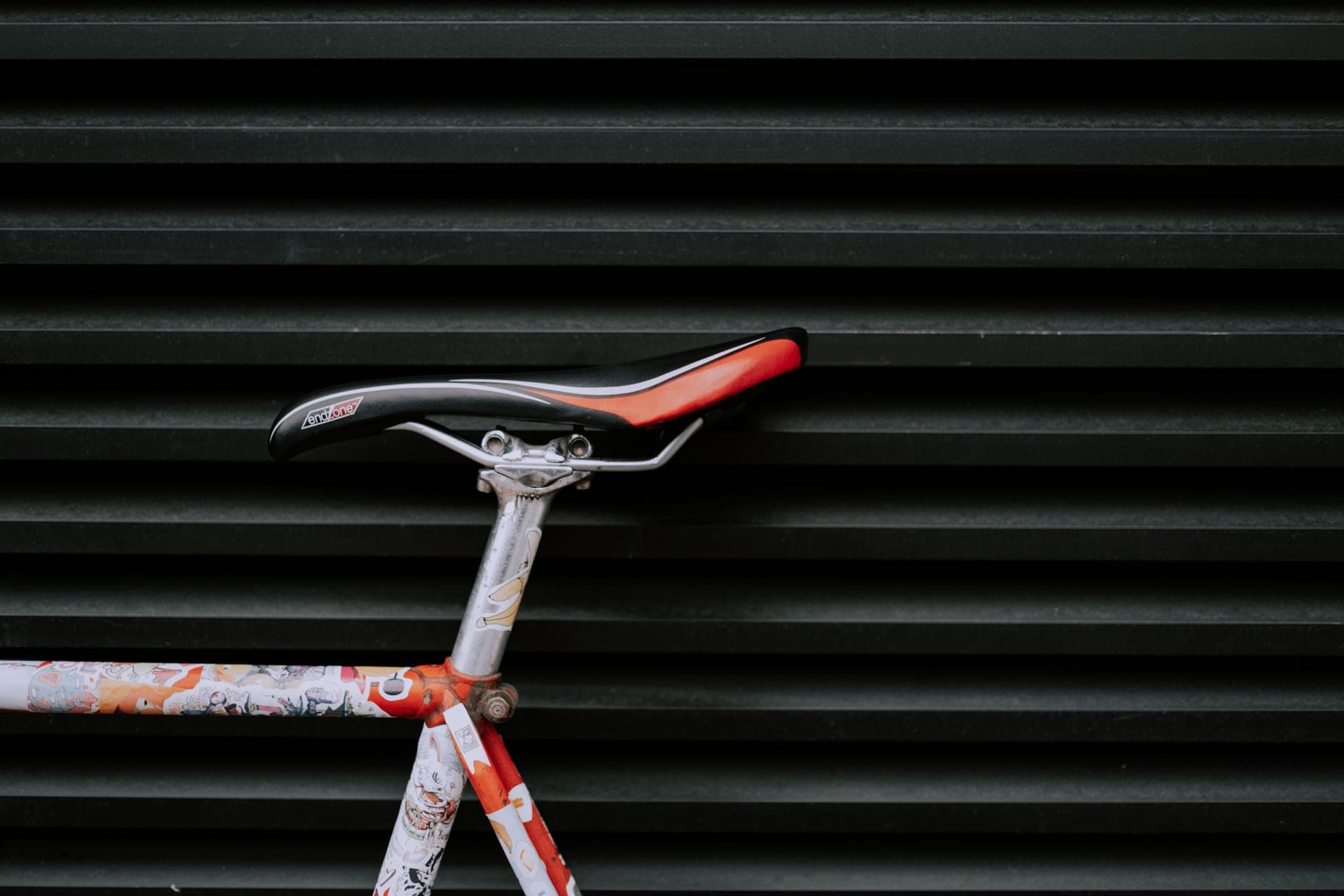
Sit bone width, cutouts, and the peer-reviewed evidence. Why saddle choice is personal, unreviewable, and the one thing you should buy on a returns policy.
Read the full guide →
The home method for measuring your sit-bone width, why the saddle has to be wider than that by an amount that depends on how far you lean, and what a number can't promise.
Read the full guide →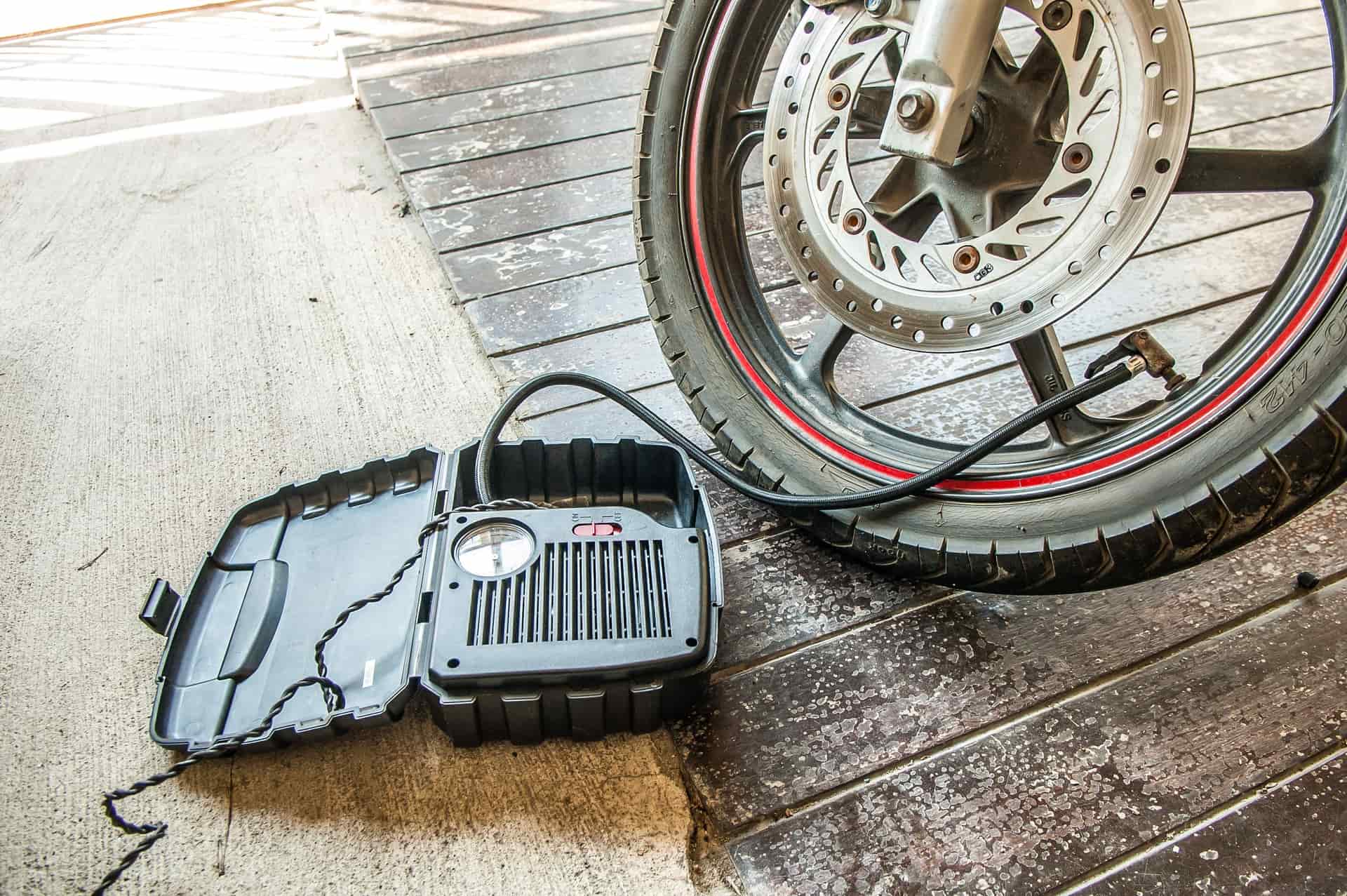
What changes between 25, 28 and 32 mm, why rim width alters the tire you fit, and the published 5 bar hookless pressure ceiling.
Read the full guide →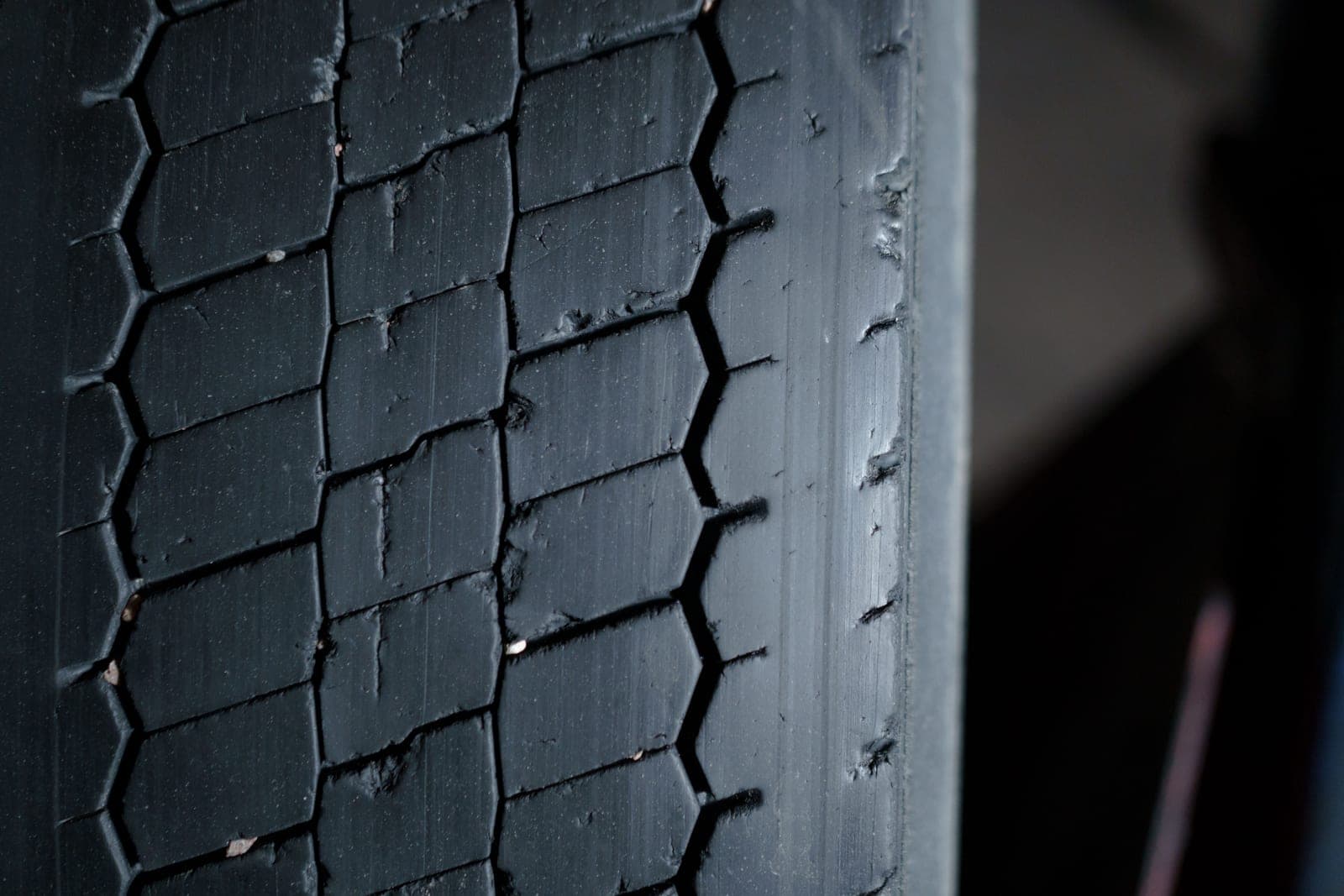
Schwalbe's published wear limit, mileage ranges by tire family, the T.W.I. markings, how to tell fatigue cracks from ageing cracks, and how long a tire keeps in storage.
Read the full guide →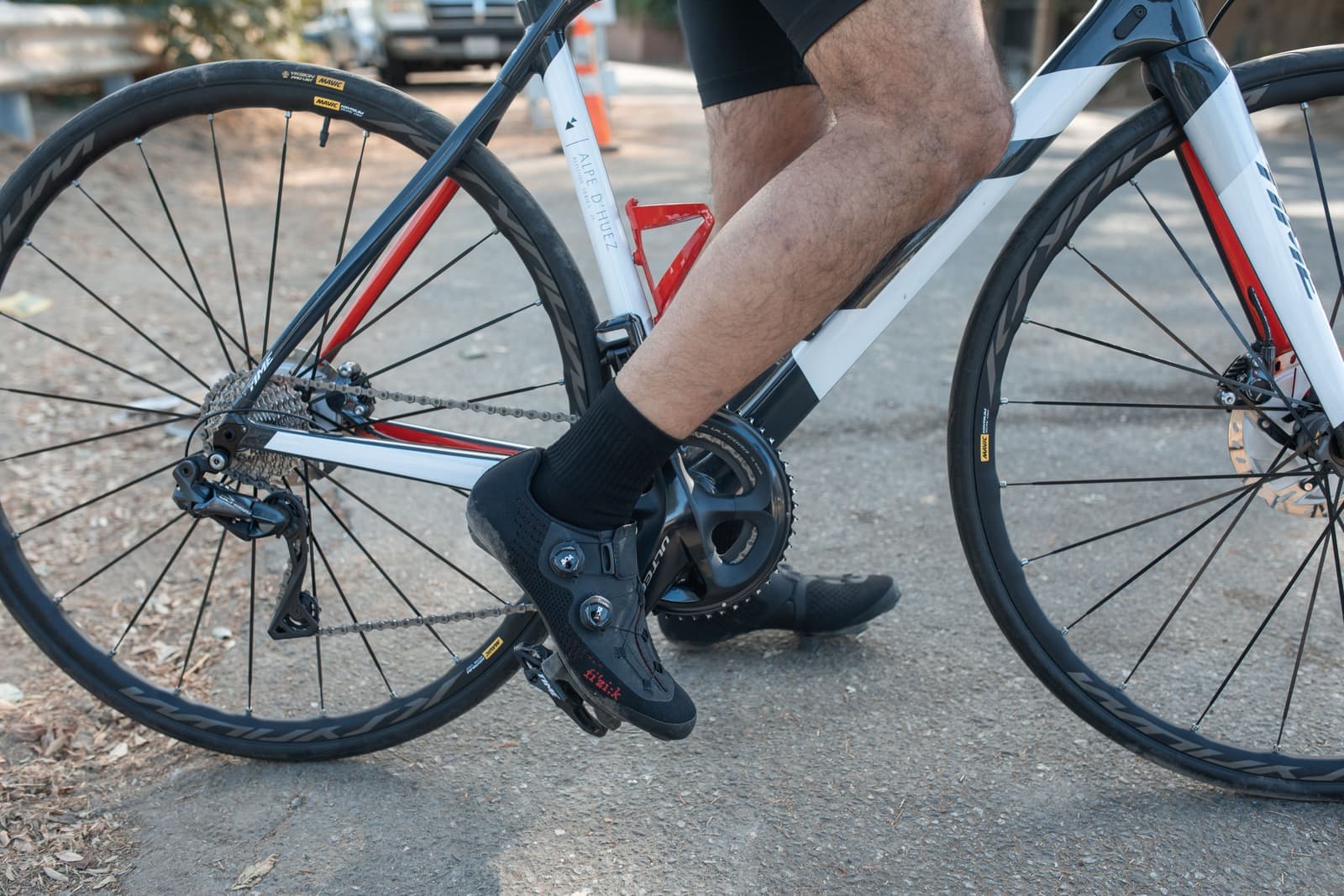
Fore-aft, lateral and angular — the three axes Shimano's cleat channels allow, plus the 0, 2 and 6 degree float options and which pivot point each uses.
Read the full guide →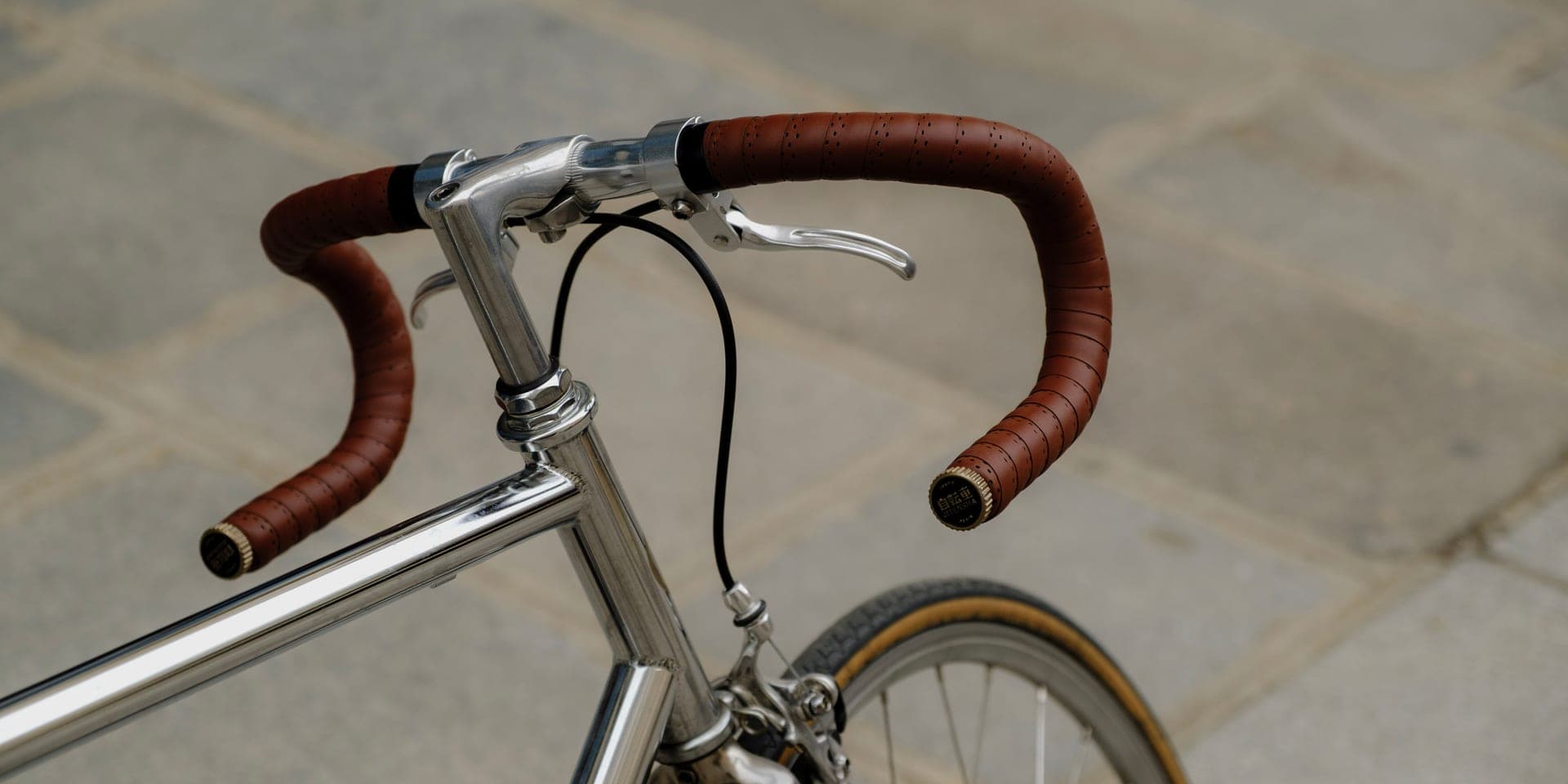
Park Tool's published procedure: bar end upwards, right clockwise and left counter-clockwise, about half the tape on bare bar, direction reversed above the levers, cut square and finish at the bottom.
Read the full guide →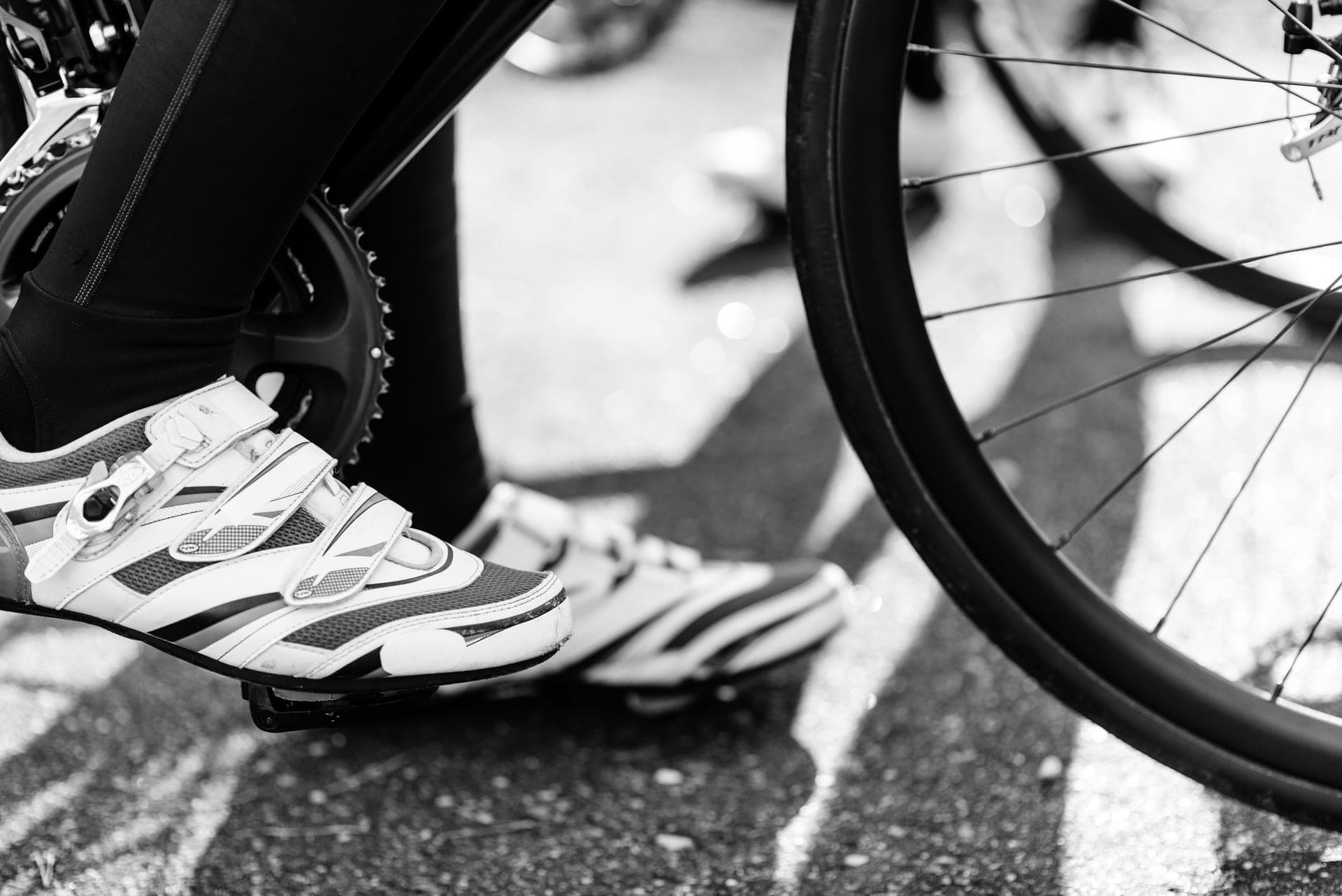
Twist the heel out, not lift the foot up. Shimano's published 13-degree SPD clip-out, the multi-release cleat that helps beginners, and the four places people actually fall.
Read the full guide →
Set it on knee angle while pedalling, not a percentage of your inseam. The published tolerance is wider than you think, and low is the error that loads your knees.
Read the full guide →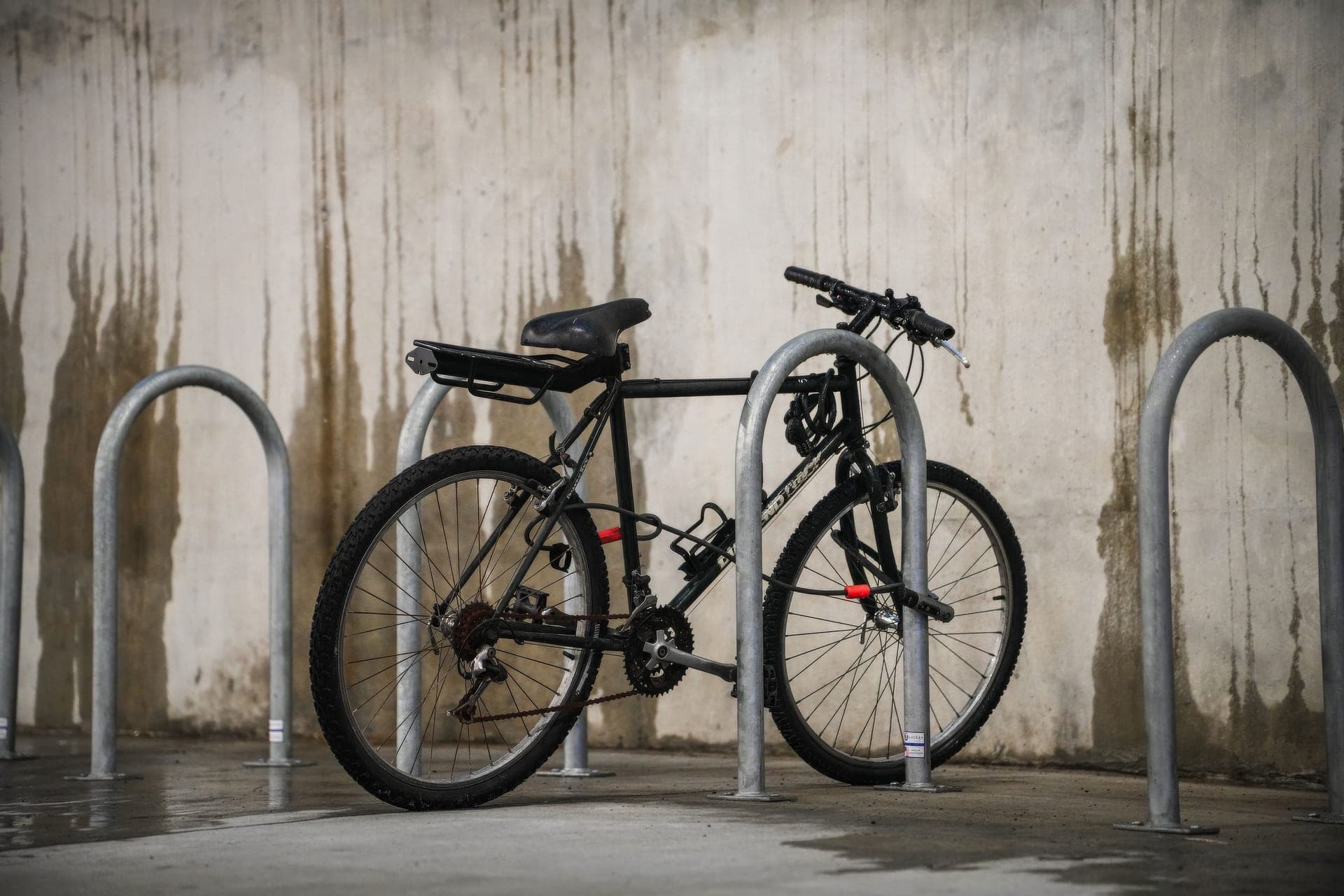
What to put the shackle around, why air inside a U-lock is the enemy, how to handle quick-release wheels, and what to do when there is nothing to lock to.
Read the full guide →Fewer than the marketing implies, and it’s the wrong question. For being seen in traffic, a couple of hundred lumens flashing is plenty. For lighting an unlit road at speed you need real output, but beam shape matters more than the headline figure — lumens explained.
For most riders, honestly, a phone is fine. A dedicated computer wins on battery life, screen visibility in sun, and not destroying your phone in the rain. That’s the real list — compared properly here.
Lower than the number molded on your tire’s sidewall, which is a maximum and not a recommendation. The right pressure depends on your weight, tire width and surface — inputs only you have. The mechanism is here.
In the wet, unambiguously. Otherwise it’s a trade against weight, cost and simplicity — and the market has already decided, so a new road bike is a disc bike whatever you conclude. The comparison.
We can’t tell you, and neither can anyone else — it depends on the width of your sit bones and the shape of your pelvis. What we can do is explain what to measure and what the features actually do: how to choose a bike saddle.
We haven’t tested any of the products in this hub, and we don’t pretend otherwise. Read how we research — it explains what we do instead, and why we think it’s more useful than a score.