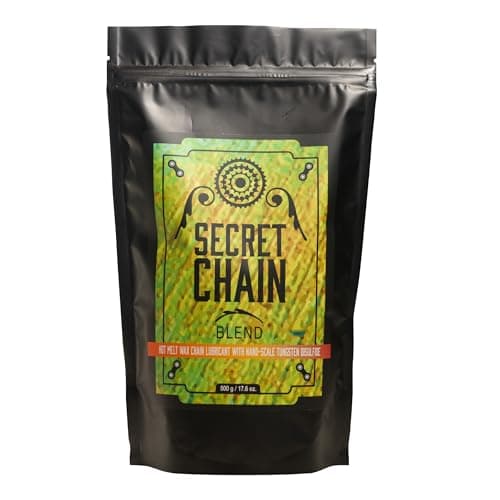
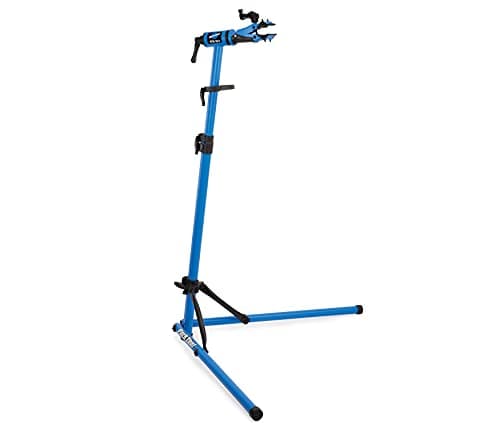
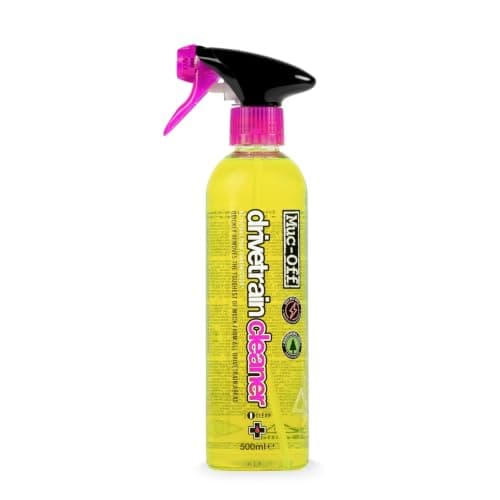
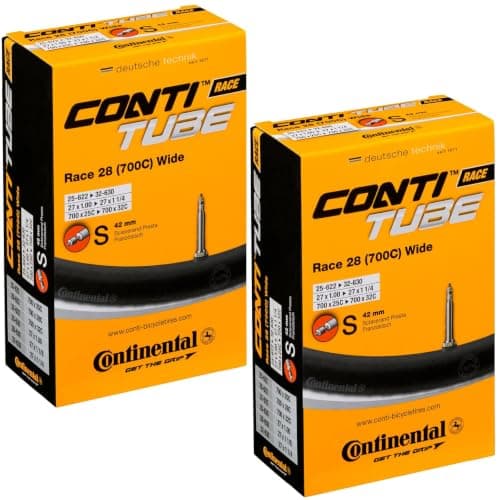
Best chain lube
The Best Bike Chain Lube
Wax vs dry vs wet, the published wear data behind the claims, and live cost per milliliter across seven bottles.
Maintenance
The cheapest performance upgrade on any bike is a clean drivetrain. This is the hub where we show the working.
The cheapest performance upgrade available on any bicycle is a clean drivetrain. It costs about twenty minutes and a bottle of lube, it makes the bike quieter and faster, and it multiplies the life of parts that cost real money. Nothing you can buy comes close on return.
Which makes this the hub where the arithmetic is most worth doing, and where almost nobody does it. The lube category in particular is argued about endlessly on price and brand, and the bottles range from 4 oz to 32 oz — one is even a two-pack — so the shelf price tells you nearly nothing. We divide it out for you, live, in the chain lube roundup.
Chain wear. A chain stretches as it wears, and a stretched chain reshapes the teeth of your cassette to match. Replace the chain at the published threshold and you keep the cassette; run it past and you buy both. The tool that measures it costs less than a takeaway and pays for itself the first time you use it.
This is the whole site’s thesis in one component: it’s a published threshold, a cheap gauge, and a decision anyone can make correctly with no opinion involved. See when to replace a bike chain.
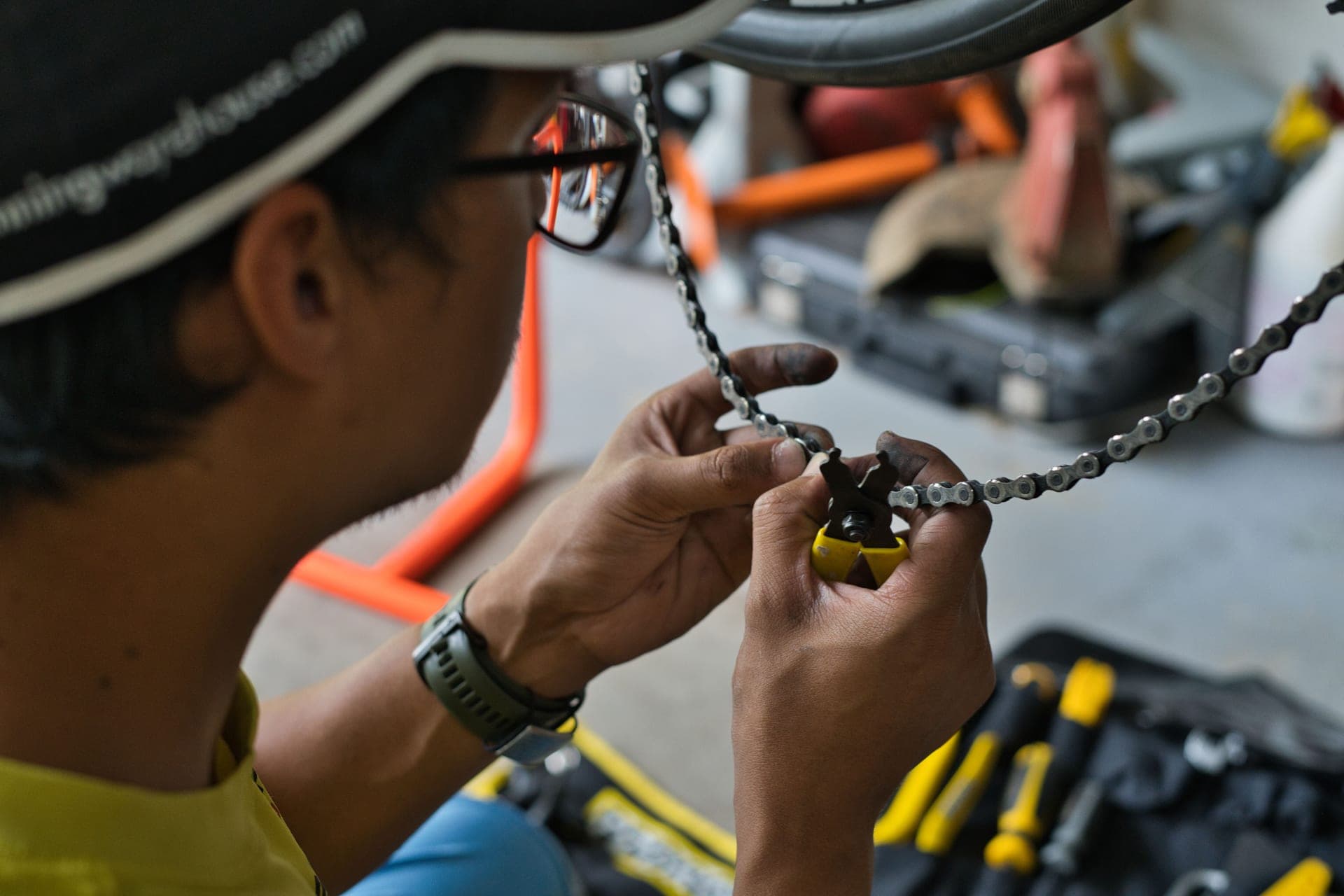
Acting on that threshold needs one more tool, and it is the one people buy wrong. Chains got narrower every time the industry added a sprocket — Park Tool publishes 5.3 mm across the rivet at 12-speed against about 7 mm at 6, 7 and 8 — so a chain tool is bought on published compatibility, not on price. The chain tool roundup ranks nine of them on exactly that, and explains why a lot of riders need master link pliers instead.
We don’t test products, and on roundup pages that’s a limitation we’re upfront about. But the how-to guides here are different — they’re not about products at all. They’re about procedures Stephen has genuinely done many times, on his own bikes, and they’re where the lab-backed competitors are thinnest. A dynamometer doesn’t help you explain why the wax won’t stick to a factory-greased chain.
Start with cleaning a chain and fixing a flat. Between them they cover most of what actually goes wrong — and the second one only works if the spare in your bag is the right size, which is what the inner tube roundup is for.
Run tubeless and there is a second fluid to keep track of, and this one expires. Every maker that publishes a service life publishes one shorter than a riding season — from one to four months at the honest end to seven at the optimistic end — and a tubeless tire with no liquid left in it is strictly worse than a tube, because it has no tube either.
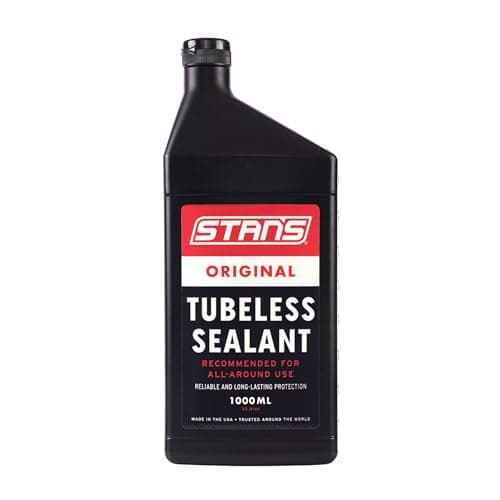
The number that decides whether sealant works at all is how much of it is in the tire, and the published dose for a 28 mm road tire ranges from 30 ml to 90 ml depending on whose bottle you bought. The tubeless sealant roundupranks ten of them on exactly that — the dose and the service interval each maker will print — and flags the published pressure ceiling road riders should check before anything else.
Two of those bottles are the ones you will actually be offered, so they have their own head-to-head: Stan’s versus Orange Sealfinds both brands publishing the same quarter-inch puncture ceiling and only one of them publishing a dose per tire width or an inspection interval. The hub also now covers the one job on a bicycle with a left-hand thread on one side — removing and installing pedals, published at about 360 inch-pounds, which is roughly 40 Nm.
Two added on 17 October 2026. Drip wax versus hot melt waxis the method question behind the wax roundup, and the audit is stark: both hot melts publish a melting temperature and a mileage interval, and not one of the three drip waxes publishes either — so the convenient option is the unspecified one. How to change disc brake pads is the procedure the pad roundup assumed you could already do, and it leads on fitment rather than on technique, because pad shape is caliper-specific and buying the wrong shape is the only mistake in that job that costs you a day.
Heads up: we earn a commission if you buy through the links on this page, at no extra cost to you. It never decides what makes the list — here’s how that works.
Our picks, with the live price on the card. No need to click through unless you want the reasoning — and you should want the reasoning.
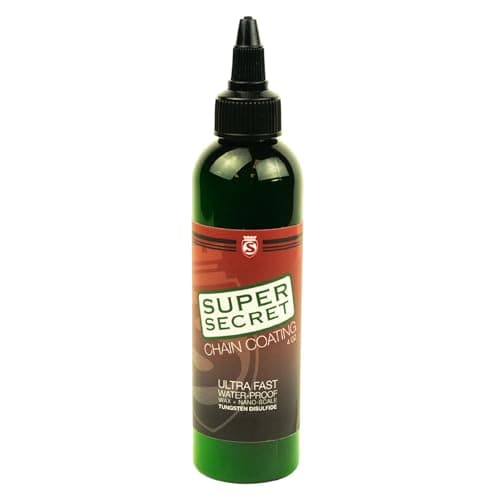
Best chain lubeWax vs dry vs wet, the published wear data behind the claims, and live cost per milliliter across seven bottles.
 Best multitool
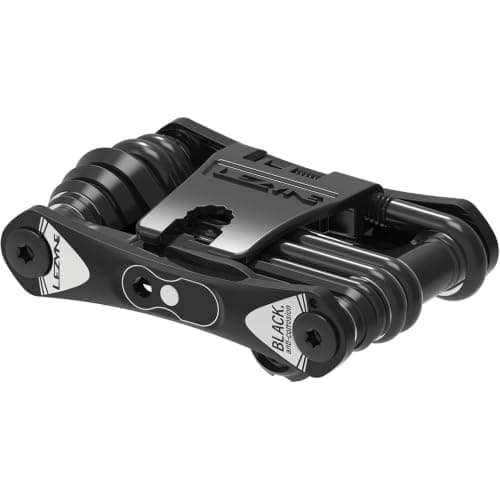
Why function count is a vanity metric, the four tools that actually get you home, and what each listing refuses to publish.
 Best bike chain tool
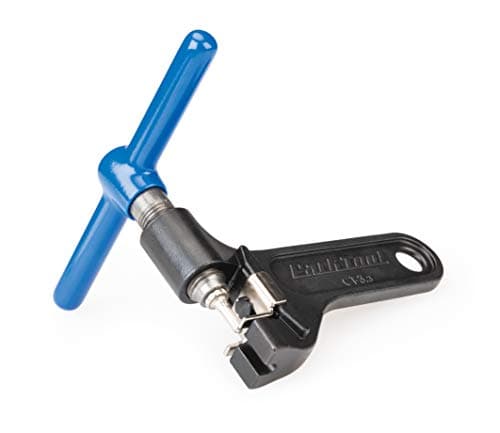
Nine tools ranked on published compatibility rather than feel: which speed counts each maker names, which name SRAM Flattop and T-Type, and which riders need master link pliers instead of a breaker.
 Best home workshop kit
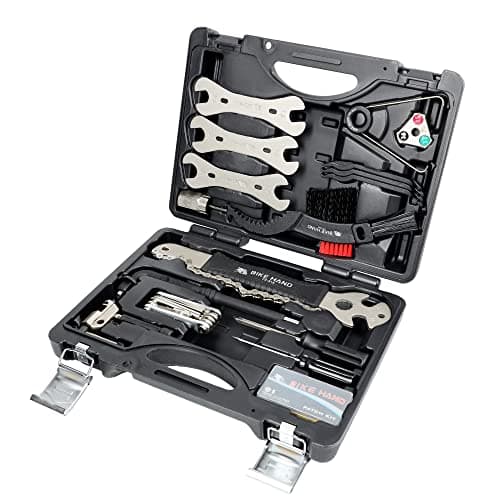
Four bench tools that each stop you paying a shop, ranked on published specs — and the 14 Nm ceiling that quietly decides which half of your bike you can work on.
 Best floor pump
Floor pumps and a travel pump compared on published max pressure and chuck type — plus the charge-chamber pump that seats tubeless tires without a compressor.
Our top pick
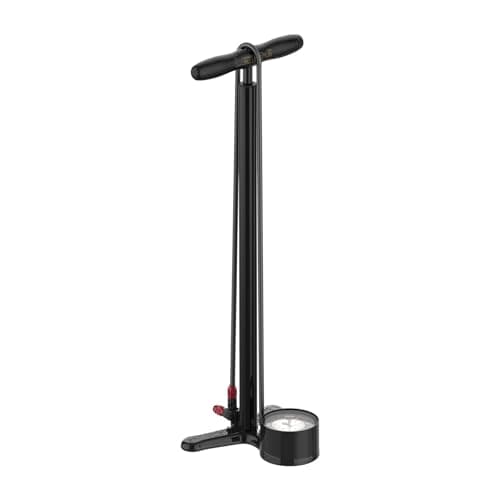
Lezyne Classic Floor Drive
No buyable offer right now — the link still shows the current listing.
 Best chain wax
Immersion versus drip wax, with each maker's published temperatures and re-wax mileages — and live cost per milliliter across the drip bottles.
 Best repair stand
Published weight capacity, clamp design and folded size across six stands — including which ones a heavy e-bike rules out.
 Best bike degreaser
Solvent and biodegradable degreasers plus the scrubbers that deliver them — and Shimano's published instruction to keep all of it off your rotors and pads.
 Best inner tube
Butyl, TPU, latex and sealant-filled tubes compared on published ETRTO ranges, valve types, valve lengths and weights — including the ones that publish nothing.
 Best tubeless sealant
Sealant ranked on published dose and published service life, because nobody publishes a sealing test. Includes the pressure ceiling road riders should check first.
Cost per milliliter, not cost per bottle.Chain lube bottles here run from 4 oz to 32 oz and one listing is a two-pack, so the headline price is close to meaningless. Divide the live price by the volume printed on the listing and the ranking changes completely — the cheapest bottle on the shelf is rarely the cheapest lube.
We do that division live on the chain lube page, from the current Amazon price and the manufacturer’s published volume. Nobody else in this category publishes it. What we deliberately don’tpublish is cost per application — the number you actually want — because no manufacturer publishes applications per bottle, and we’re not inventing a denominator to fill a column.
The comparisons people actually search for, settled as far as they can honestly be settled.
Wet, dry and wax compared by mechanism — plus the conflict of interest inside the wear data everyone cites.
Read the full guide →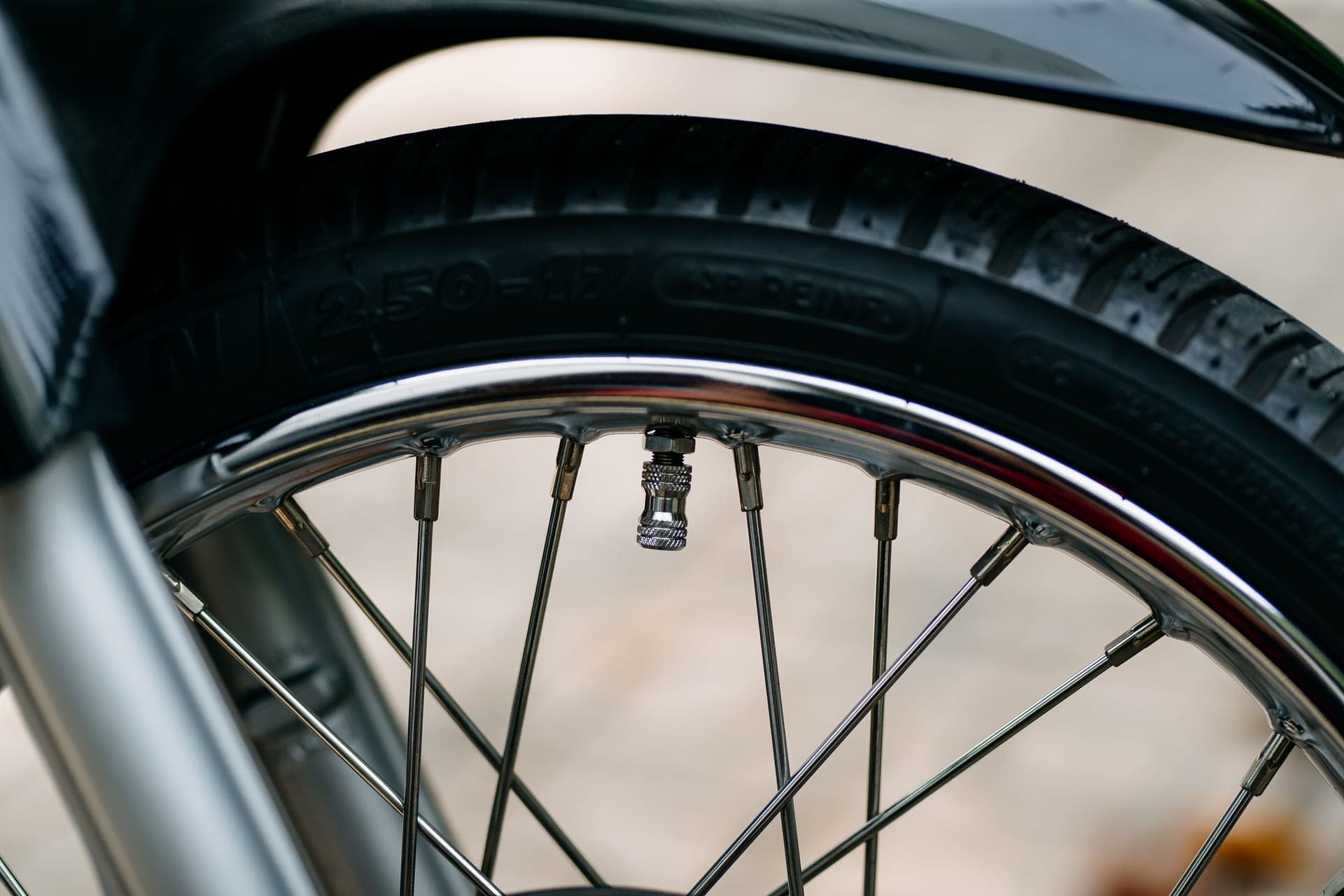
Why tubeless wins on gravel, why it's a chore on a commuter, and the sealant maintenance the pitch leaves out.
Read the full guide →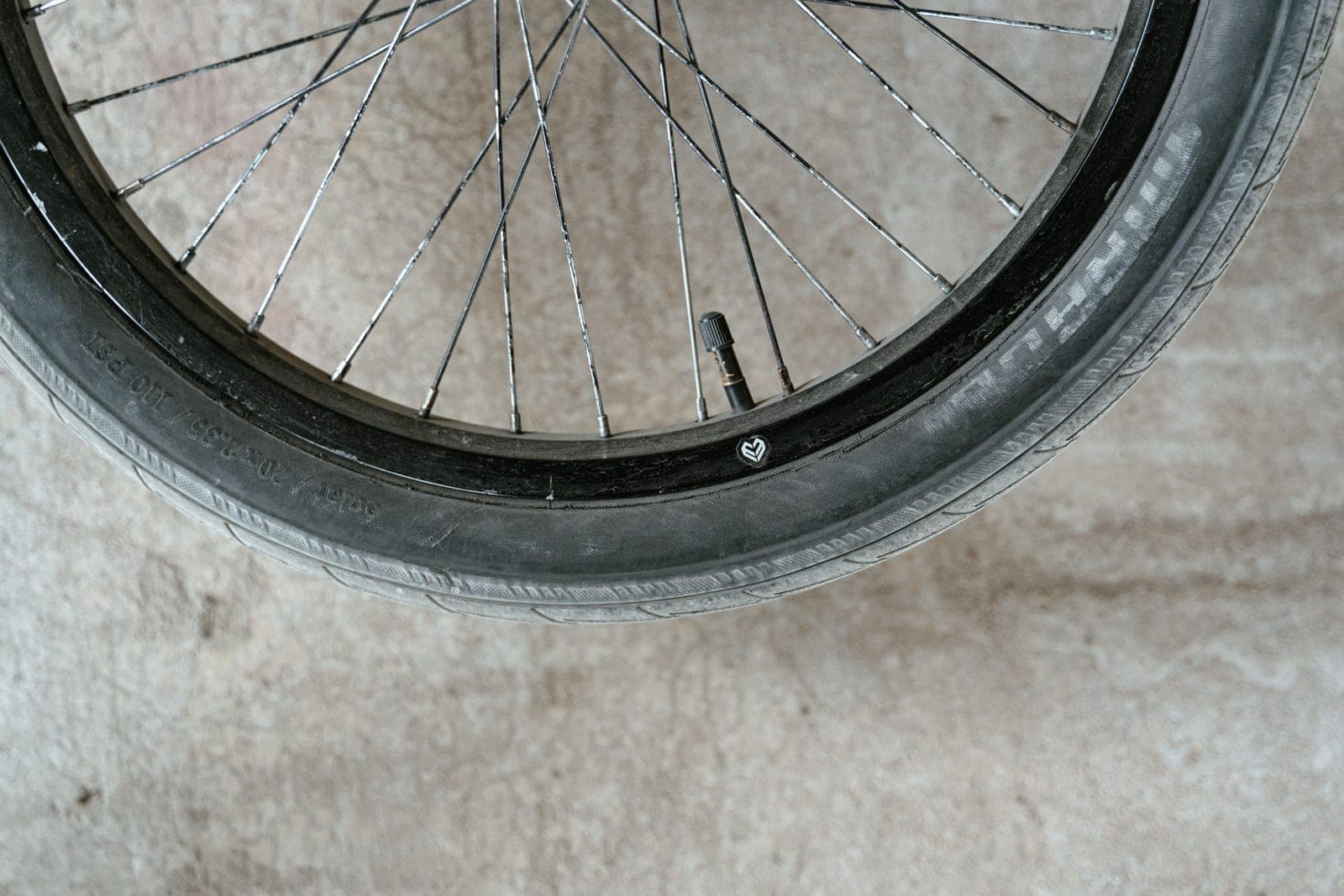
The 6 mm valve and the 8 mm valve, what each rim can take, when drilling is allowed and when it is not, and the adapter that only works one way.
Read the full guide →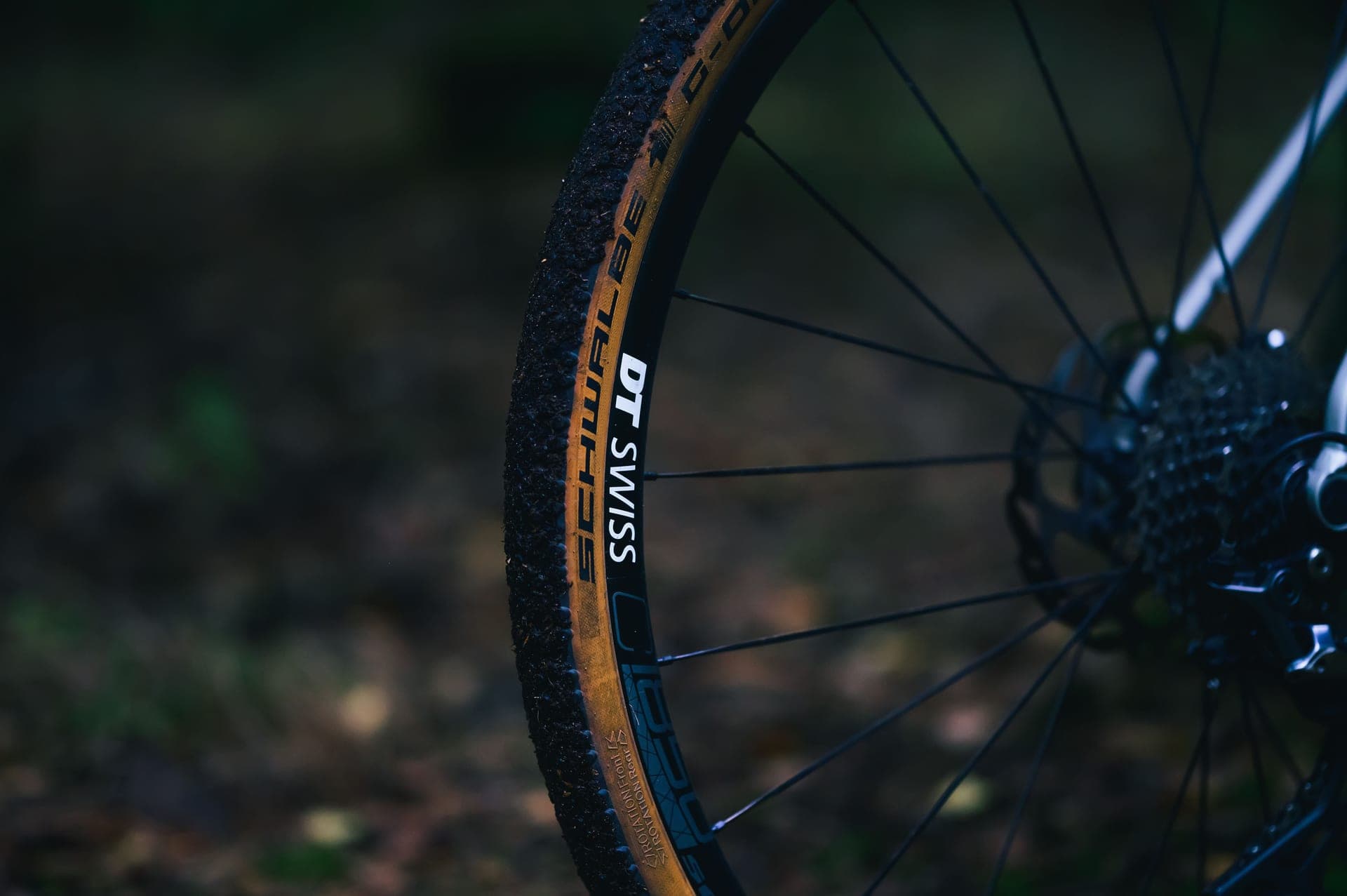
Same 1/4in hole ceiling from both makers. Stan's publishes a dose per tire size, a 2-7 month liquid life and a 2-3 week Race inspection interval; Orange Seal publishes adjectives.
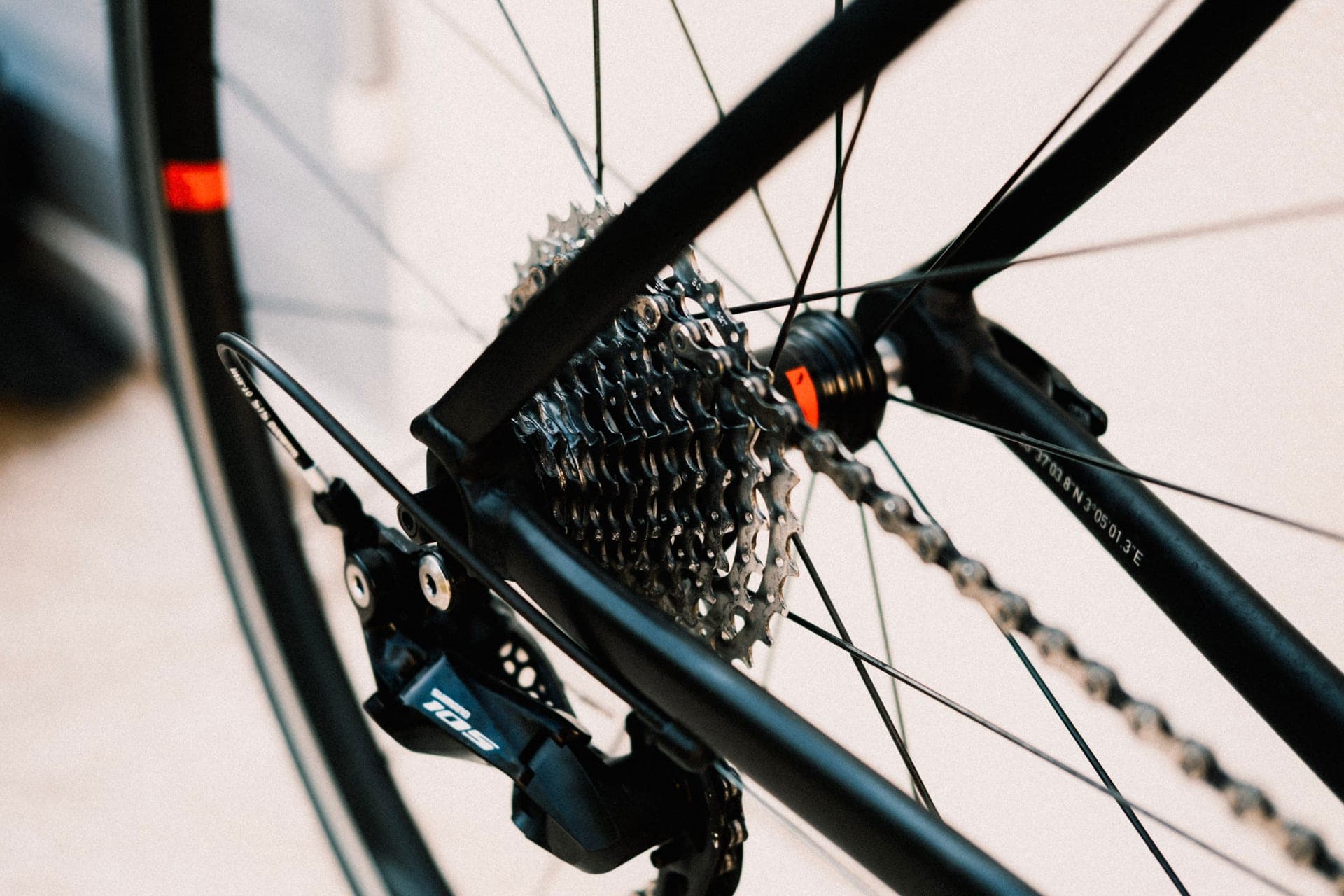
Hot melt publishes temperatures and mileage intervals; the three drip waxes publish a volume and an adjective. The method comparison, with what each side actually commits to.
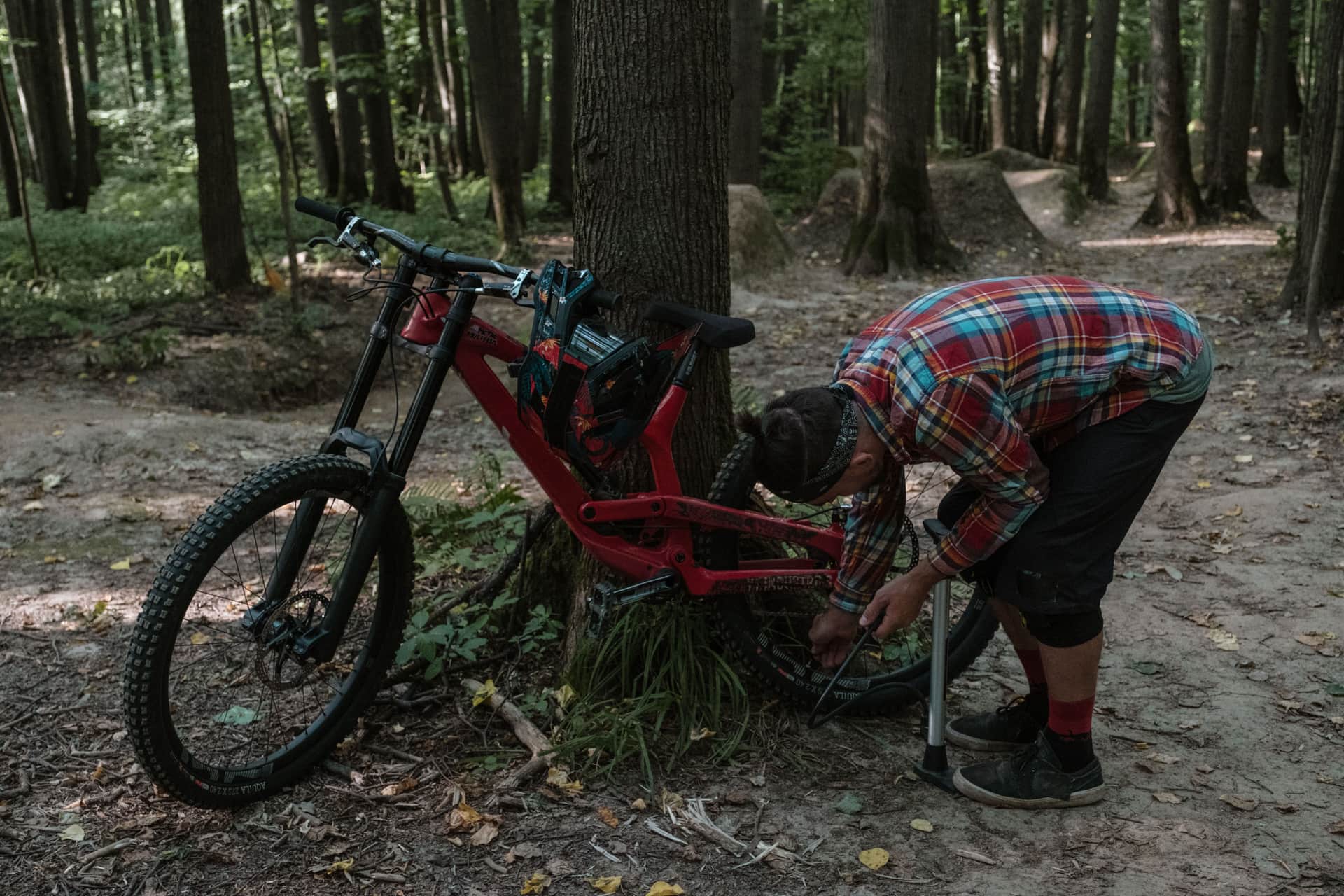
Why a floor pump, a mini pump and a CO2 cartridge are three different tools — set-pressure, get-home, and one-shot patch — not three answers to the same question.
Read the full guide →The mechanisms behind the choices, so the next decision is yours rather than ours.
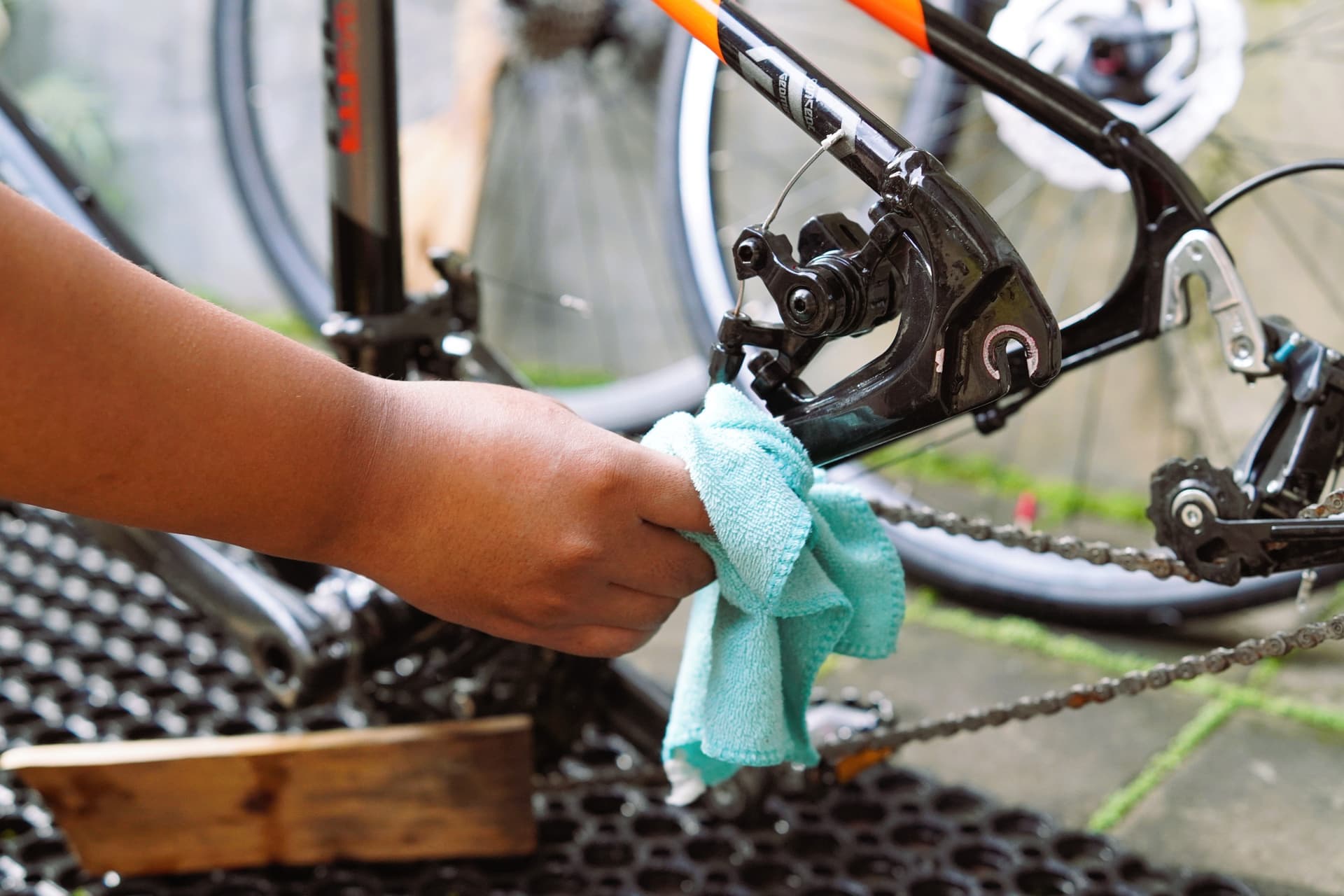
The rag, the scrubber and the full strip — what each achieves, how long each takes, and the step that ruins wax.
Read the full guide →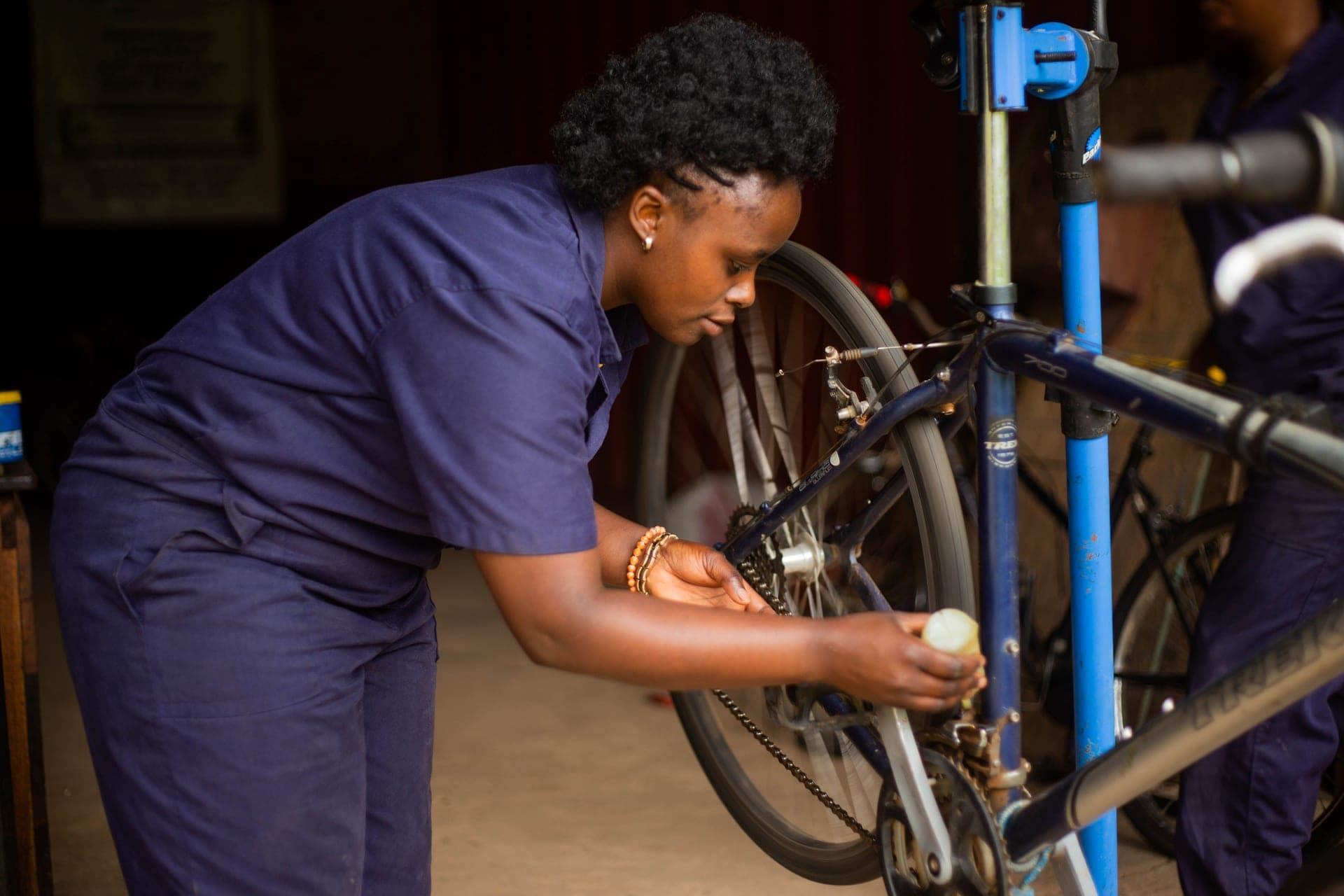
The published 0.5% / 0.75% / 1% wear thresholds, how to measure them, and what ignoring them costs you.
Read the full guide →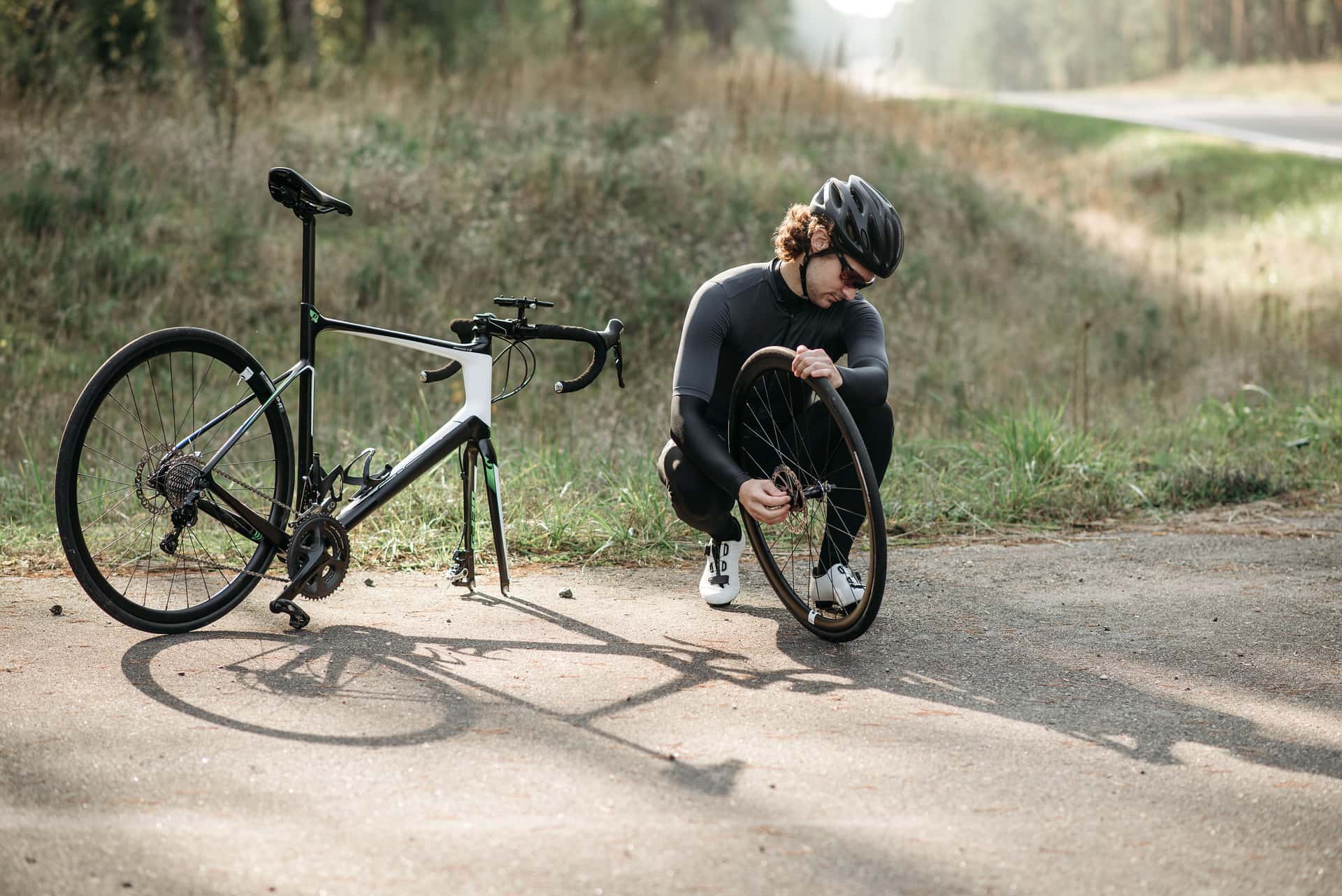
The roadside tube swap, step by step — including the diagnostic step that stops it happening twice.
Read the full guide →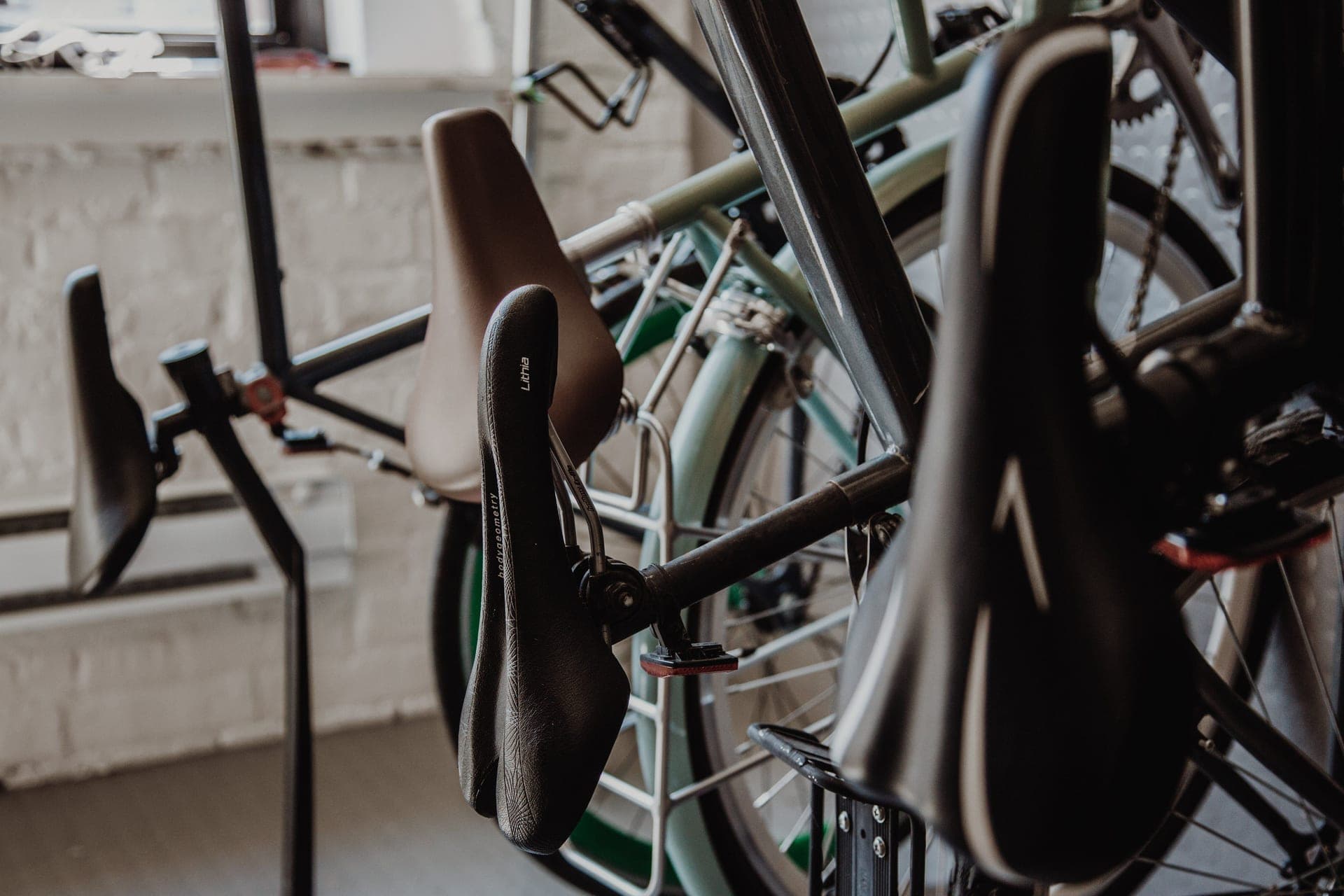
The fifteen-minute prep that stops a stored bike rusting, flat-spotting and fading — plus where to hang it and how to store an e-bike battery.
Read the full guide →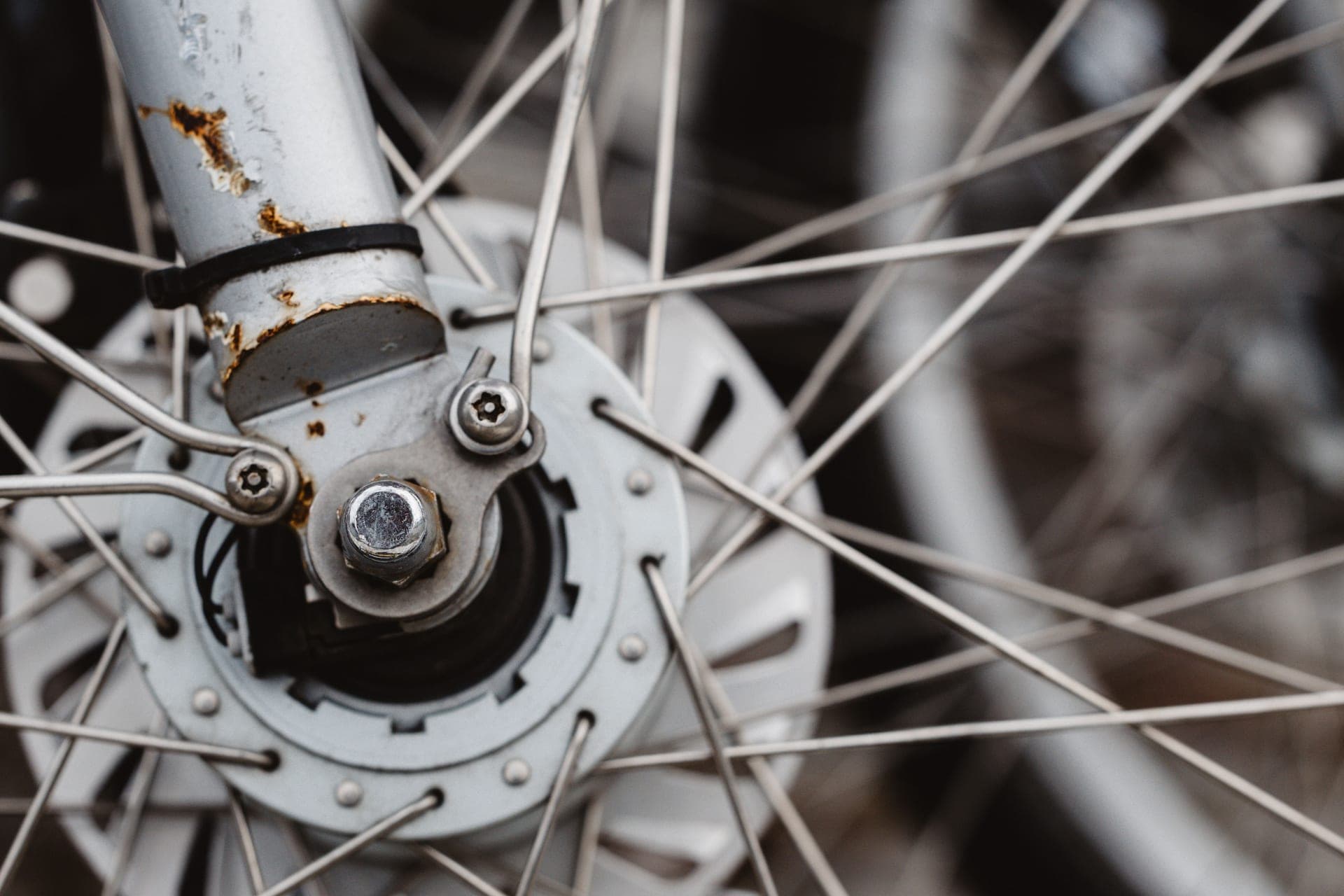
Truing is tension work, not metal-bending: which way the nipple really turns, why you work in eighth-turns, and the faults that belong in a shop.
Read the full guide →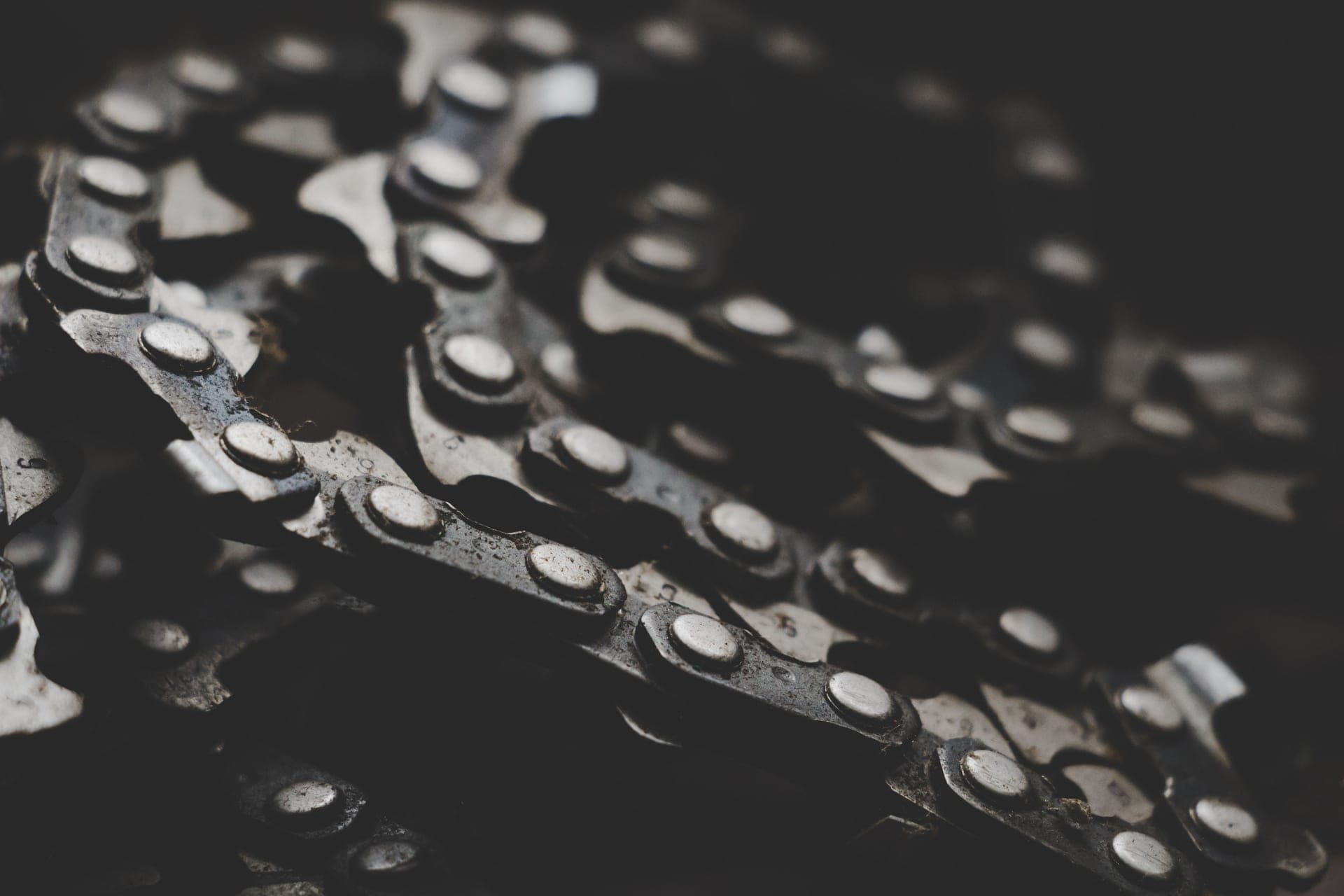
The full waxing sequence — strip, melt, dip, cool, break free — with Silca's and Molten Speed Wax's published temperatures and intervals kept separate.
Read the full guide →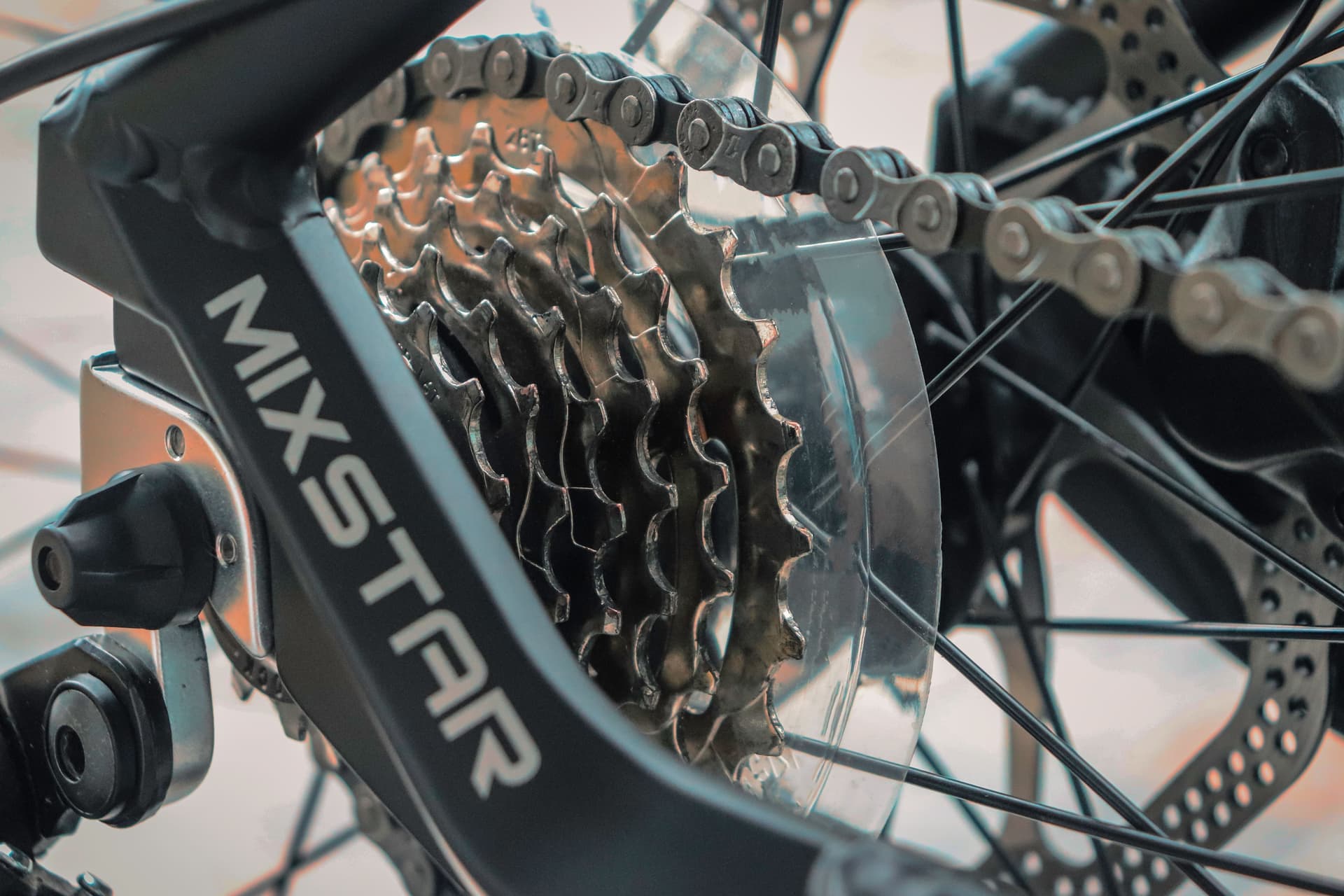
Why Shimano warns against acid rust cleaners on chains, what to use instead, and how to tell surface rust from a chain that belongs in the bin.
Read the full guide →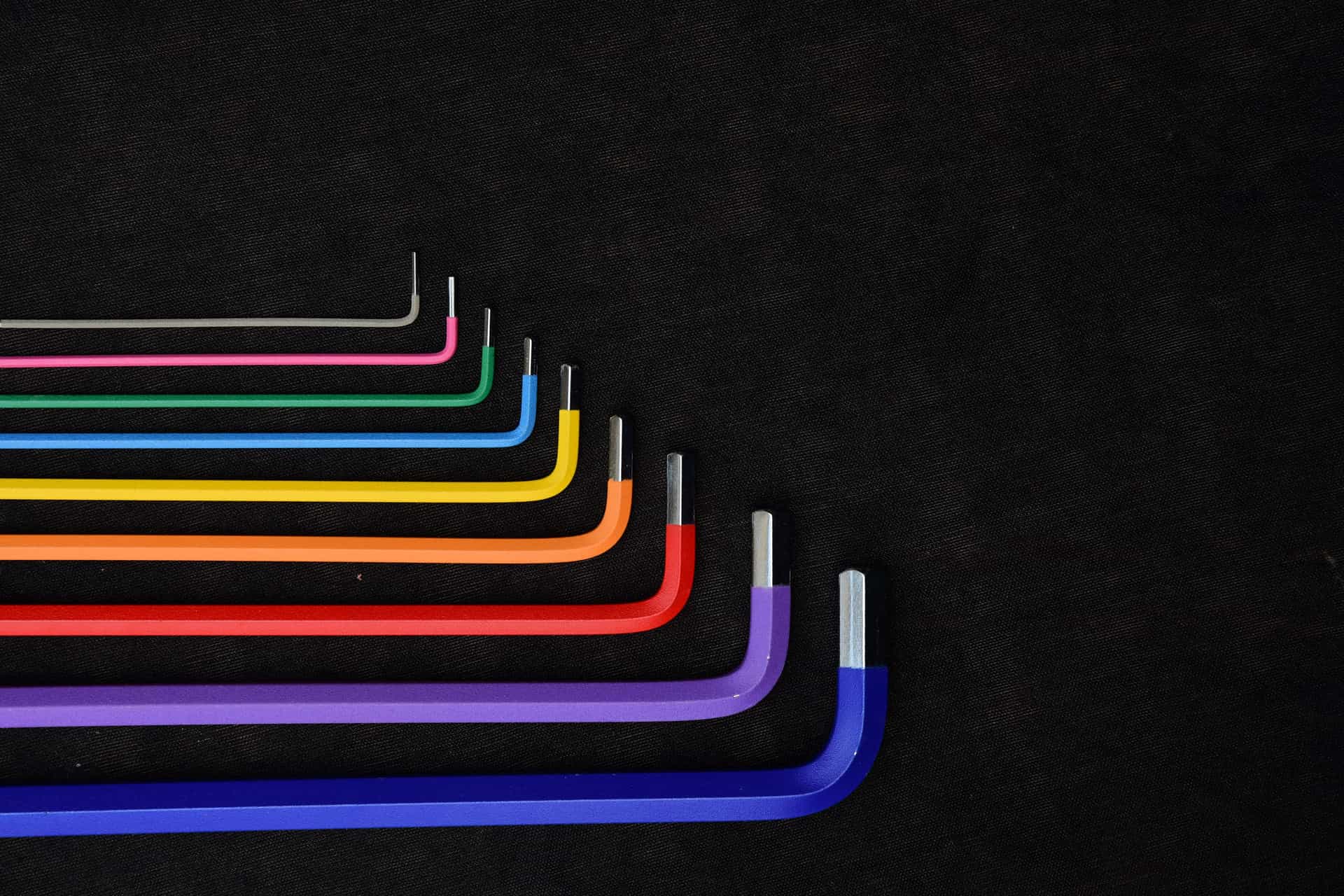
Published torque figures by component with the brand that published each one, the technique rules Park Tool prints, and the range no home wrench reaches.
Read the full guide →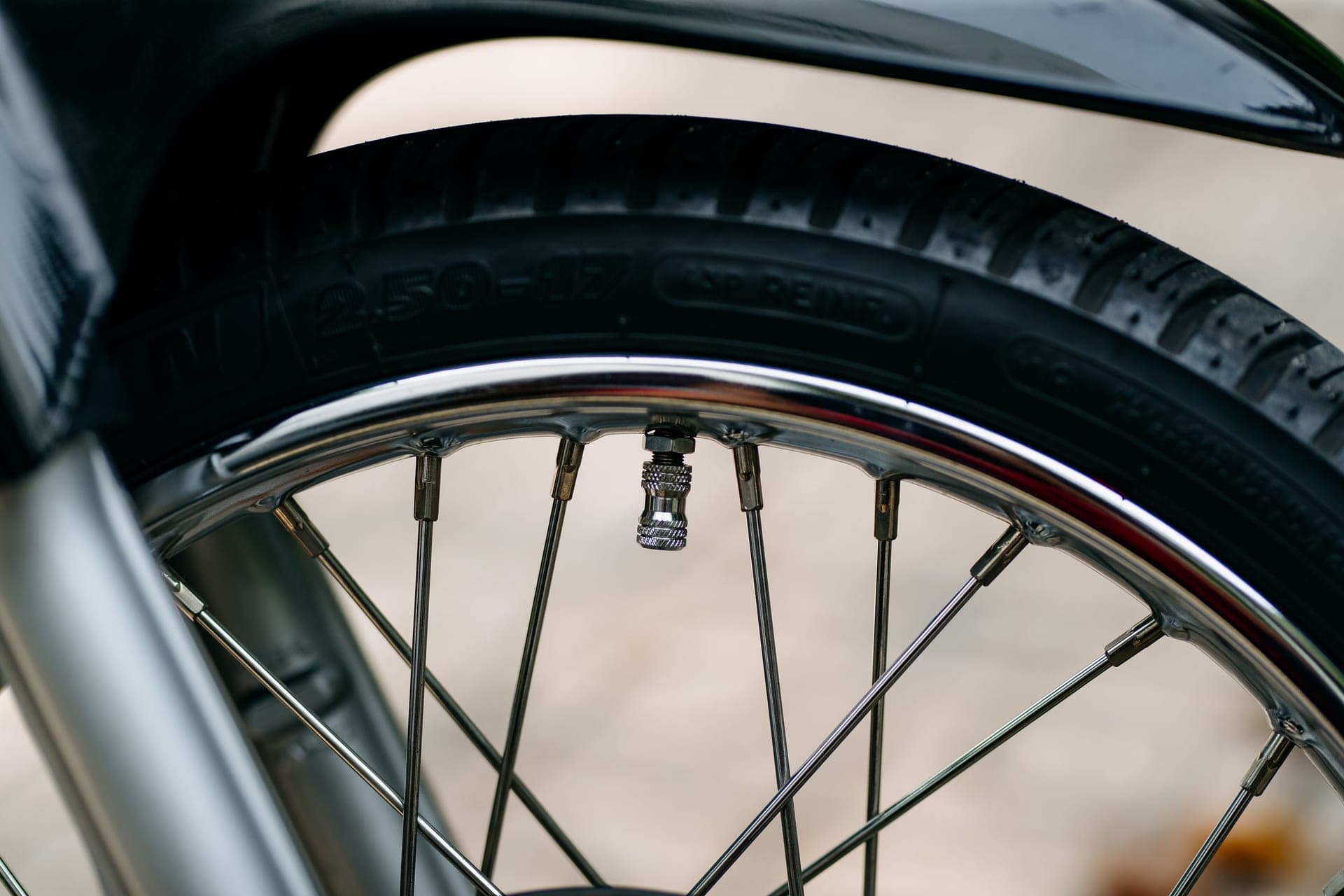
The escalation ladder — sealant, plug, boot, tube — with Stan's published plug limits and its warning about leaving CO2 in a tubeless tire.
Read the full guide →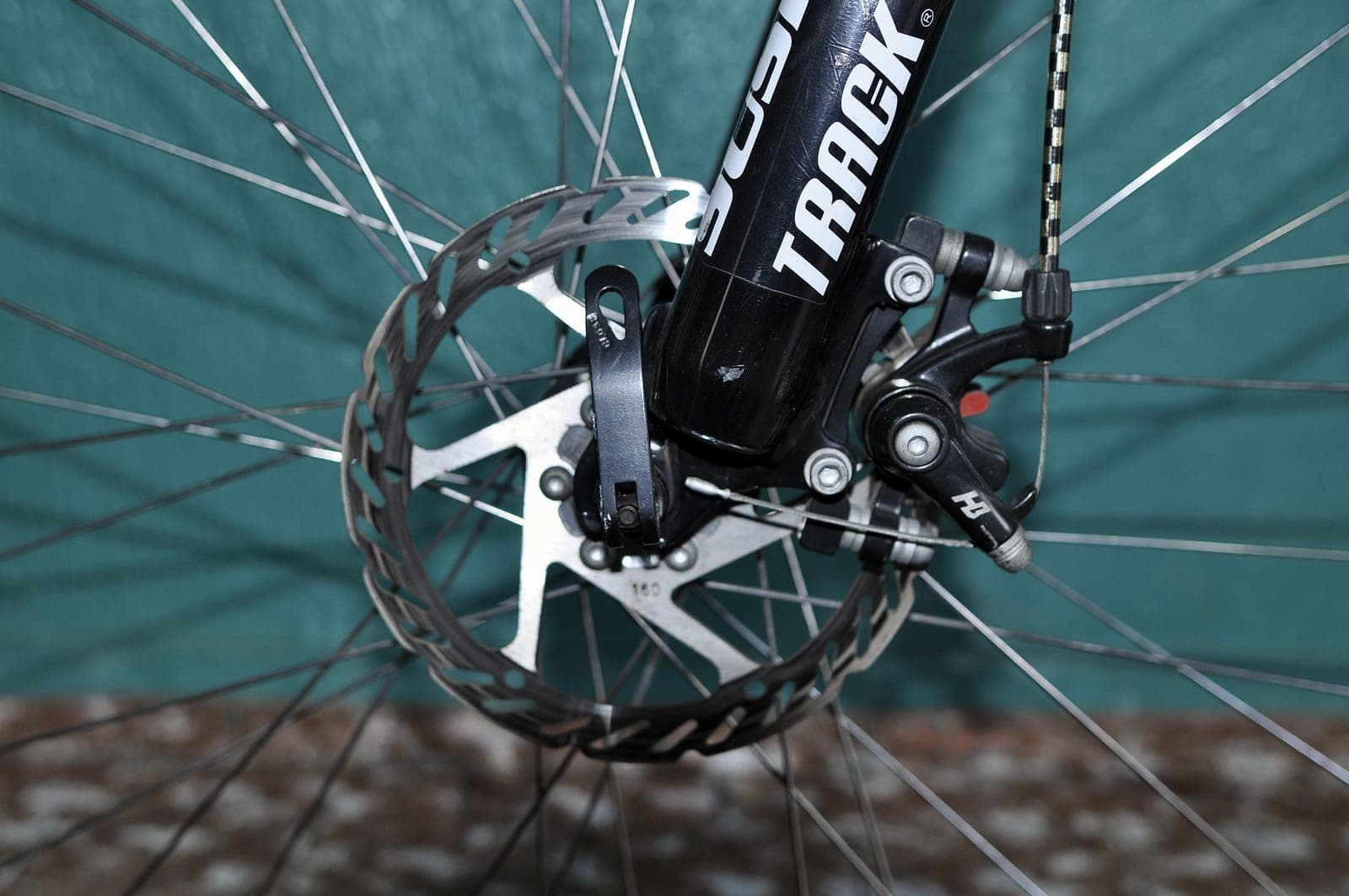
Diagnosis by when the noise happens: only when braking, all the time, only in the wet, or only since the pads were new. Park Tool's alignment procedure and Shimano's cleaning rule.
Read the full guide →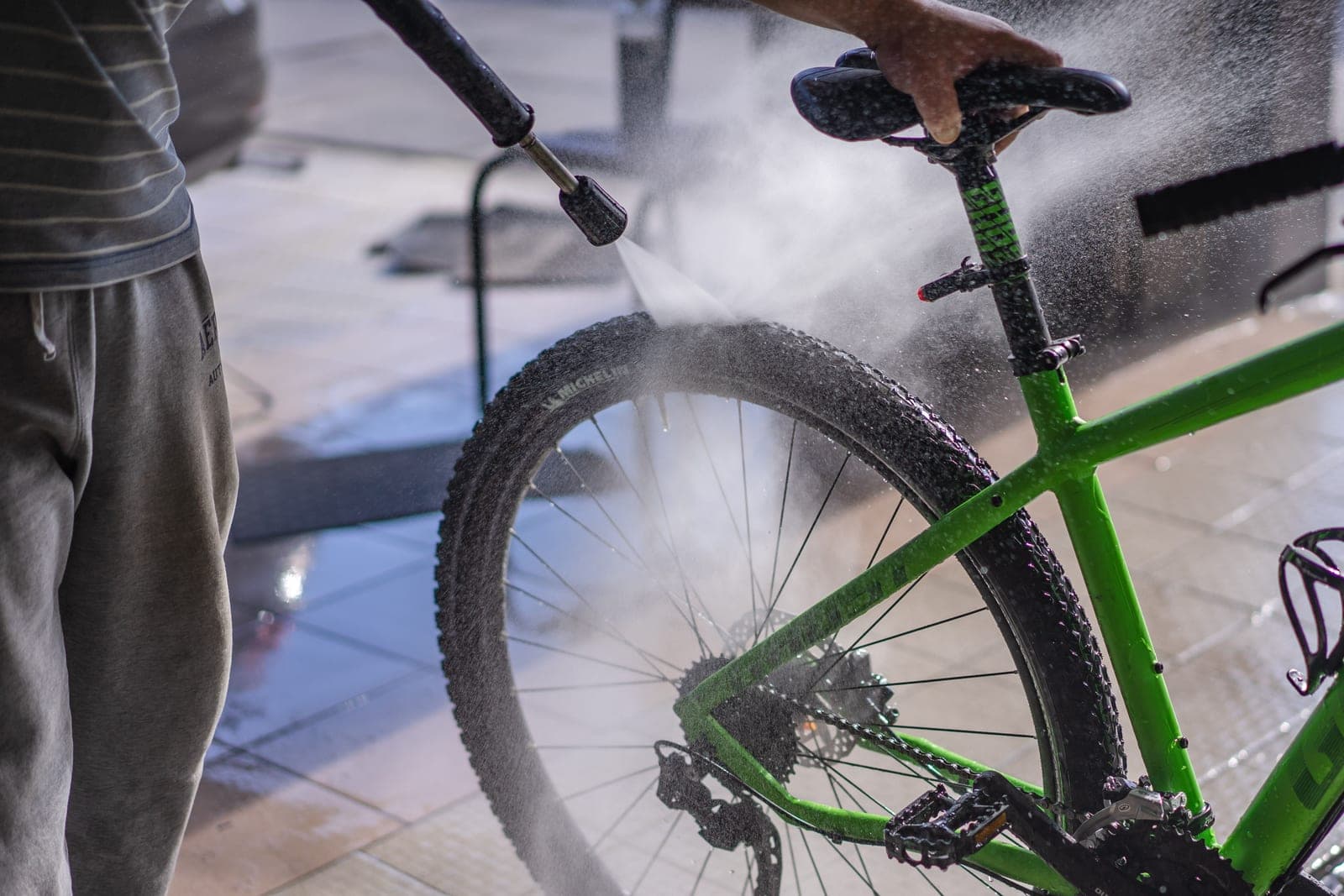
The whole-bike wash in Park Tool's published order — drivetrain, frame, wheels, re-lube — plus the disc brake rule that stops a clean bike becoming a pad purchase.
Read the full guide →
A ten-row schedule where seven rows carry a published figure and three are marked as convention — chain elongation, 1 mm pads, rotor thickness, Schwalbe's tire limits.
Read the full guide →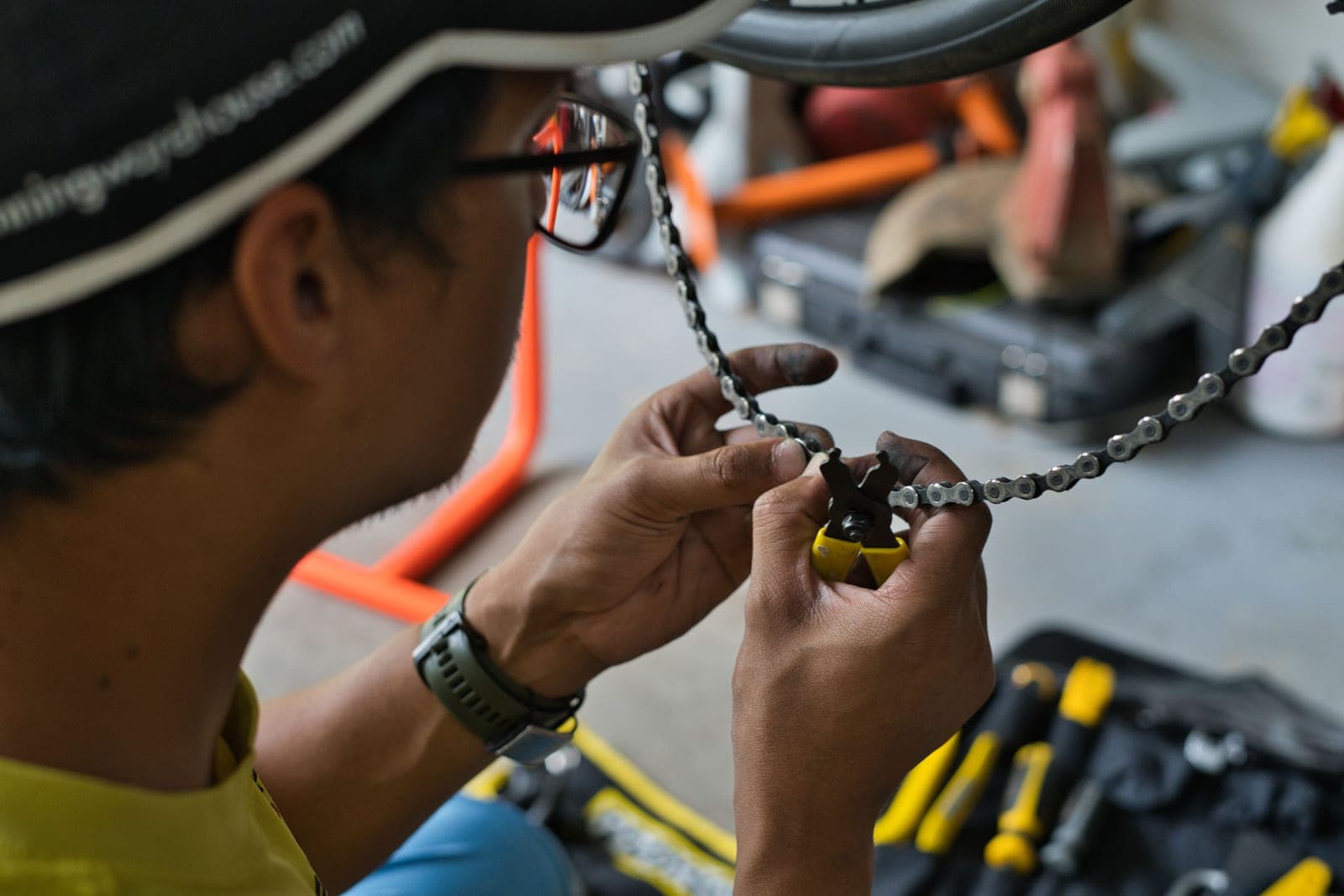
Park Tool's published chain replacement method: the length confirmation test, both joining systems, the direction to drive the rivet and the tight-link check at the end.
Read the full guide →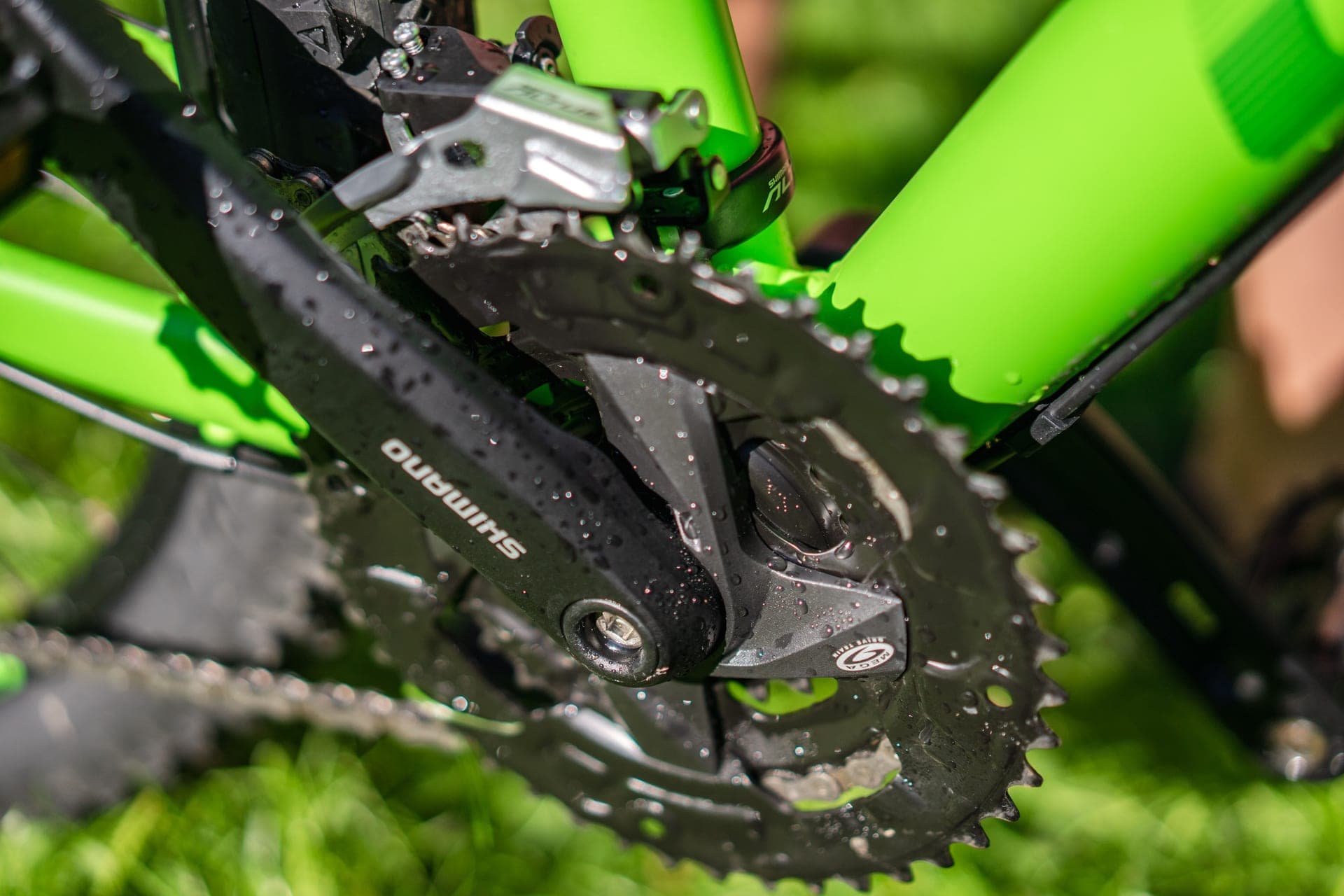
Right pedal counter-clockwise off, left pedal clockwise off, both pedalling forwards to loosen. Park Tool's procedure, the thread-slope trick for unmarked pedals, and the published torque figure.
Read the full guide →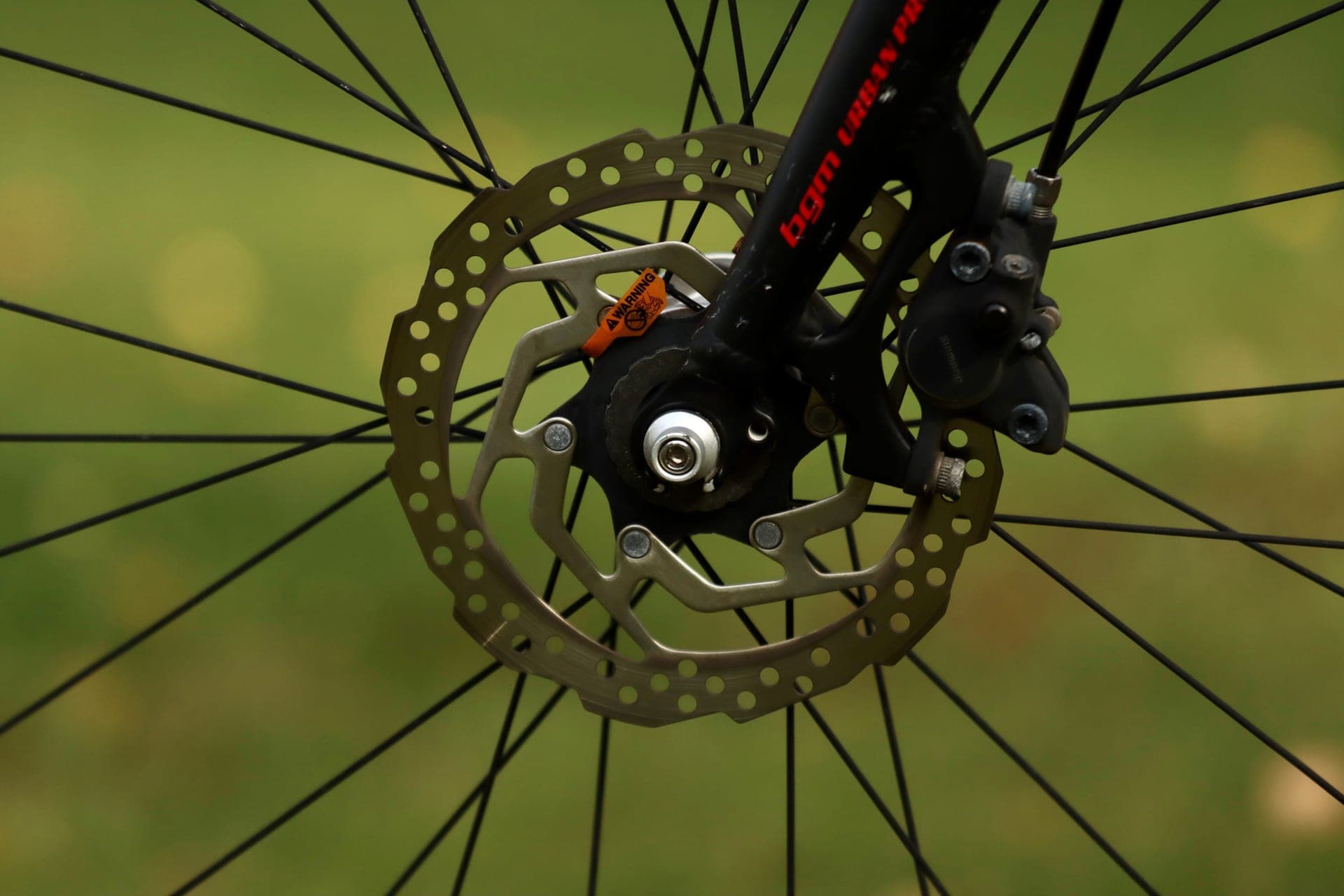
Which pad shape fits which caliper, how to reset the pistons without damaging them, the alignment step everyone skips, and how to bed new pads in.
Read the full guide →The honest test is your ears and your fingers, not a schedule: if it’s audible, it’s dry; if a finger comes back with black paste, it needs cleaning before it needs lube. The procedure.
It depends on your weather and whether you’ll degrease properly — wax on a dirty chain is worse than nothing. We rank seven of them on published data and live cost per milliliter in the lube roundup.
Not the original can — it’s a water displacer and will strip your chain. WD-40 also makes an actual bike chain lube, which is a different product entirely. The confusion is why we rank it last: the lube roundup.
At a measured wear threshold, not a mileage. A cheap gauge tells you, and replacing on time saves the cassette — the thresholds and the math.
On gravel, usually yes. For a commuter who wants to never think about it, usually no — sealant dries out and needs topping up, and a tubeless failure at the roadside is worse than a tube. The honest trade-off.
We haven’t tested any of the products in this hub, and we don’t pretend otherwise. Read how we research — it explains what we do instead, and why we think it’s more useful than a score.