Best e-bike on Amazon
The Best E-Bikes on Amazon
The e-bikes Amazon really sells, ranked on published specs — not the direct-to-consumer brands every other list quietly redirects you to.
Electric
The motor is the easy part. What decides your purchase is the battery, the class, and what the thing actually costs to run — so that's what we compute.
Almost every e-bike buyer starts by comparing motor wattage, which is the least useful number on the spec sheet. Peak wattage is a marketing figure measured for a few seconds under ideal conditions, and two bikes claiming “1000W peak” can behave completely differently. The numbers that decide your experience are the battery capacity in watt-hours, the motor position (hub or mid-drive), and the legal class, which determines where you’re allowed to ride it.
Watt-hours are the honest capacity figure: volts × amp-hours. A 48V 13Ah pack is 624Wh, and that single number tells you more about range than any manufacturer’s claimed mileage — because the claimed mileage was measured by the manufacturer, on the lowest assist level, by a light rider, on flat ground, in good weather. Treat claimed range as the ceiling of physics, not a forecast of your commute.
The brands you’ve heard of — Specialized, Trek, Rad Power, Lectric, Aventon — largely don’t sell e-bikes on Amazon. They sell direct, or through dealers. What Amazon actually stocks is a different, less famous set of brands, and most published “best e-bike” lists quietly ignore that gap because their affiliate links point somewhere else.
We link Amazon, so we’re telling you plainly: this hub covers what Amazon sells. If the right bike for you is a Lectric, buy a Lectric — we just can’t earn from saying so, which is exactly why we’re saying it. What Amazon does offer in return is a returns process that actually works on a 60lb object, which is worth more than it sounds when the alternative is arguing with a direct-to-consumer brand about a damaged pallet.
We haven’t ridden any of these bikes, so we won’t tell you how they feel. What we can do is read every listing’s published specs, tell you which claims are the seller’s rather than facts, and compute the one thing nobody else publishes: what an e-bike actually costs to run, with the electricity rate, its source, and the arithmetic all shown.
Two questions this hub had never answered directly, both added on 11 October 2026: which e-bike for hills, ranked on published rear gear count because the watt figures in this category are not comparable — and the finding that not one of the twelve complete bikes here is a mid-drive — plus whether you actually get exercise on one, which is the rare page in this hub where the evidence is peer-reviewed measurement rather than a product listing.
Two more added on 17 October 2026, both about the objects around the bike rather than the bike. Do you need a helmet for an e-bike separates the legal question from the harder one, and reports the uncomfortable finding that not one of the six helmets this site lists is certified to NTA 8776, the only helmet standard written for e-bikes. And how to transport an e-bikejoins two of this site’s own findings together: the racks that publish a per-bike weight capacity differ by a factor of 2.3, and not one e-bike listing in our catalogue publishes what the bike weighs.
Heads up: we earn a commission if you buy through the links on this page, at no extra cost to you. It never decides what makes the list — here’s how that works.
Our picks, with the live price on the card. No need to click through unless you want the reasoning — and you should want the reasoning.
Best e-bike on AmazonThe e-bikes Amazon really sells, ranked on published specs — not the direct-to-consumer brands every other list quietly redirects you to.
 Best for commuting
Commuting is a known distance repeated daily, so the biggest battery isn't the answer. Five e-bikes ranked on what actually decides a commute.
 Best value e-bike
Live price divided by published battery capacity, across every e-bike Amazon publishes a number for. The only cross-brand value metric with both inputs published.
 Best step-through e-bike
Low standover, upright riding, and the weight nobody publishes. Five e-bikes assessed strictly on what their listings actually claim.
 Best conversion kit
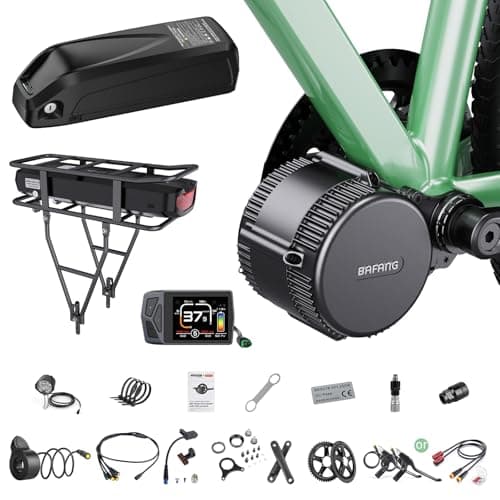
Mid-drive versus hub kits on published power, bottom-bracket and wheel fitment, and the 750W federal line most listings ignore.
 Best chain lube for an e-bike
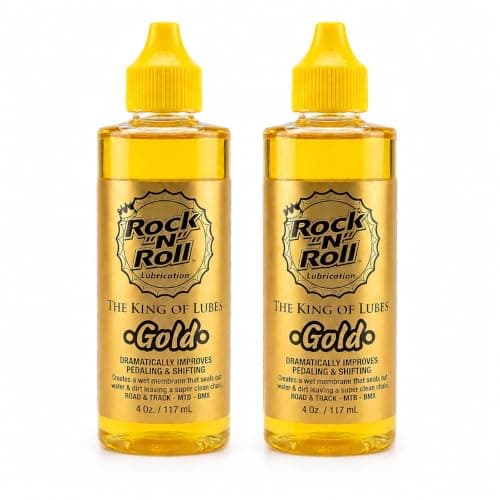
Five lubes for an e-bike drivetrain, ranked on published formulation and live cost per ml. Shimano builds e-bike-specific chains; nobody publishes an e-bike wear rate, and we do not invent one.
 Best e-bike accessory
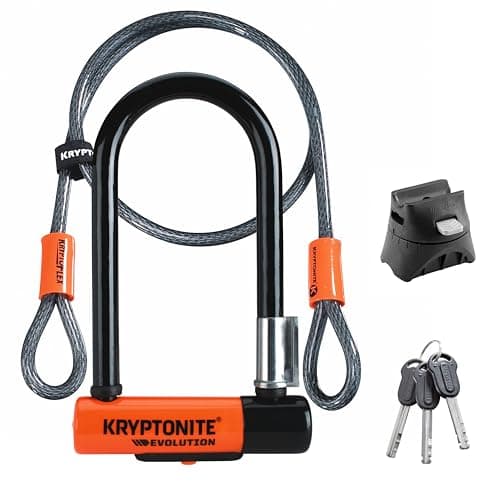
A lock, two lights, a helmet, a floor pump, a gauge and a chain — the seven objects an e-bike needs that a bicycle does not, ranked on consequence.
 Best e-bike for hills
Twenty-one published gears beats a bigger peak-watt sticker on a long climb. Six picks ranked on published gearing, plus the mid-drive answer none of the complete bikes offers.
Our top pick
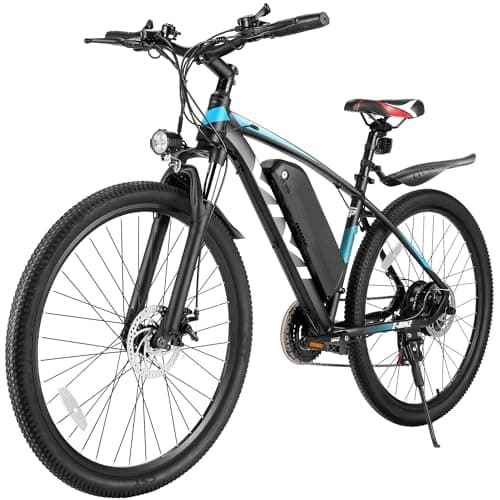
Vivi 27.5" Electric Mountain Bike
No buyable offer right now — the link still shows the current listing.
The cost-per-charge shortcut.Battery watt-hours ÷ 1000 × your electricity rate = the cost of a full charge. At the US average residential rate of 18.34¢ per kWh (EIA, June 2026), a 624Wh pack costs about 11.4¢ to fill. Not per week — per charge. That is the entire running cost of an e-bike, and it is small enough that it almost never belongs in your buying decision.
Which means the real cost of an e-bike is the purchase price, the battery’s eventual replacement, and whether it gets stolen. We work all of that through in e-bike cost to run.
The comparisons people actually search for, settled as far as they can honestly be settled.
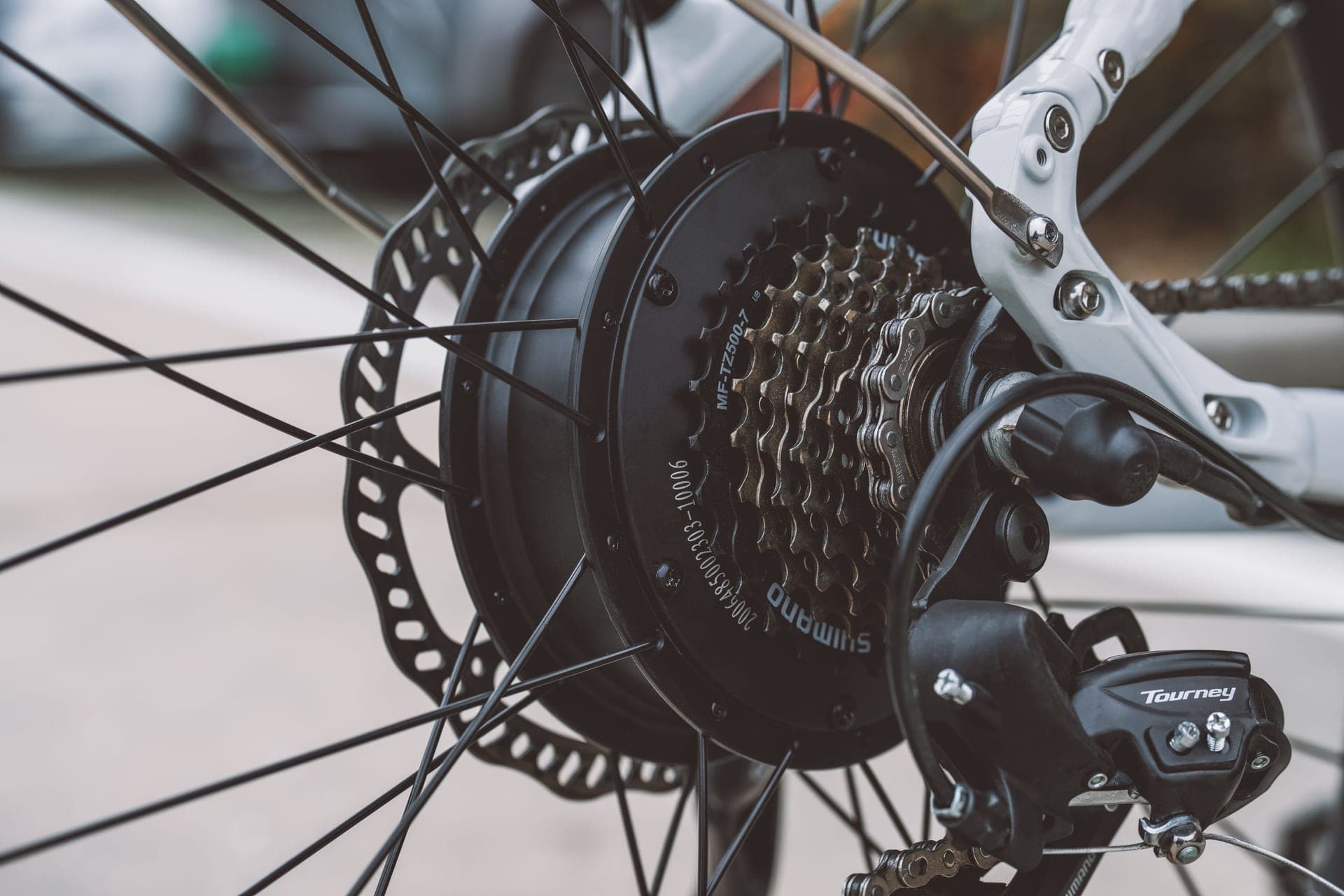
The one mechanical difference that decides climbing, chain wear and repairs — plus the torque numbers that look comparable and aren't.
Read the full guide →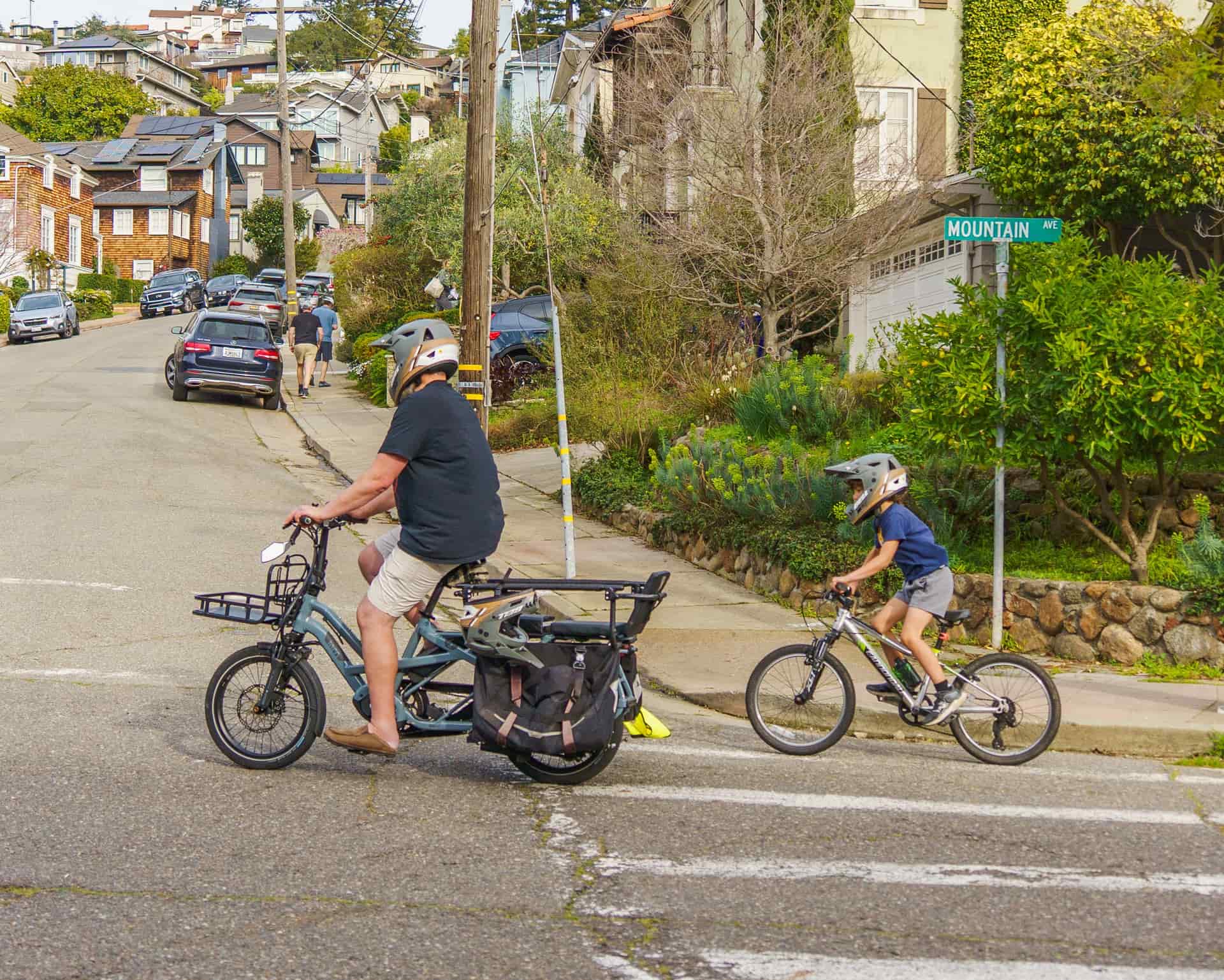
The three-class system straight from the statute, the federal 750W definition, and the twelve listings that state no class at all.
Read the full guide →
Cost, certification, brakes, warranty and the class label — the real differences between converting a bike and buying one.
Read the full guide →The mechanisms behind the choices, so the next decision is yours rather than ours.
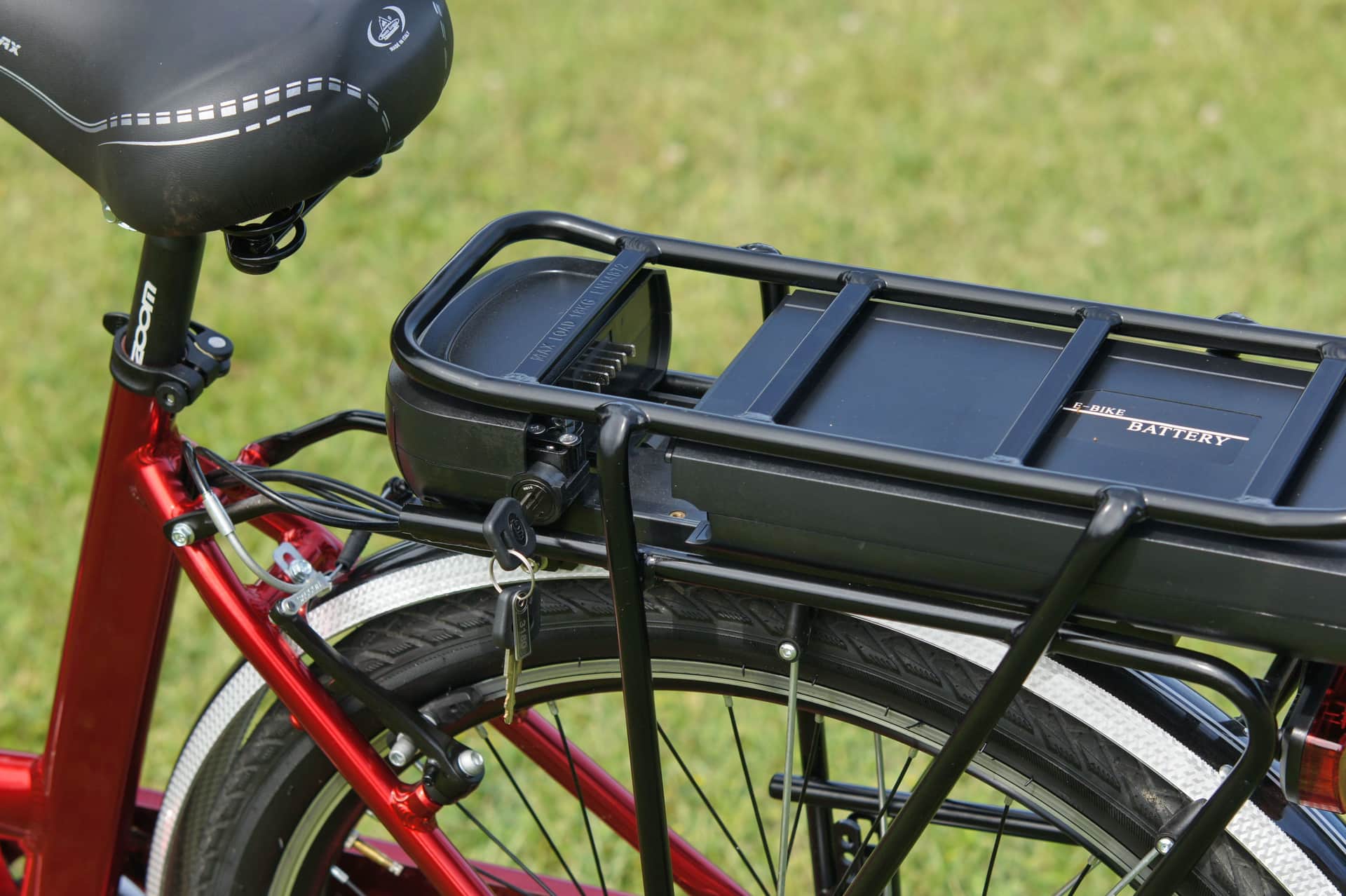
Cost per charge, cost per mile, and 1,000 miles against a car — every input sourced, every step of the working shown.
Read the full guide →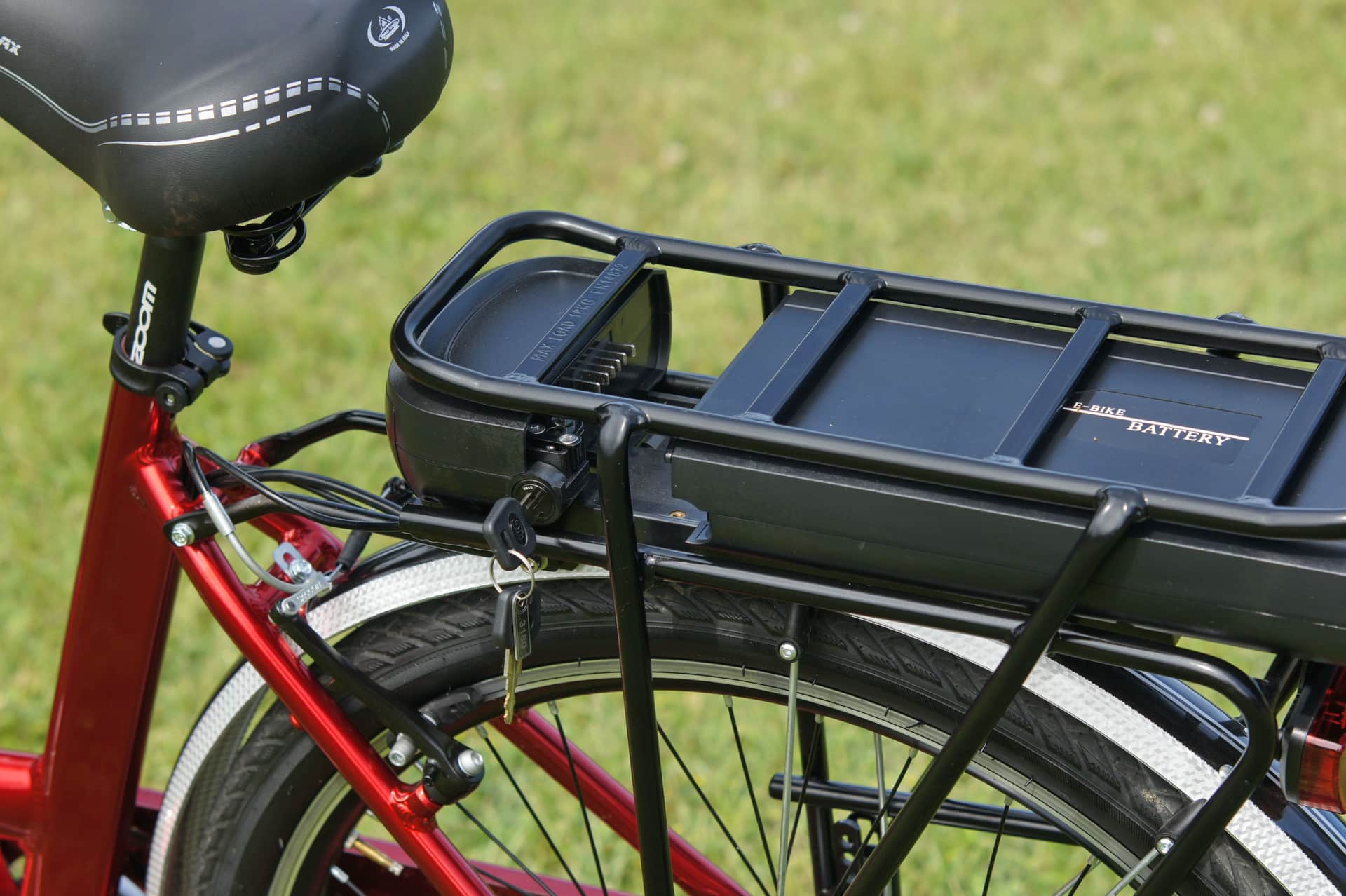
The one battery spec that compares across brands, how to compute it from volts and amp-hours, and the listings that make it impossible.
Read the full guide →
Every range claim on Amazon, reverse-engineered into the watt-hours-per-mile it assumes — and what the suspicious uniformity tells you.
Read the full guide →
When an e-bike actually pays off, when a regular bike is smarter, and the battery-replacement cost the pitch quietly leaves out.
Read the full guide →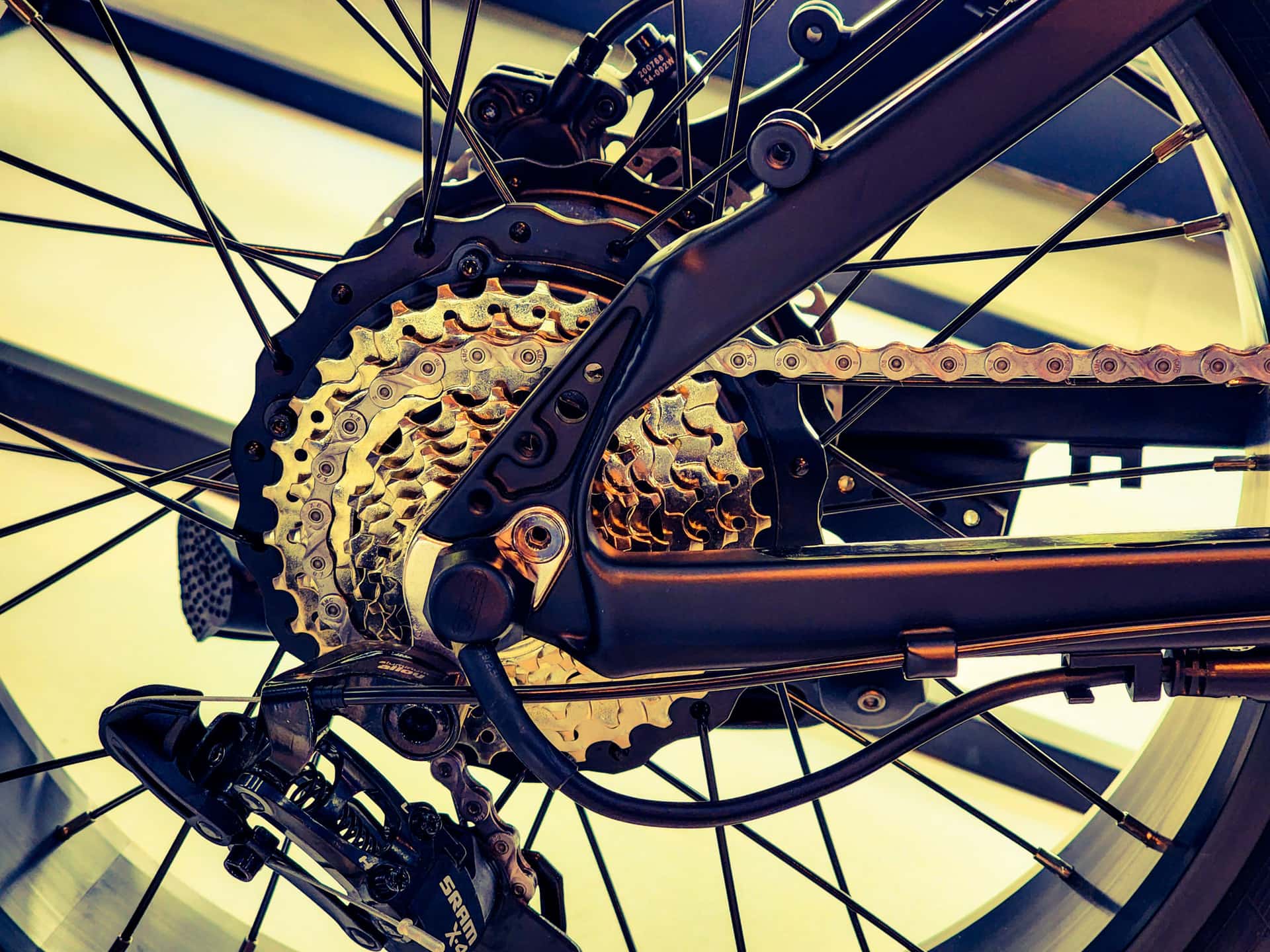
The tasks are the same as any bike; the cadence is faster. Where torque and weight wear chains, pads, rotors and tires sooner — plus the two e-bike-only rules.
Read the full guide →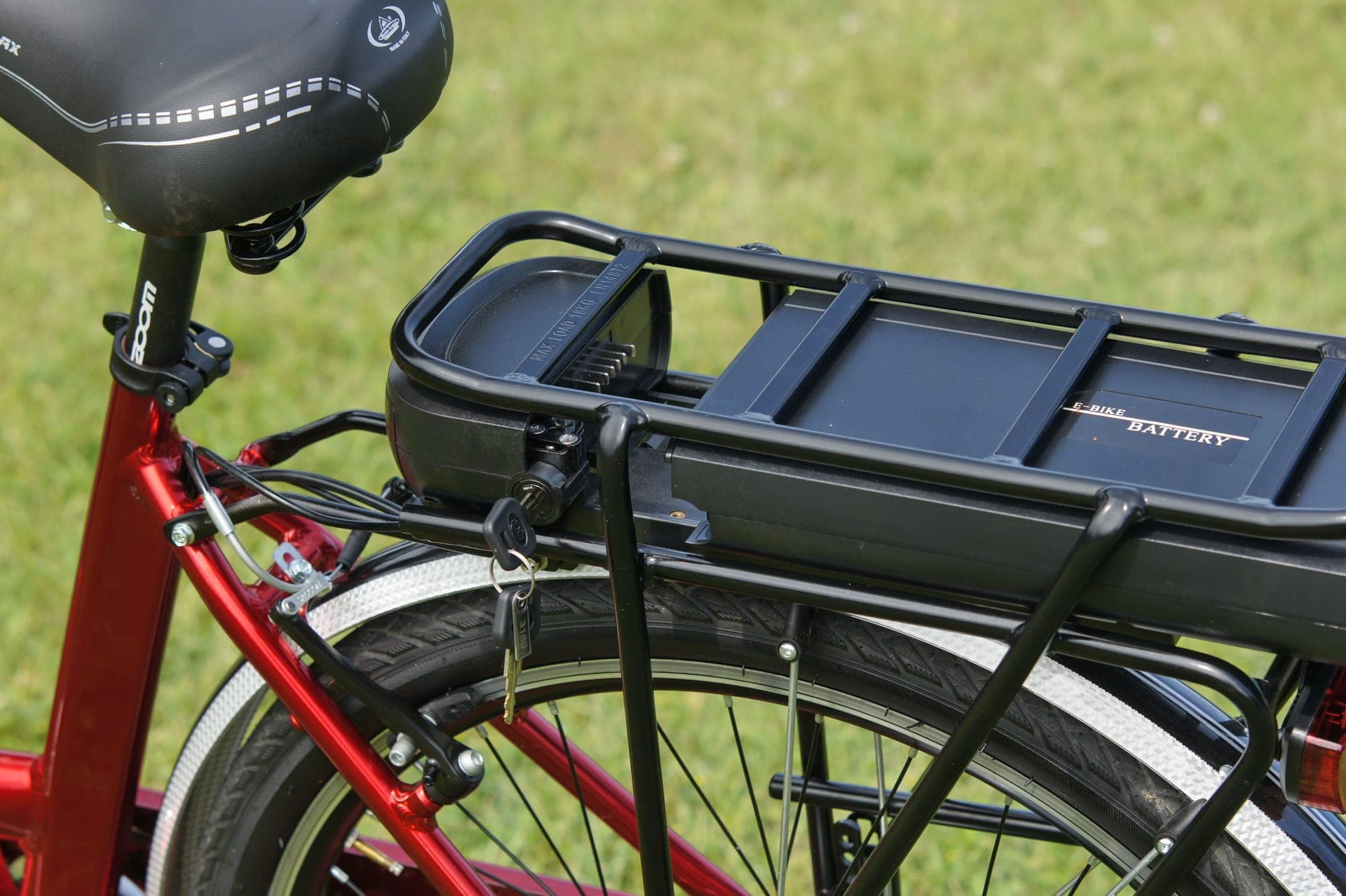
Why a lithium pack ages, the charge level to store it at, the temperatures that matter, and the fire-safety rules — where NOT to charge it — that come straight from FDNY and CPSC.
Read the full guide →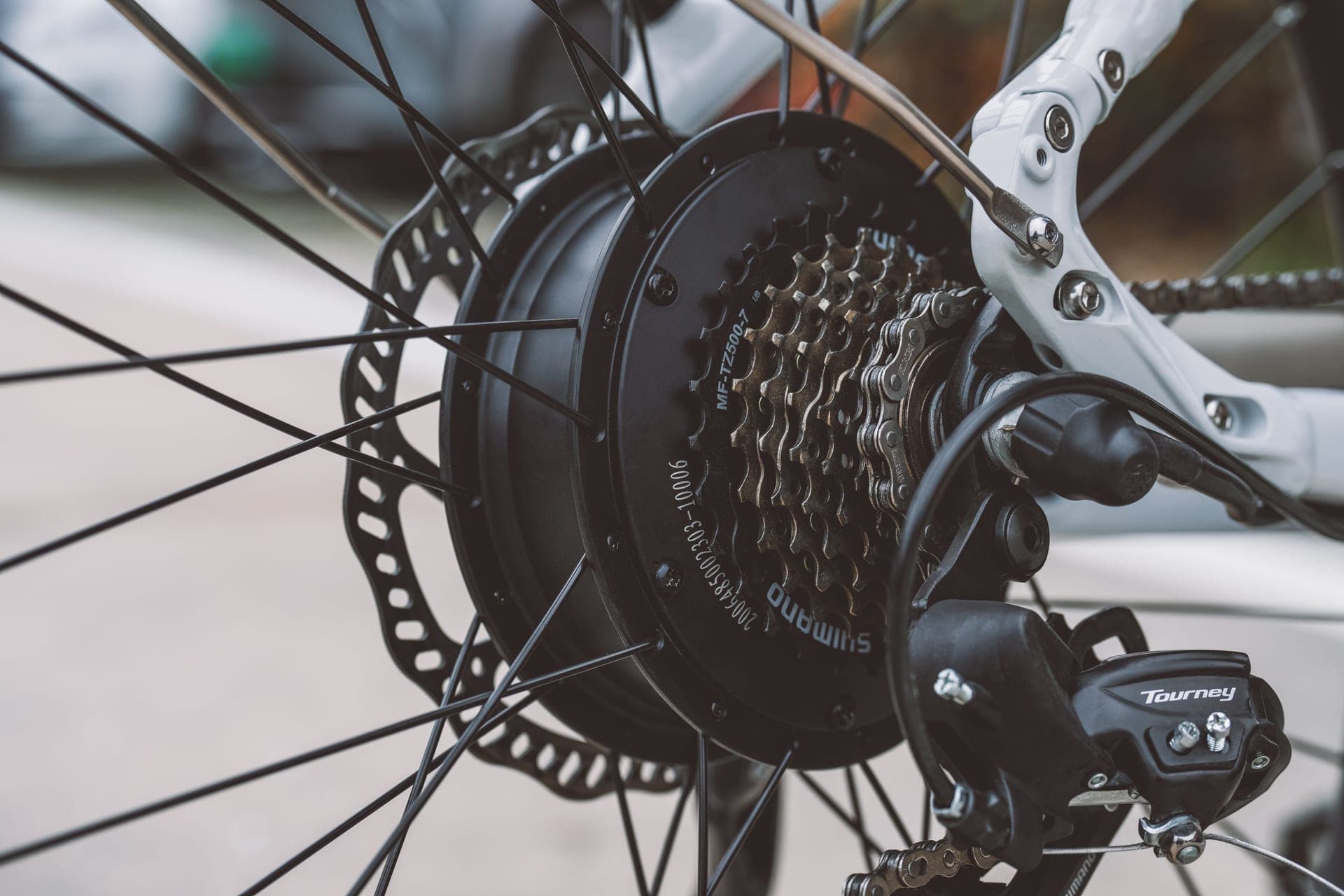
Measure first, then fit: bottom bracket standards, wheel and dropout checks, torque arms, brake cut-offs and battery mounting.
Read the full guide →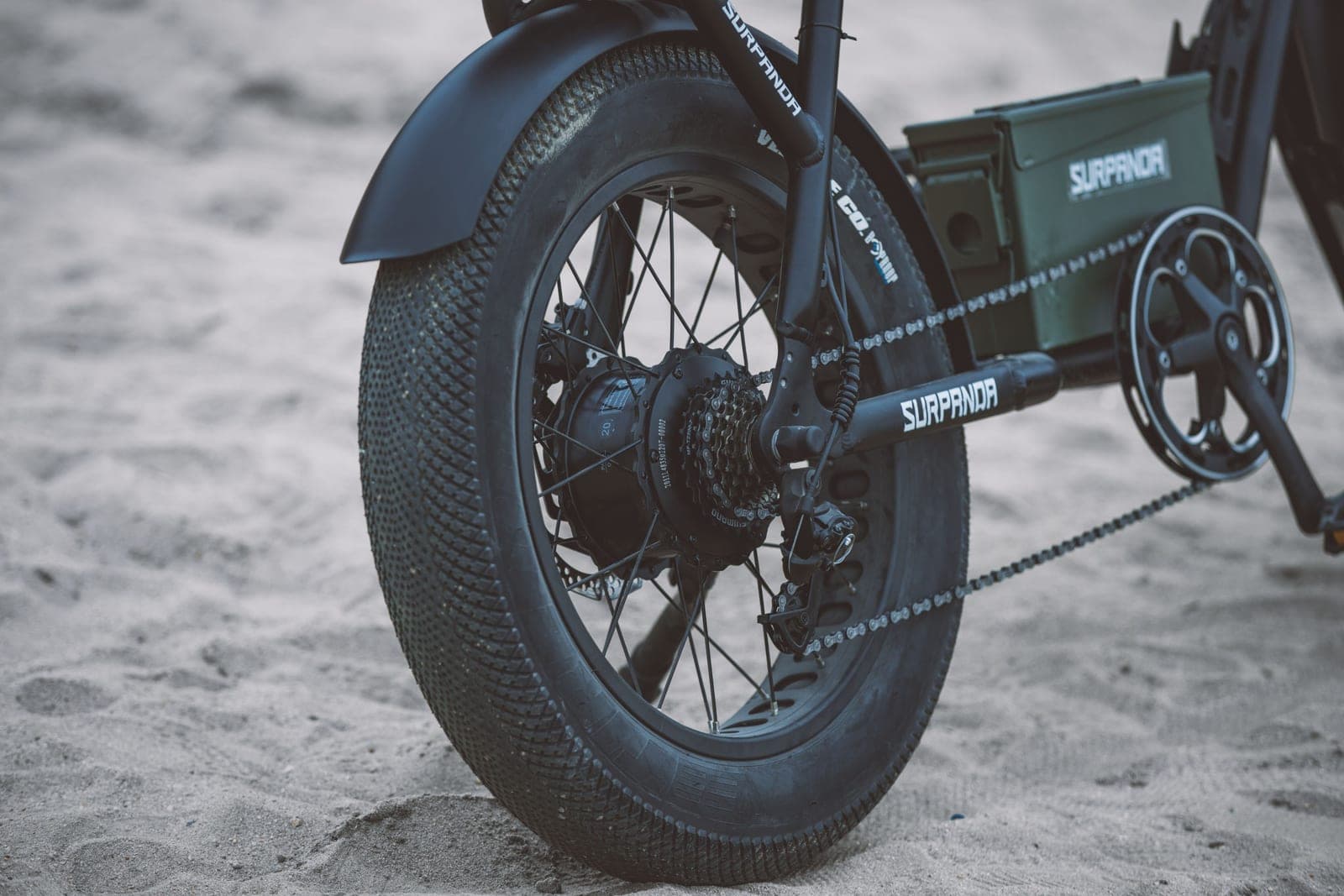
Peak watts against nominal watts, the federal 750-watt definition, and an audit of what all twelve e-bike listings here publish — including the seven that say “Peak”.
Read the full guide →
Rain yes, submersion no, pressure washer never. The published water instructions from Bosch and Shimano, and the ingress rating not one e-bike listing here prints.
Read the full guide →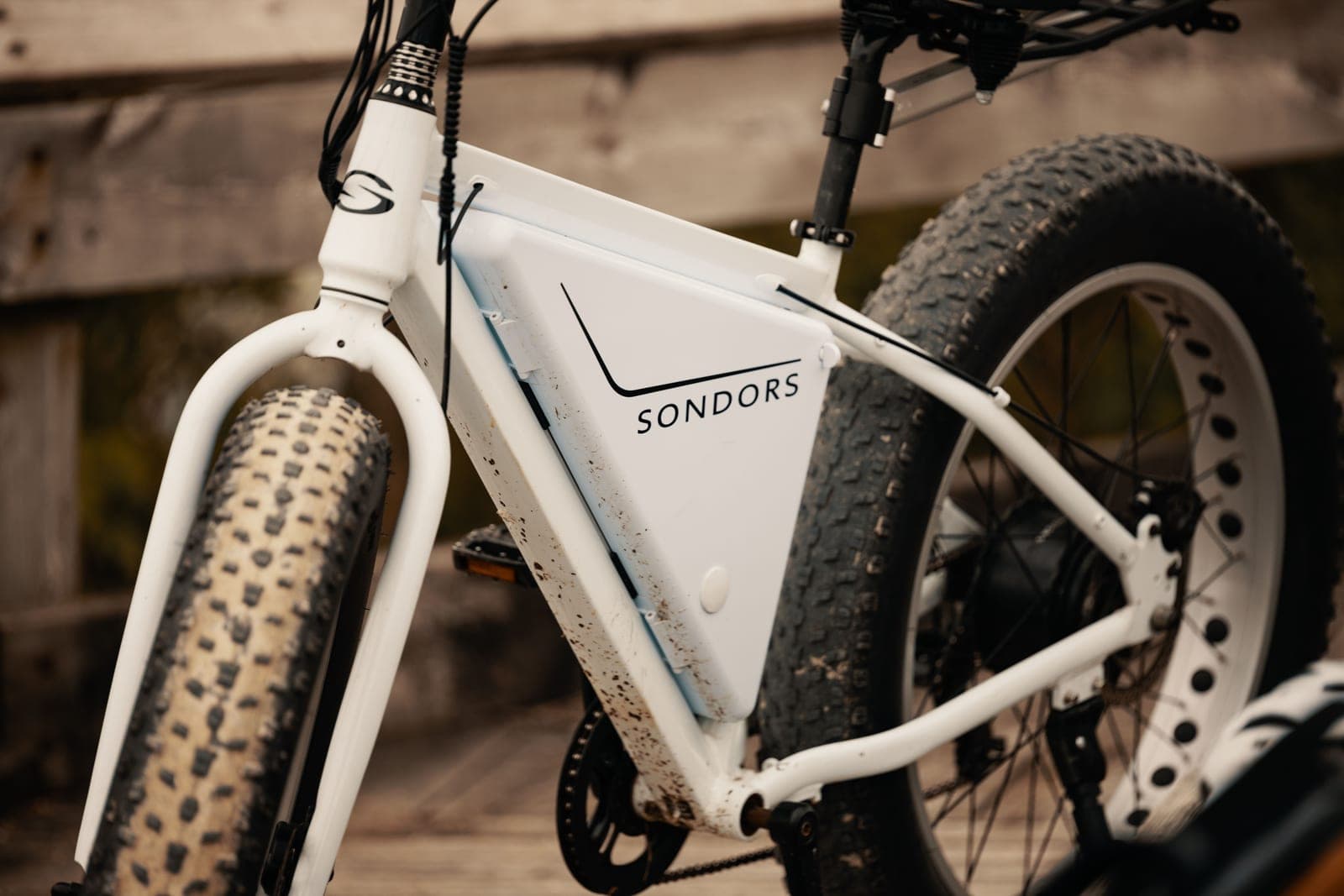
Read the sidewall, stay inside it, and run nearer the top of the range than a lighter bike would. Why no listing publishes a pressure, and why a fat tire's number is so low.
Read the full guide →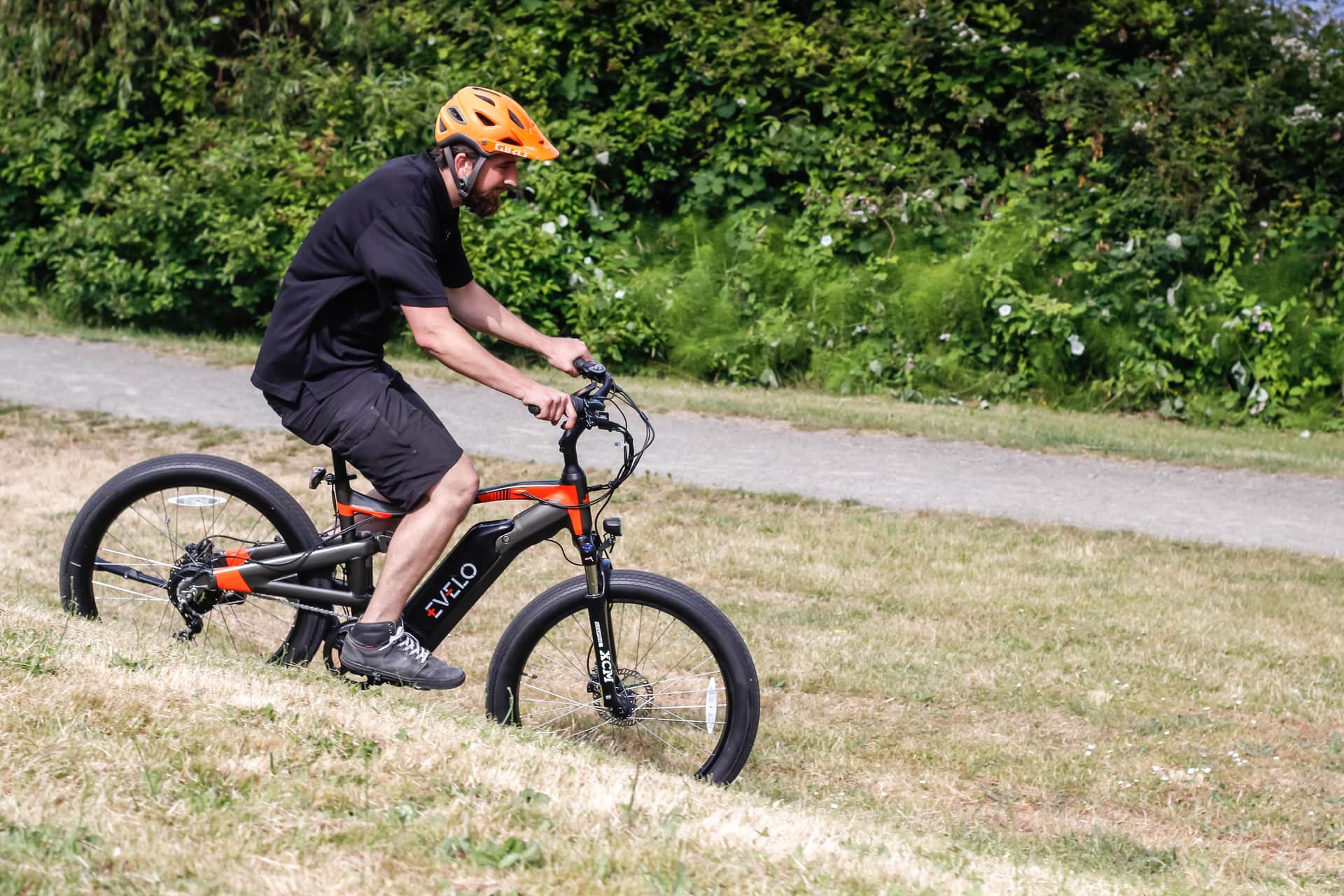
Measured, not argued: 4.9 METs on an e-cargo bike versus 1.4 METs driving, from a randomised crossover trial — and the e-trike study that found assistance can drop intensity below moderate.
Read the full guide →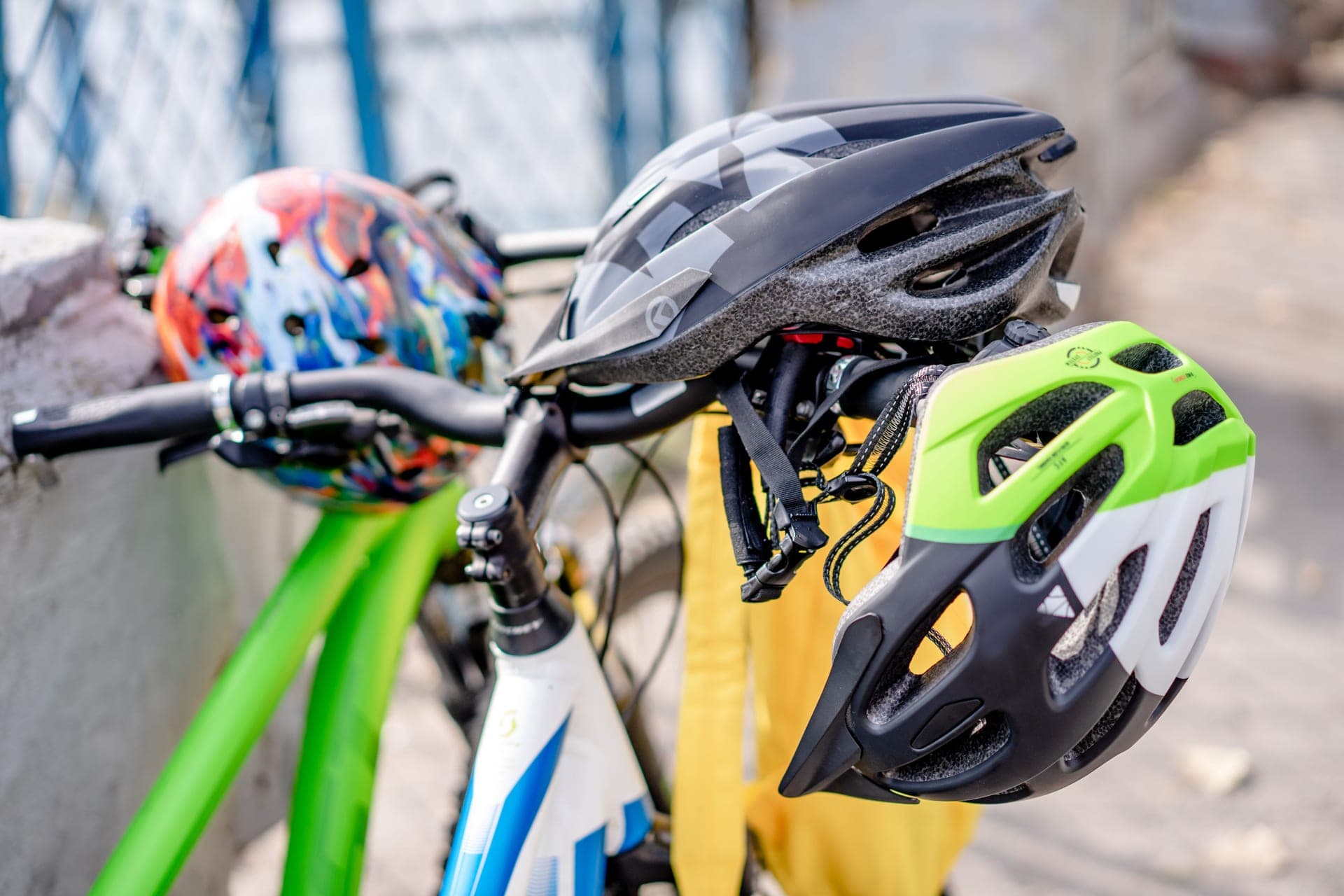
Helmet law by e-bike class, and the harder question: NTA 8776 is the only helmet standard written for e-bikes, and none of the six helmets we list carries it.
Read the full guide →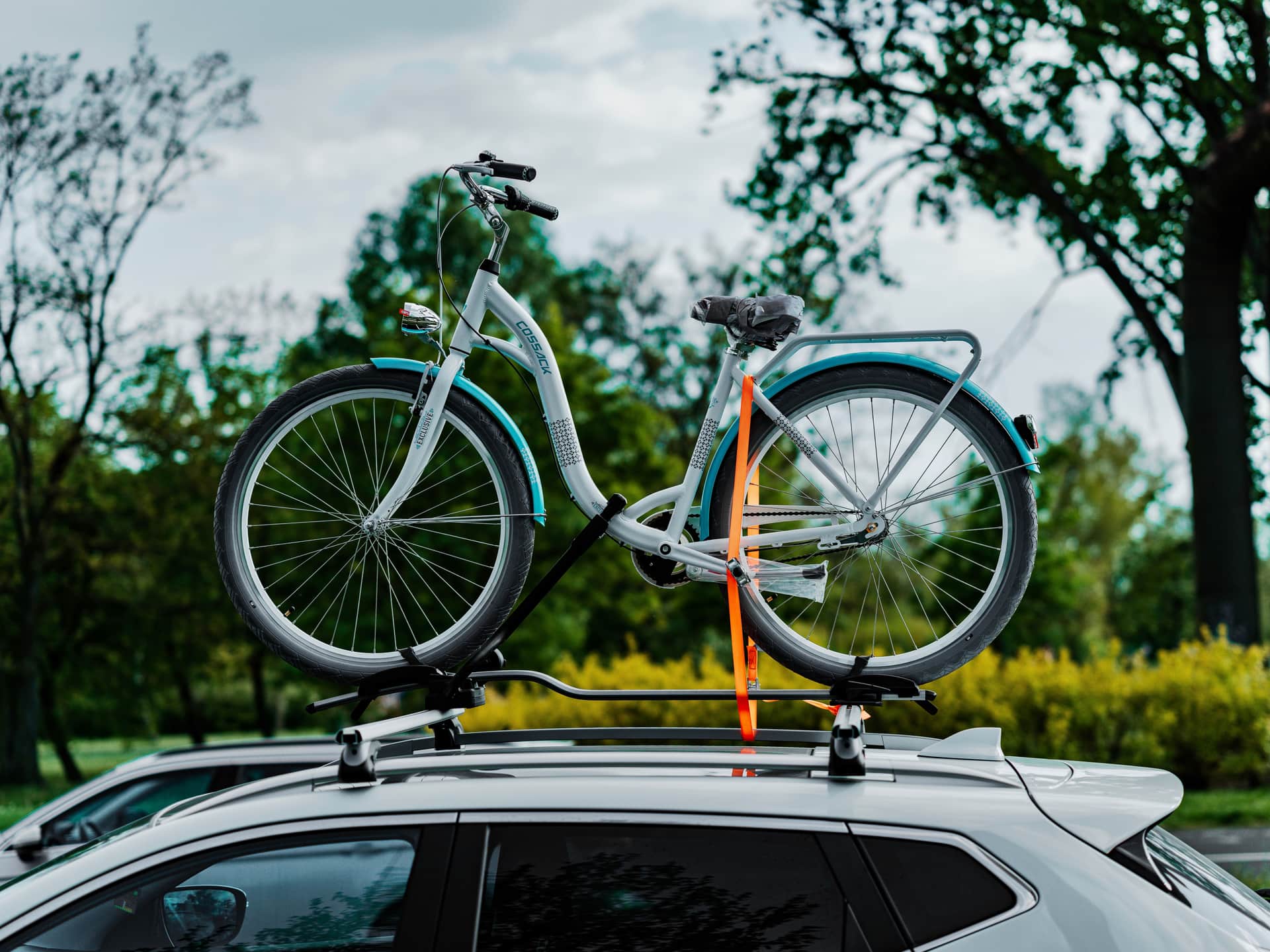
Why most bike racks are ruled out by weight and frame contact, how to get the two numbers neither side publishes, and the license-plate law a loaded rack runs into.
Read the full guide →Pennies. Divide the battery’s watt-hours by 1000 and multiply by your electricity rate: a 624Wh pack at the US average of 18.34¢/kWh is about 11.4¢ per full charge. The full arithmetic, with sources, is in e-bike cost to run.
Because they don’t sell those bikes on Amazon, and Amazon is the only retailer we have an affiliate relationship with. Rather than pretend those brands don’t exist, we’re telling you: they’re worth considering and you’ll have to buy them direct. See the best e-bikes on Amazon for what that trade-off actually costs you.
Neither — they’re different tools. Hub motors are cheaper, simpler and fine on flat ground; mid-drives use your gears, so they climb far better and wear your chain far faster. Most Amazon e-bikes are hub-drive. The full comparison is here.
As a physical ceiling, yes. As a prediction of your ride, no. Claimed ranges are measured on the lowest assist setting, by a light rider, on flat ground, with no wind. Hills, cold weather, throttle use and your own weight all cut it, sometimes by half. Watt-hours are the honest number — here’s why.
It depends on your state and often your local park authority. Class 1 (pedal assist to 20mph) is allowed almost everywhere bikes are; Class 3 (assist to 28mph) is frequently barred from multi-use paths. Check before you buy, not after — the classes explained.
We haven’t tested any of the products in this hub, and we don’t pretend otherwise. Read how we research — it explains what we do instead, and why we think it’s more useful than a score.