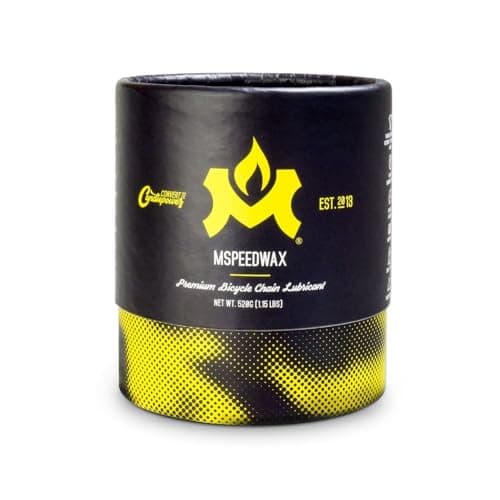
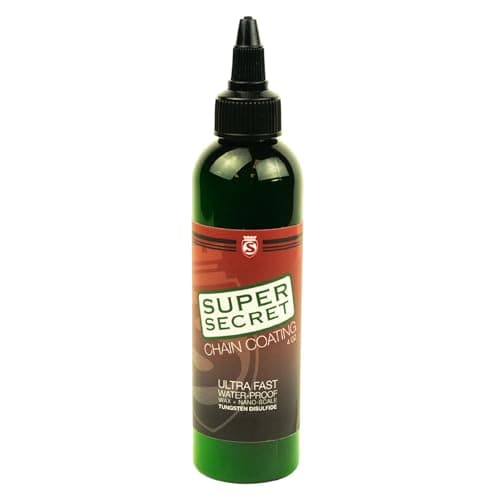
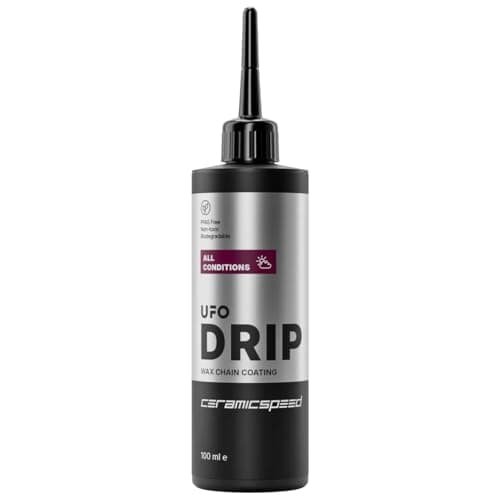
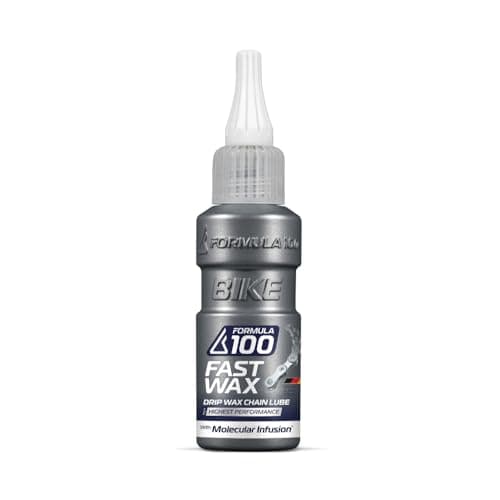
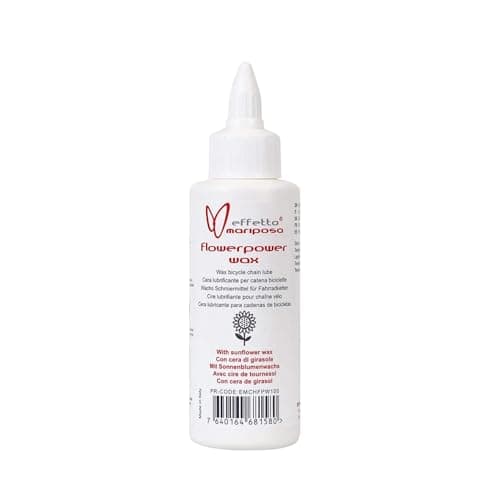
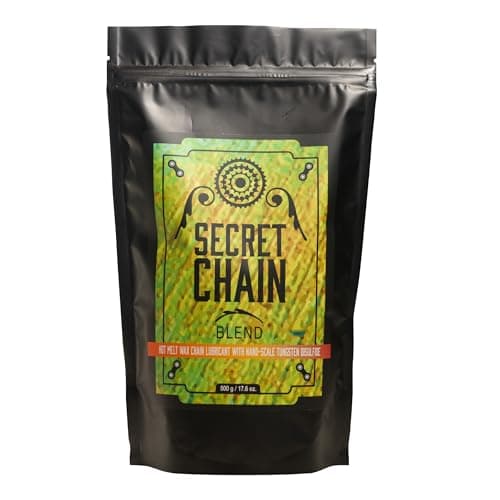
Chain wax is not a lubricant you apply, it is a process you adopt. That is the honest framing, and it is why this page splits six products into two piles rather than ranking them in one line. Immersion wax— the solid stuff you melt in a pot and dip a stripped chain into — puts wax inside the rollers and pins, where the wear happens. Drip wax comes out of a bottle, coats the chain, and asks far less of you. Both are wax; only one is the full method.
The reason anyone bothers with either is contamination. Oil-based lubes stay wet, and a wet surface collects road grit into an abrasive paste that then runs through your drivetrain. Wax dries to a solid film, so the grit has far less to stick to and much of it falls away with the flaking wax. That is the mechanism, and it is also why waxing is unforgiving about preparation: wax will not bond to factory grease.
What the immersion makers actually publish
This is a rare category where the manufacturers publish more than the reviewers. Silca specifies heating the wax to 65–88°C (150–190°F), stripping the chain first (mineral spirits, then at least fifteen minutes hanging to dry), and expecting up to 300 miles per application with a top-up after 200 clean miles. Molten Speed Wax specifies heating to 200°F (93°C), agitating the chain for 45–60 seconds, cooling for 20–25 minutes, breaking each link free before installation, and quotes about 300 miles for training chains and up to 1,000 for race chains— with a blunt caveat that wet or muddy riding means re-waxing after every ride.
Note the temperatures do not match. Silca’s published range tops out at 88°C; Molten Speed Wax calls for 93°C. Both are their makers’ own instructions for their own blends, and the sensible reading is that you follow whichever blend is in your pot rather than averaging the two. Our how to wax a bike chain guide keeps the two procedures separate for exactly that reason.
The evidence behind wax, and the conflict in it
The most extensive public chain-wear dataset in cycling is published by Zero Friction Cycling, and waxes and wax-based lubes dominate the top of its wear tables. Every publisher in this category cites that data. We do too — with the disclosure most of them omit: ZFC sells chains and lubricants, including products that test well in its own results. That does not make the data worthless; it makes it interested, and the honest thing is to say so at every citation. Our chain lube roundup goes through that conflict in full.
What we can say without leaning on anyone’s test rig is the mechanism, and the mechanism is not controversial: a dry film picks up less grit than a wet one, and less grit in the rollers means less wear. That is why the wax category exists, and why a waxed chain looks clean after a ride that leaves an oiled one black.
What waxing actually costs you
In money, less than people expect — the cost-per-milliliter table below and a bag of immersion wax both work out cheaply per application. In time, considerably more. The first application means degreasing a new chain out of the box, drying it, melting wax, dipping, cooling, and freeing every link. Silca and MSW both publish the same welcome shortcut for subsequent applications: re-waxing does not require the full cleaning process again — wipe the chain of debris and drop it back into the melted wax.
The practical setup most home waxers land on is two chains, alternated. One is on the bike; one is in the pot. Since a chain has to come off anyway, quick links make the swap a two-minute job — and rotating chains has the side effect of spreading wear, which our guide on when to replace a bike chain explains the economics of.
When not to wax
Three cases. If you ride through persistent wet, waxing becomes a chore rather than a benefit — MSW itself says to re-wax after every ride in wet or muddy conditions, which is a lot of evenings. If you will not degrease properly, wax cannot bond and you will get worse results than a decent dry lube. And if your riding is short, infrequent commuting, the payoff in chain life may simply never arrive before the bike does something else for a living. In all three cases our wet versus dry lube comparison is the more useful page.
The prior question, if you have not decided whether to run a slow cooker at all, is the method rather than the brand: drip wax versus hot melt wax sets the two published intervals above against three products that publish no interval at all.