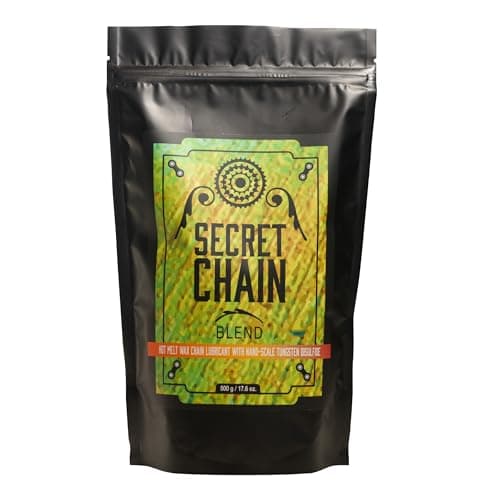
Hot melt wax is the better-documented method and Silca’s hot melt blend is the pick: it publishes a melting range, a mileage figure and a top-up interval. Drip wax is the method you will actually keep up with, and its makers publish almost nothing. That is the real trade, and it is not the trade the internet argues about.
The argument you usually see is about efficiency — watts saved, friction coefficients, drivetrain losses. Here is the uncomfortable fact underneath this whole category: not one of the five products on this page publishes a friction figure.Every watt number you have read about chain wax came from a third-party tester, not from the maker’s own published specification, and this site does not repeat figures it cannot trace to their source.
What the makers do publish splits cleanly along the method line, and that is the comparison worth having.
What hot melt publishes
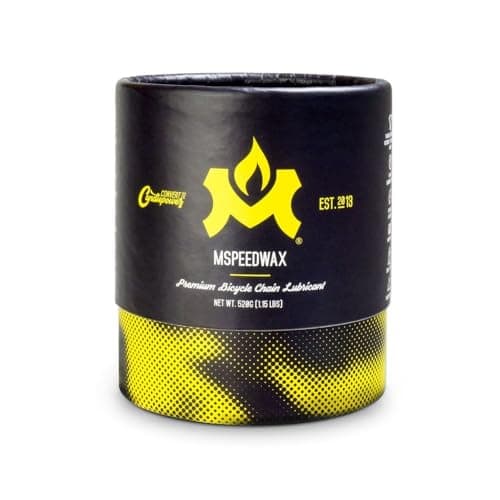
Both immersion products publish a procedure with numbers in it. Silca publishes a melting range of 65–88°C (150–190°F), up to 300 miles per application, and a separate top-up or re-wax point at 200 clean miles. Molten Speed Wax publishes 200°F (93°C), an agitation time of 45–60 seconds, and roughly 300 miles for a training chain rising to 1,000 for a race chain.
Note that the two temperatures are different. 65–88°C and 93°C are not the same procedure, which means “hot melt wax” is not one method but two similar ones, and you follow the instructions for the wax you bought. Our waxing guide walks through the full job, including the part everyone underestimates: the first application needs a chain degreased down to bare metal, because wax will not bond through factory grease.
What drip wax publishes
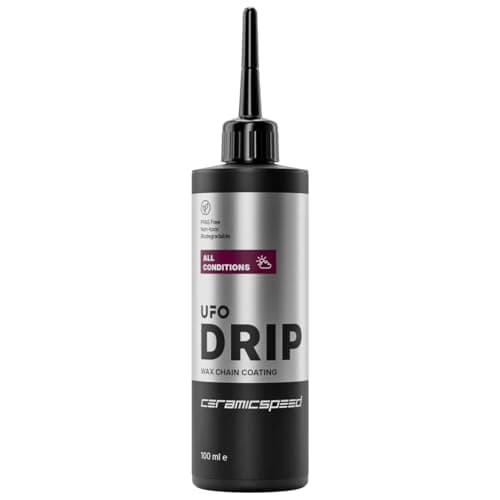
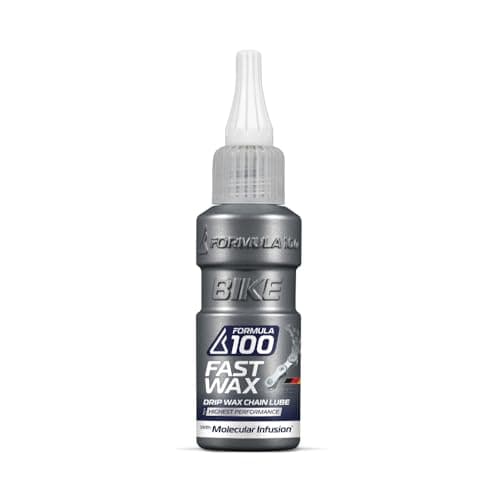
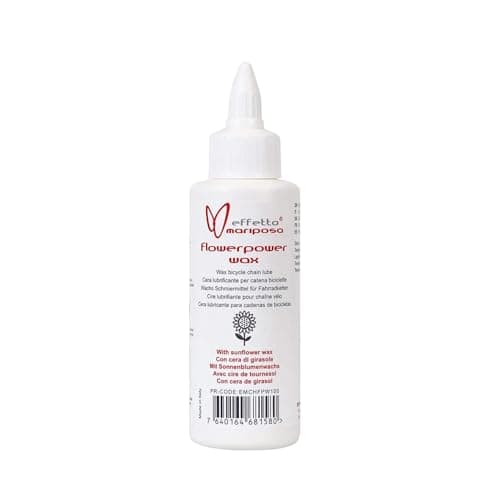
A volume. In two of three cases, an adjective. CeramicSpeed’s UFO Drip adds “all conditions” and “eco friendly”; Formula 100 adds “fast”; Effetto Mariposa’s Flowerpower publishes neither a temperature, nor an interval, nor a procedure — our wax rounduprecords those three absences as the product’s key specs, because that is honestly all there is.
No drip wax in our catalogue publishes a reapplication interval. That is the single most useful number a chain lubricant could give you, the hot melts both give it, and the drip category gives it in zero cases out of three. If you buy a drip wax you will be working out the interval by ear, from when the drivetrain starts sounding dry.
Where the wax goes, which is the mechanical difference
This part is geometry rather than marketing. A chain’s wear happens between the pin, the bushing surface and the inside of the roller — surfaces that are enclosed. Immersion puts molten wax everywhere, including inside those rollers, and it solidifies there. A drip bottle applies wax to the outside of the chain and relies on it running into the gaps.
That is a real advantage for immersion and we are not going to pretend otherwise. What we cannot tell you is how much of an advantage, because no maker publishes a penetration figure or a wear-rate figure, and we have not tested anything — see how we research. What you can do is read the two published intervals side by side: 300 miles for a hot melt application versus no published figure at all for a drip.
The honest case for drip wax anyway
A maintenance method you do not perform is worth nothing. Immersion needs a slow cooker you will not use for food again, a degreased chain, a quick link you are willing to keep opening, and a free evening the first time. That is a real barrier, and the chains that end up running dry and wearing out their cassettes are mostly owned by people who intended to re-wax.
Drip wax keeps the main benefit of a waxed drivetrain — the chain stays dry to the touch and picks up far less grit than an oil does, which means less cleaningand a cleaner right calf — with none of the setup. If the realistic alternative to drip wax is a neglected chain, drip wax wins comfortably. If the realistic alternative is a wet oil you reapply religiously, the comparison is closer and our wet versus dry lube comparison covers it.
There is also a middle option this page should name: a liquid chain wax applied by drip but from a maker that publishes a bit more about it. Silca’s Super Secret liquid wax sits in that gap on our roundup, with no melting required — still no published interval, but a published all-weather claim.
So which?
Buy hot melt ifyou own or will buy a slow cooker, you have a chain with a reusable connector, and you would rather follow a published procedure than guess. The per-application cost is also much lower, since you are comparing 500 g or a pound of wax against 50–100 ml bottles.
Buy drip wax ifthe honest answer to “will I take the chain off every 300 miles” is no. Choose on volume, since nothing else is published: 100 ml beats 50 ml, and the CeramicSpeed is the only one with a conditions claim.
Buy neither if your chain is already worn out, which is the thing wax cannot fix. Measure it first— waxing a chain past its wear limit just means a clean chain destroying your cassette.