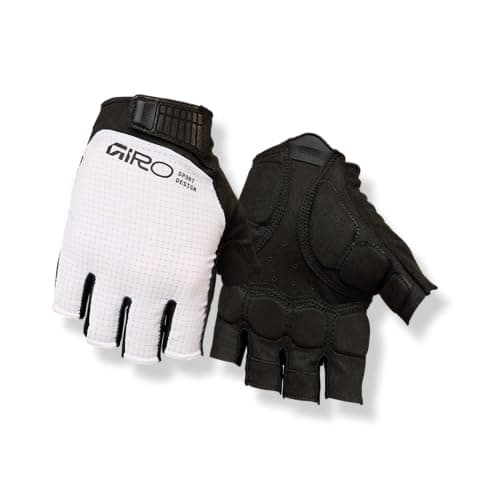
Not one glove in this roundup publishes the thickness, density or material of its padding.That is worth saying at the top, because padding is the specification the category sells on and the specification nobody quantifies. What you get instead is a word — “gel” — and a photograph. So this page ranks on the things that are actually knowable: format, closure, coverage, and whether a glove was designed around the hand position you ride in.
There is also a good reason not to chase padding, and it is published research rather than opinion. The pressure work summarized in our how to choose cycling glovesguide found padded gloves reduced peak hand pressure by roughly 10–28%, that the effective padding was thin, and that foam gave slightly better pressure reduction than gel. A thick gel slab can bridge the hollow of your palm and concentrate load rather than spread it. If your hands go numb, the glove is the last part of the fix, not the first.
Three formats, and the hand position each is built around
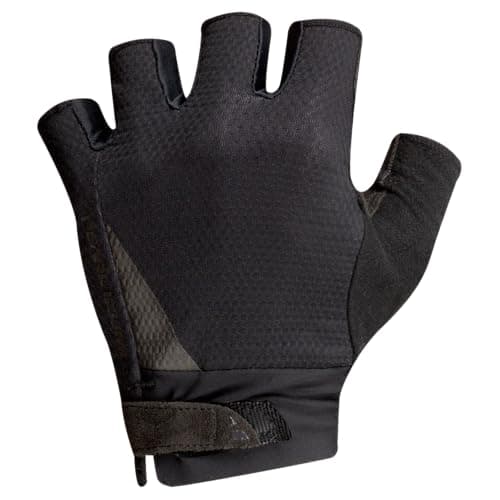
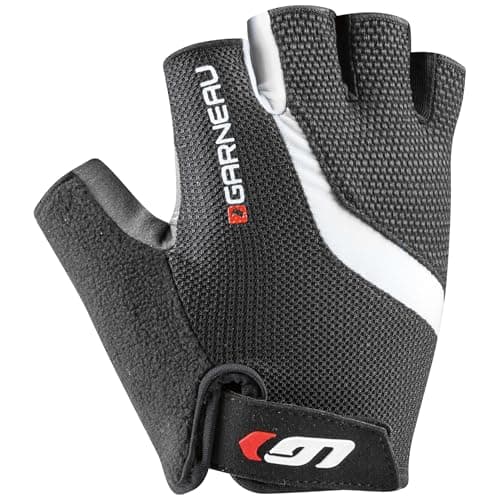
Padded short-finger mitts(the Giro Bravo, Pearl Izumi Elite, Louis Garneau Biogel) are the drop-bar answer. The pad sits over the hypothenar area — the heel of the palm on the little-finger side — which is where a road position loads the hand and where the ulnar nerve runs through Guyon’s canal.
Minimal mitts(Castelli Entrata) drop most of the padding in favor of feel. Riders who like a direct connection to the lever hoods, or who have never had numbness, often prefer them — and on smooth roads there is little to lose.
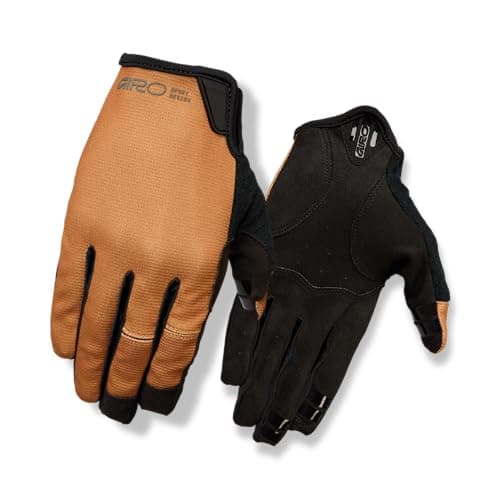
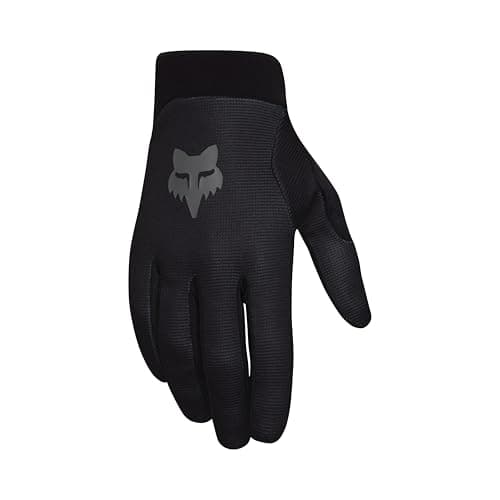
Full-finger gloves (Giro DND, Fox Ranger) are about coverage and grip rather than cushioning. On gravel and trail they earn their place twice: knuckle protection in a slide, and grip when the bar is wet. On a summer road ride they are simply hot.
The mistake this page exists to prevent is buying across those categories — an MTB glove for road miles, or a thick gel mitt to fix numbness that is actually a fit problem. If you are between formats, our glove guide works through the fingerless versus full-finger decision properly.
Sizing is the failure mode, not padding
Gloves are among the most-returned items in cycling kit, and it is almost always fit. A glove that is too big slides on the bar and bunches into a ridge under the palm — which concentrates pressure in exactly the place the padding was meant to relieve. A glove that is too small restricts circulation and makes numbness worse.
Measure the circumference of your palm at the knuckles, excluding the thumb, and compare it with the manufacturer’s own size chart rather than assuming your size carries across brands. The listings above are each a specific size — the Giro Bravo listing is a Medium, the DND an X-Large, the Biogel a Small — so read the size on the listing you actually click, not the one in this sentence.
What actually wears out
Two things: the palm material where it meets the bar tape, and the elastic in the wrist closure. Neither is improved by more padding, and both are shortened dramatically by hot washing and fabric softener — the softener film that ruins a jersey’s wicking also ruins a glove’s grip. Our guide to washing cycling kit covers the routine, and gloves are the item it is most often ignored on.
One practical note on color, since half these listings are color-specific: white and light palms show chain grease permanently after one roadside repair. Black palms are not more durable, they are just less honest about their age.
What we could not tell you
We have not measured hand pressure, worn any of these gloves, or compared pad materials on a rig. What this page contains is the specification each seller publishes, the format each glove belongs to, and a ranking consistent with the published pressure research rather than with marketing. Where a listing says nothing about its padding — which is all six of them — the table below says “Not published” instead of guessing.