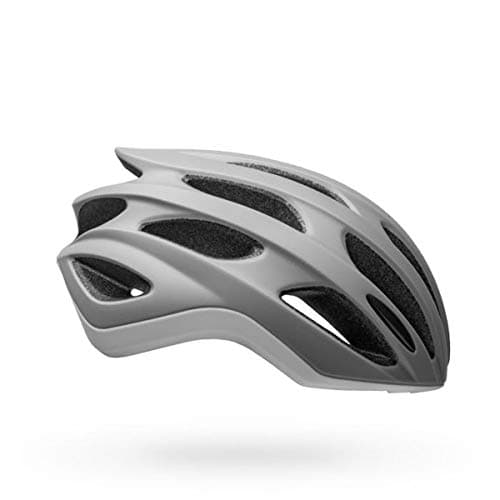
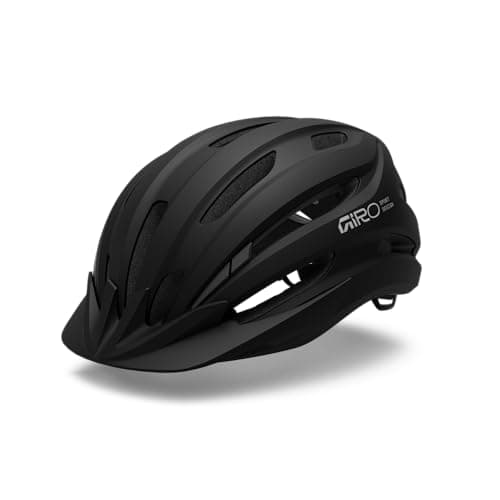
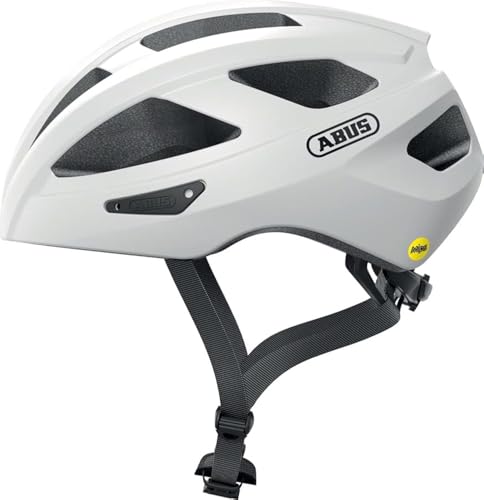
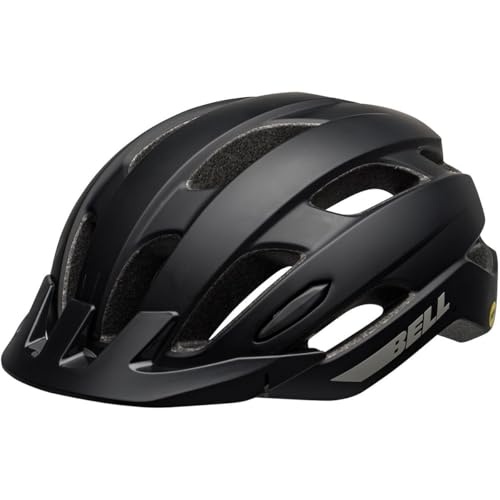
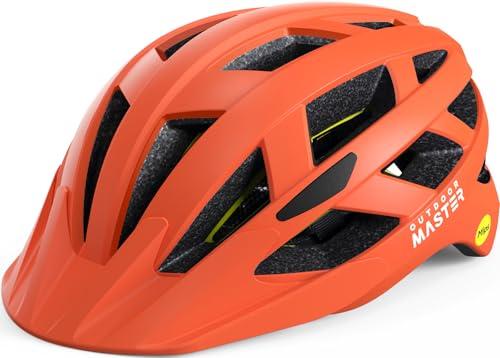
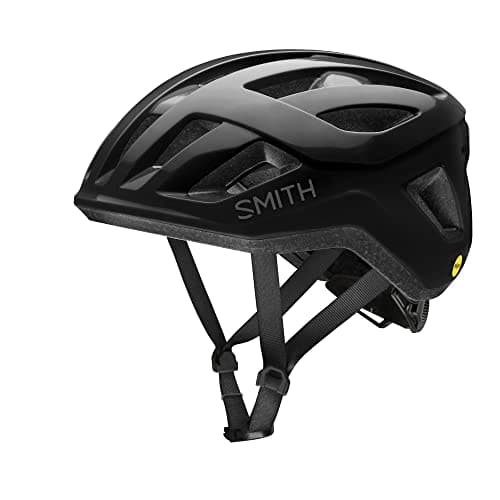
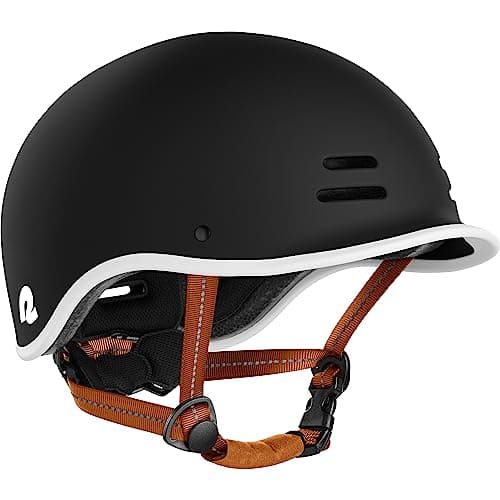
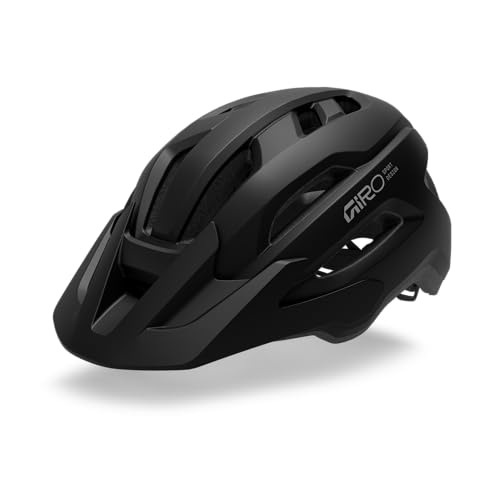
Price does not buy a higher safety standard on this page, because there is only one standard and it is the law. Every bicycle helmet sold in the United States must meet 16 CFR Part 1203, the CPSC’s mandatory safety standard. The cheapest helmet in this roundup clears it. So does the most expensive one in the catalog. A helmet that did not would be illegal to sell.
That removes the question most budget helmet pages are built around and leaves two that a listing can actually answer: does it publish a rotational-impact system, and does it publish a head measurement? Those are what this page ranks on.
The audit, in two numbers
Seven of the eight helmets under this cap name a rotational system— six say “MIPS”, one says “MIPS II”, and one says nothing. That is a remarkable thing about the current market: the technology that used to be the reason to spend more is now published on a sixty-dollar helmet. MIPS is a low-friction layer that lets the shell rotate slightly relative to the head during an angled impact. We have not tested it, nobody without a lab has, and the listings publish no test data for it — what they publish is its presence.
Two of the eight publish a head circumference in centimeters. Two. On a garment that only works if it fits, bought online by people who cannot try it on, six of eight listings give you a letter and leave you to guess. That is the single most useful thing this page can tell you, and it is also why the ranking looks the way it does: the helmet at the top is not the most expensive, it is the one that answers both questions.
Nothing in the table publishes a claimed weight. Nothing publishes a vent count. Those are the two specifications people actually compare helmets on, and in this catalog — at every price, not just under the cap — nobody prints either.
What more money buys, as far as anyone publishes
Above this cap our catalog holds two more helmets, and their listings do not publish anything this field does not. What a premium helmet genuinely buys, in the parts that can be observed rather than measured, is lighter construction, more and better-shaped vents, finer retention adjustment and a shape developed for a head-down road position. Those are real. None of them is a safety rating, and our main helmet roundup makes the same argument across the whole price range.
If you want third-party impact testing rather than a marketing claim, the Virginia Tech helmet lab publishes per-model star ratings. We link the tool rather than reproducing numbers: the ratings table is script-driven and we could not retrieve the per-model rows, so look up the exact model you are about to buy. A star rating we had not read would be the worst thing we could publish, here or anywhere.
Fit is the whole purchase, and the listings mostly refuse to help
A helmet that moves does not do its job. The published route to a fit is a tape measure around the widest part of your head, about a finger above the eyebrows, and a listing that publishes a range in centimeters. Two here do. For the rest, the honest approach is to buy from a brand whose letter sizes you already know, or to buy a universal-fit shell and use the dial.
Two more rules that do not depend on price: our fitting guidecovers the two-finger gap above the eyebrows and the strap V under the ear, and any helmet that has taken a real impact is finished — the foam crushes once. That is the strongest argument for the cheap end of this page: a sixty-dollar helmet you replace after a knock protects you better than a two-hundred-dollar one you keep because replacing it hurts.
What this page cannot tell you
We have not worn, weighed, dropped or crash-tested any of these. Four of the eight read their specifications through this site’s reuse layer from the main helmet roundup, on the date that page records; the other four had their listings read on 16 November 2026, the day they were resolved through the Amazon Creators API. Every figure above is a seller’s own published claim.
We also cannot tell you which of these is safest, and neither can anyone else selling them. The federal standard is pass or fail, the listings publish no test data, and the only third-party per-model ratings available are the ones we have linked for you to read yourself. Helmet safety standards explained is the long version of what the standard actually requires.