Tires are the most consequential thing you can change on a road bike and the least carefully bought.They are the only contact with the road, they are replaced several times a year, and the specification that decides how they feel — casing construction — is the one almost no listing publishes. What listings do publish is width, tread pattern names, compound names, puncture-belt names and, sometimes, whether the tire is tubeless-ready. That is what this page ranks on.
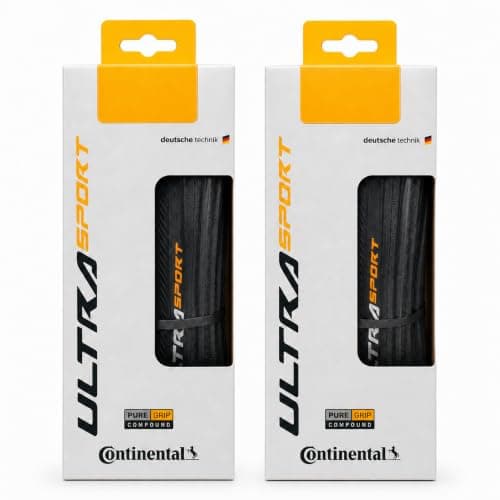
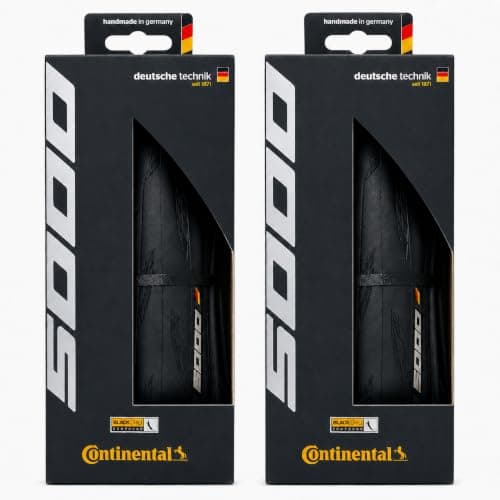
One practical detail first, because it changes the arithmetic more than any performance claim: most road tire listings are a single tire. One of the seven here is a two-pack. When you compare prices, compare the cost of the pair you actually need.
Width: the free upgrade most road bikes can take
The road standard has moved from 23 mm to 25 and now to 28 mm, and the reason is not fashion. A wider tire at the correct (lower) pressure deforms less over surface texture, and Silca’s published work on rolling resistance and impedance explains why that matters: on real roads, energy lost to vibration and suspension losses swamps the drum-test differences between casings. Our road tire width explainer goes through the whole argument, and the pressure guide covers what to run once you have chosen.
The constraint is clearance, not preference. Measure the gap at the chainstays and the brake bridge or fork crown with the wheel in, and remember that a 28 mm tire measures wider on a modern wide rim than on an old narrow one. ISO 5775 governs how those sizes are marked, and it is worth knowing that the number on the sidewall is a nominal designation rather than a promise.
Tubeless, tube-type, and reading the listing properly
Three of these tires are tube-type by name or by omission; one states Tubeless Easy on the listing. That distinction is not a preference — it is a compatibility fact, and buying the wrong one means either an unusable tire or a tubeless setup that will not hold air. Continental’s own explanation of what “tubeless ready” means is a useful primer on why the bead and the casing have to be designed for it.
Our clincher vs tubeless vs tubular comparison covers the retention mechanics, and tubeless vs tubes covers whether the maintenance is worth it. If you are already tubeless, the roadside consequences are in how to fix a tubeless flat.
Race, training, or something between
The honest taxonomy for this category has three tiers, and every tire above sits in one:
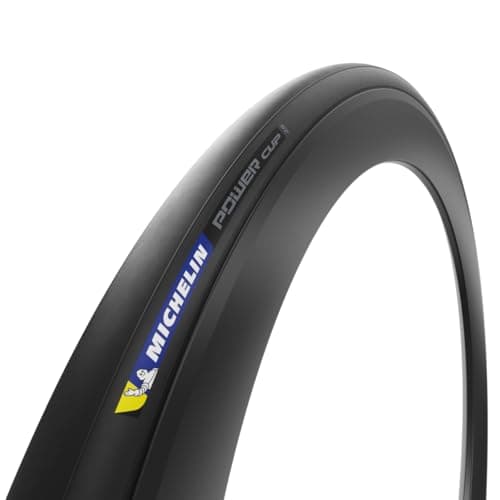
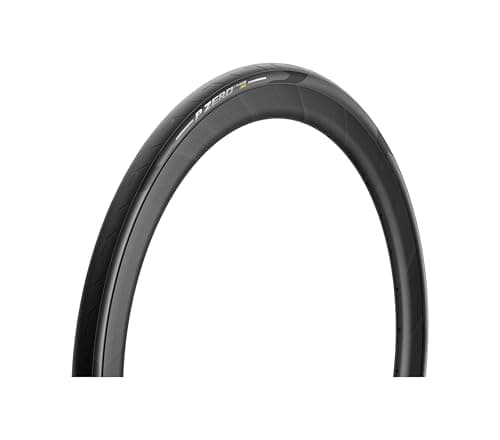
- Race. Soft compounds, light casings, minimal belt. Fast and grippy; cut by things a training tire ignores. The Pirelli and the Michelin are here.
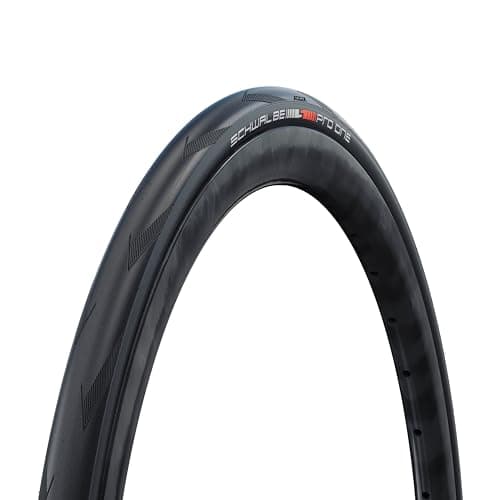
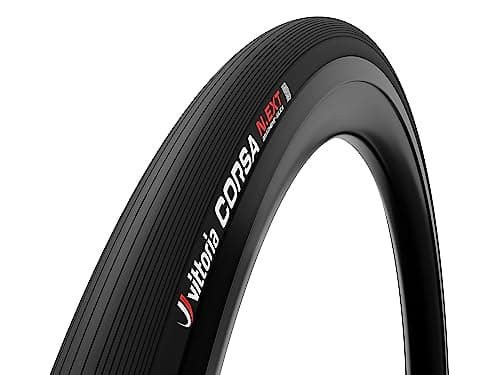
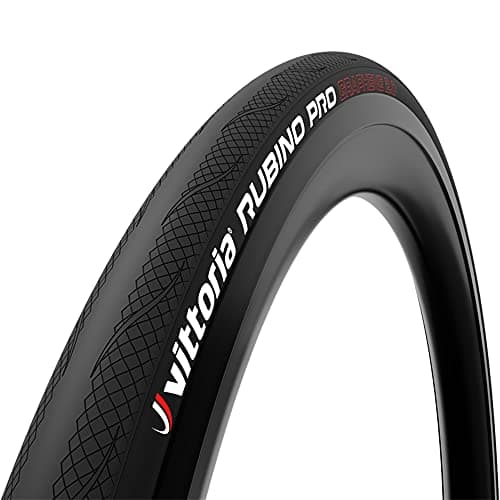
- Performance all-round. The compromise most riders should buy: a real puncture belt with most of the speed. The GP5000, Pro One and Corsa N.EXT live here.
- Training and commuting. Heavier casing, more rubber, longer life, more protection. The Ultra Sport III is the example, and its E25 rating shows the priorities.
The most common mistake in this category is buying a race tire for training miles because the reviews are better. Reviews are written by people riding in the dry on good roads — which is the exact condition where a race tire is best and the least like a February commute.
What a listing will not tell you
Two specs matter enormously and appear on none of these listings: TPI (the casing thread count, a decent proxy for suppleness) and actual measured width on a given rim. Both are published by some manufacturers on their own sites and by independent testers; neither is in the box you are buying from. Where a listing does name a casing or a compound — Schwalbe’s Super Race carcass and Addix Race compound are the clearest examples here — that is genuinely more information than the category usually offers.
What we could not check
We have not rolled a tire on a drum, measured widths on a rim, or run a puncture test. Every specification above is quoted from the live Amazon listing on 18 August 2026 or from the manufacturer’s own published material, and the ranking is built on what those sources say plus the mechanism arguments linked above. No tire on this page has been ridden by us, and no publisher without a lab can honestly tell you otherwise.
Measure your clearance first. Frame and fork clearance, with mudguards if you run them, decides your maximum width before any performance argument starts. A 28 mm tire on a wide modern rim measures wider than the number on the sidewall.
Match the tier to your riding, not to the reviews. Race casings are fast and fragile; training casings are slow and tough. Most riders want the all-round middle, and most reviews are written from the race end.
Check tubeless compatibility on both sides. The tire has to be tubeless-ready and so does the rim. Buying half a tubeless setup is the most expensive misunderstanding in this category.
Buy in pairs, and note the listing. One of these listings is a two-pack; the rest are singles. That difference can double the real price of the tire you thought was cheapest.
Wider usually beats lighter. Going from 25 to 28 mm at the correct pressure is the cheapest comfort and grip upgrade available to a road bike, and the published work on impedance says it rarely costs you speed on real surfaces.
And check whether you actually need new tires yet. Tread depth is close to useless as a gauge on a bicycle; when to replace bike tires sets out Schwalbe’s published wear limit, its mileage ranges and the sidewall failure that usually arrives first.