The promise of this category, and the thing it quietly does not promise
Bikepacking luggage exists because racks and panniers demand things from a bike that a lot of modern bikes cannot give: eyelets on the dropouts, mounts on the seatstays, clearance between a pannier and a wide tire. A seat pack, a handlebar roll and a frame bag need none of that. They strap on. That is the entire reason the category exists and it is a genuinely good one.
It is also where the marketing stops being accurate. “No rack required” is true. “Fits any bike” is not, and no listing on this page actually says it — what they say is “universal”, or nothing at all. A seat pack needs exposed seatpost. A handlebar roll needs bar width and clearance underneath for your cables. A frame bag needs a triangle of a particular shape. A fork cage needs bolts in your fork. Every one of those is a measurement on your bike, and none of the ten listings here publishes the measurement it needs.
This site has already taken a public position on exactly this problem: our e-bike accessories pagestates that we will not recommend a rack or a fender for a specific bike, because fit is frame-specific and we hold no fitment data. Bikepacking bags are the category built to route around that problem — which is why they can be ranked here at all — but the honest version of the ranking is about mounting points, not about which bag is best.
Five places to put a load, in the order they are worth filling
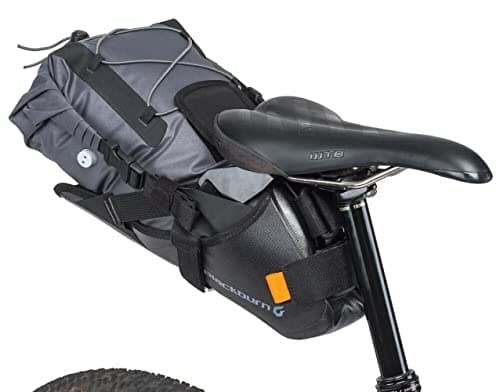
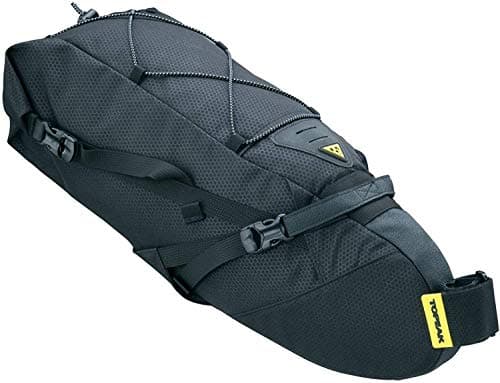
1. Behind the saddle.The biggest rack-free volume on a bike and the easiest to live with, because weight behind the saddle barely affects steering. It needs exposed seatpost — roughly a hand’s width is the practical floor — and it will sway if you under-pack it. Soft, bulky, light: sleeping bag, clothes, jacket.
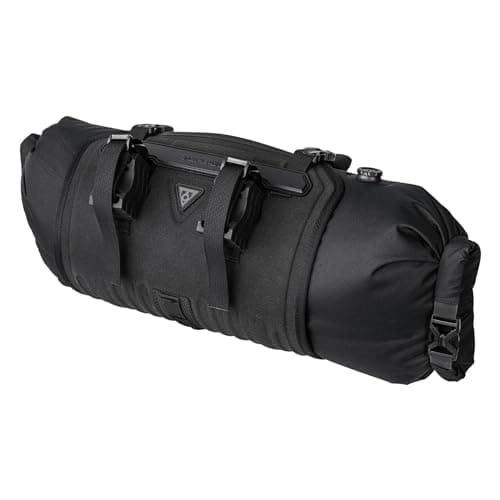
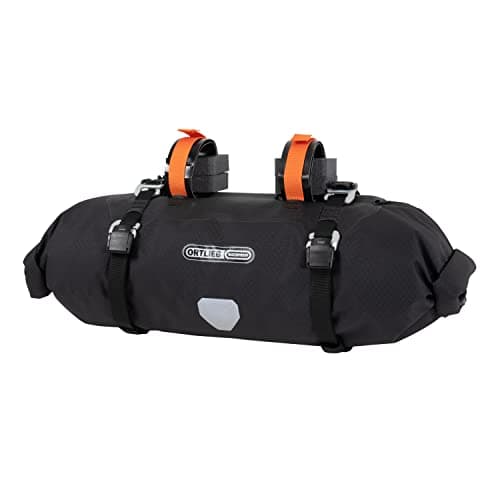
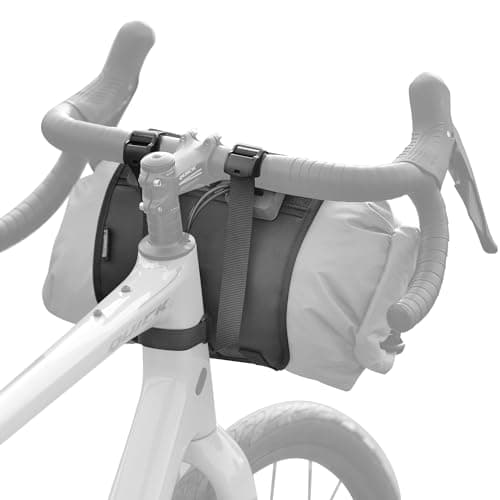
2. On the handlebar. The second-biggest volume, and the position that costs you the most in handling, because weight out at the end of the steering lever is weight you feel in every corner. Same cargo rule as the seat pack: light and bulky. On a drop bar, the constraint is the width between the hoods and whether your cables leave room underneath.
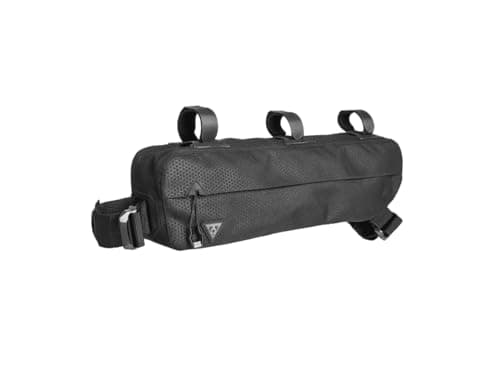
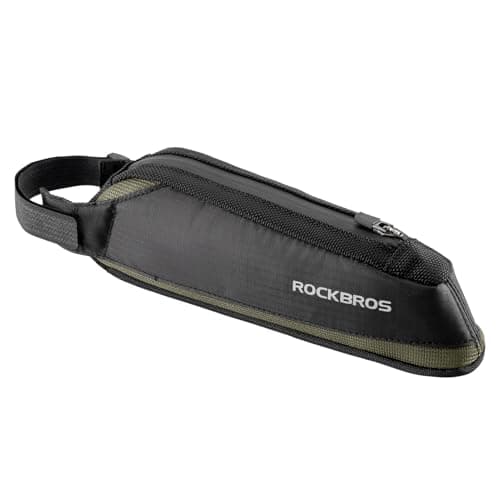
3. In the frame triangle.The best place on a bicycle for dense, heavy things — low, central, between the wheels. It is also the most fit-dependent, and it usually costs you a bottle cage. Where your water goes is a decision you have to make before you buy a frame bag, not after.
4. On the fork. Only if your fork has three-pack bosses, and if it does, this is where the next heavy thing should go. It keeps weight low, off the bars and off the back. Check the fork legs for the holes before you spend anything here.
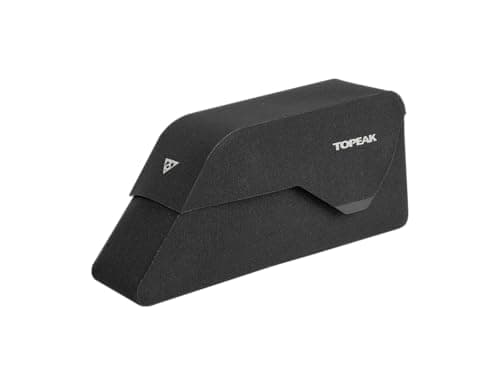
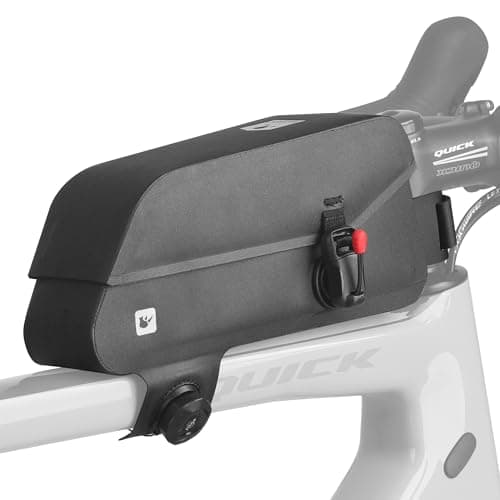
5. On the top tube. No real capacity, enormous convenience. This is where the food and the phone live, because it is the only bag you can open while riding.
“Waterproof” is an adjective in this category, with one exception
Count the words across these ten listings and you get waterproof, water-resistant, weatherproof, dry bag and seals out rain. Five phrases for one idea, none of them defined, used interchangeably by sellers who are not trying to deceive anyone — there is simply no agreed meaning.
One listing publishes a measurement: Topeak’s BackLoader states a 10,000 mm-rated rain liner. That is hydrostatic head — the height of a water column a fabric holds before it leaks — and it is the same family of number this site already had to go hunting for on cycling jackets, where exactly two of seven brands published one. Note what is and is not rated: the figure belongs to the liner, not the outer shell.
The practical consequence is the same one the jacket page reached. Buy the rating where it exists, and where it does not, assume the bag is shower-resistant and put anything that must stay dry inside a separate dry bag. Sleeping bags and down go in a liner regardless of what the outer bag claims.
The load limit nobody publishes except once
Topeak’s MidLoader states “Carries Up to 6.5 kg” and “Only 195 g”. That is one listing out of ten giving you a load limit, and two out of ten giving you an empty weight (the TopLoader publishes 148 g).
It matters more than it sounds. Straps and buckles are what fail on bikepacking bags, and they fail under load on rough ground, usually at the worst moment. A 6.5 kg ceiling on a 4.5 L bag tells you something real: that volume filled with tools and water is already near the limit, because water is a kilogram a liter. Nine other bags here leave you to guess, which in practice means people load a seat pack with tools until it sags into the tire.
The general rule that survives the missing data: dense things low and central, bulky things at the ends. Tools, water and food in the frame bag or the fork cages. Sleeping kit and clothes in the seat pack and the handlebar roll. If you find yourself putting a multitool in a handlebar roll, something has gone wrong with your packing, not with your bags.
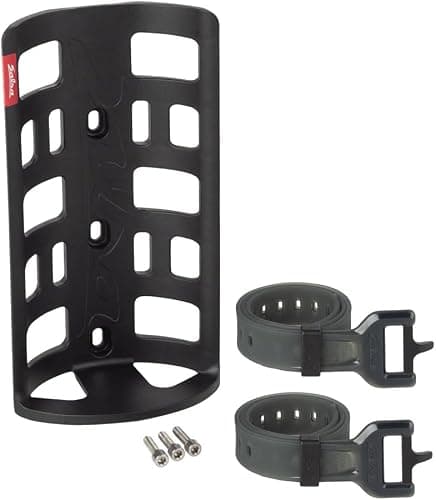
Not a ranking. A loaded bike a long way from a town is the one situation where a repair you cannot do becomes a walk, and these are the three objects that decide it. Every one of them is already researched on this site under its own roundup.
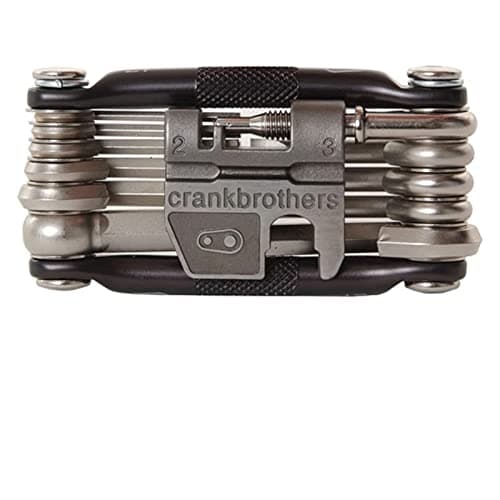
The tool. A loaded bike needs the strap bolts, the cage bolts and the rack bolts tightened mid-trip, and a seventeen-function multitool covers the hex sizes those use. Our multitool roundup ranks the whole category.
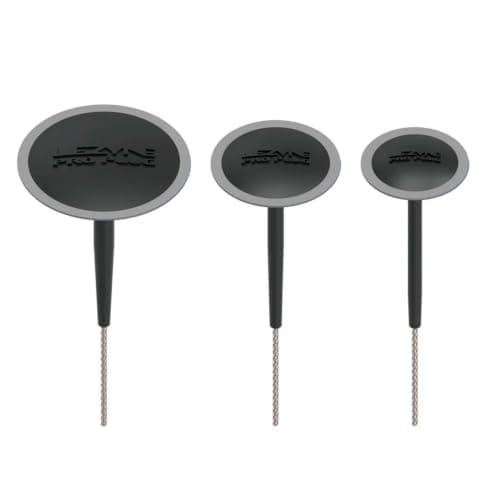
The flat. Gravel is where thorns live, and a plug kit fixes a tubeless tire without taking the loaded wheel out of the bike — which with a seat pack fitted is the job you want to avoid.
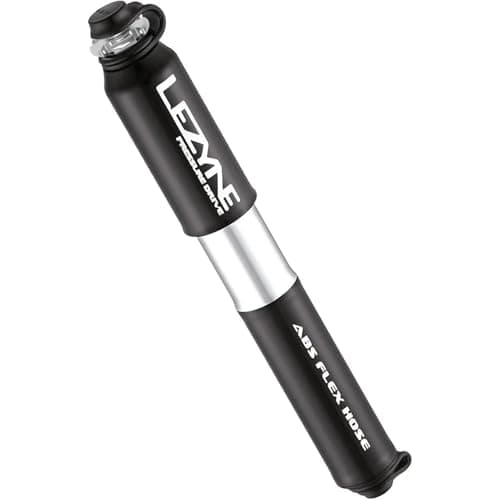
The pressure. A mini pump is the only thing that gets you home after a plug or a tube change, and it is the one item in this list with no alternative on an empty road.
We haven’t tested any of these — they’re the parts the job above calls for, listed so you don’t have to go hunting. Prices are live from Amazon and we earn a commission if you buy. Prices as of October 19, 2026. #ad
What a loaded bike does differently, and what to change before you go
Weight changes two things that matter and one that does not. It does not meaningfully change your tire choice — the surface still decides that. It changes tire pressure and it changes gearing.
Pressure first: every published pressure recommendation in cycling is a function of the load on the tire, and adding 8 kg of luggage is a change in load. Our gravel tire pressure guide covers how to work from your system weight rather than from a number on a sidewall, and a loaded bike is the most common case where people get this wrong in the low direction and pinch-flat.
Gearing second. The gravel hub’s standing position is that a lowest ratio under 1:1 is what separates a gravel bike from an endurance road bike, and that bar was set for an unloaded bike. Gearing explained does the arithmetic; the short version is that a bike you can just about climb on empty is a bike you will walk when it is carrying your tent.
What this page is not: panniers, racks and the commuting case
If your bike has rack eyelets and your trips start and end at home, a rack and panniers carry more, cost less per liter and do not sway. That is not an argument against anything on this page — it is a different product for a different bike. We do not rank racks or panniers here for the fitment reason stated above: those are frame-specific purchases and we hold no fitment data.
For day rides, the small end of this category is already covered elsewhere on the site. The saddle bag roundup ranks the tool-and-tube wedges that live under the saddle permanently, which is a completely different object from a 6 L seat pack, and what to carry on a bike ride is the list those bags are sized around. If you are commuting on a gravel bike rather than touring on one, that page names the real drawback and it is theft, not capacity.
What we could not check
Nothing on this page has been ridden, loaded, weighed or rained on. Every “Listing:” specification above is the live Amazon listing text for the exact ASIN linked, read on 19 October 2026. No manufacturer page is cited: the capacities, ratings and weights quoted here are the seller’s own published claims and nothing more.
The specification that would decide every purchase on this page — the minimum exposed seatpost, the bar width range, the frame triangle dimensions, the fork boss spacing — is published by none of these ten listings, so this page cannot tell you whether a given bag fits your bike. What it can do is tell you which measurement to take before you order, and which bags publish enough about themselves to be held to anything at all.