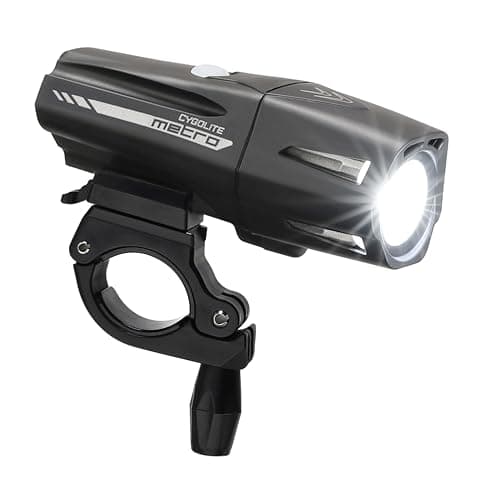
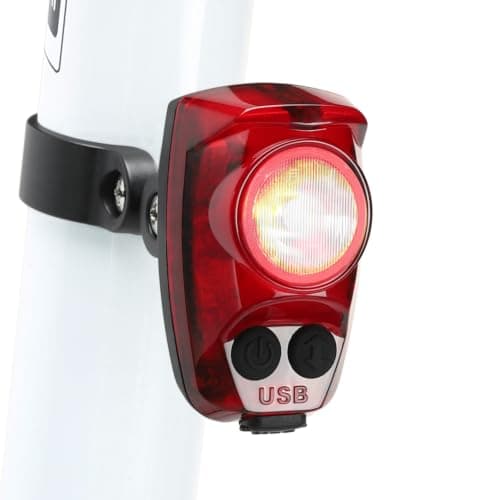
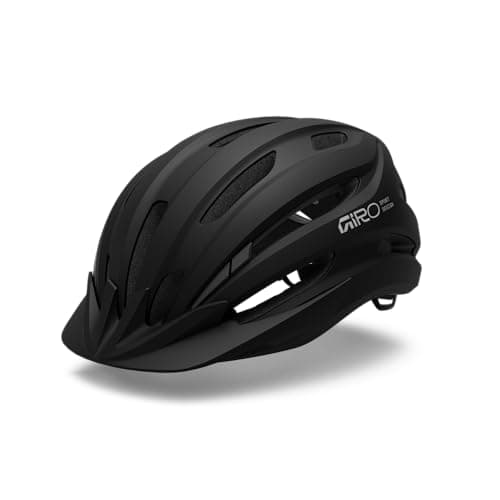
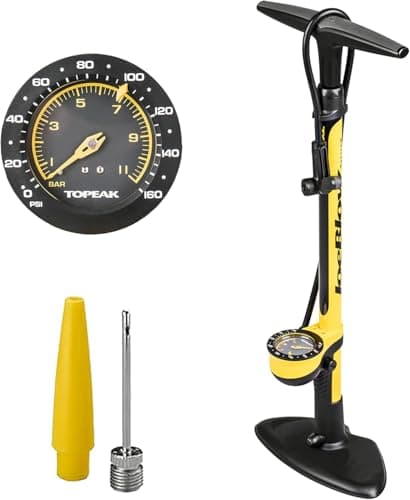
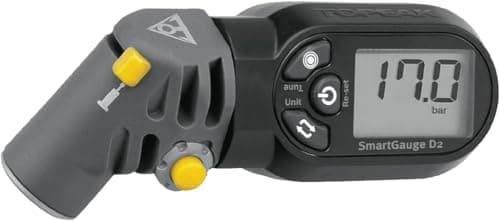
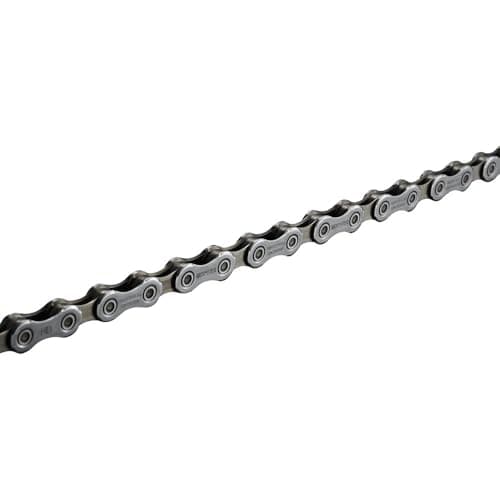
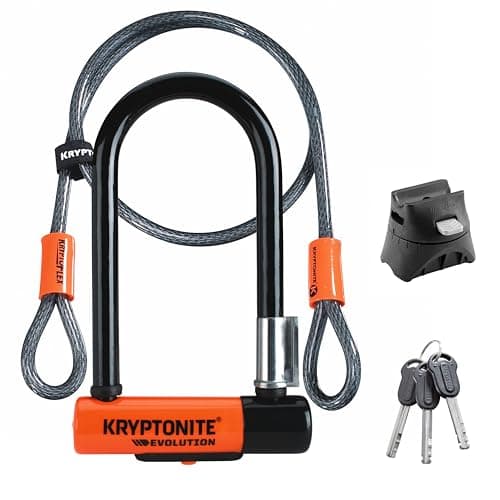
Buy the lock first. If you are only buying one thing from this page, it is the Kryptonite Evolution Mini-7 — a 13 mm hardened steel shackle guarding the most expensive object you are likely to leave outdoors. Lights come second, a helmet third if you do not already own one, and the pump, gauge and chain are the three things you will be glad you bought in month six rather than week one.
That order is the whole argument of this page, so here is where it comes from. Three facts about an e-bike are different from the bicycle it replaced: it is heavier, it is faster, and it is worth substantially more. Every item below is here because one of those three facts changes the purchase, and the order is the size of that change. Nothing here is ranked on quality — each one has already been ranked against its own category on another page of this site, and the specs quoted below are read straight from those pages so the two cannot disagree.
What makes an accessory “e-bike” rather than just bike
Almost nothing, honestly, and that is worth saying out loud on a page with “e-bike” in the title. A lock does not know what it is locking. A floor pump does not care whether a motor turns the wheel. The e-bike marketing aisle is full of products whose only electric content is the word on the box.
There are, however, four places where a published figure genuinely changes:
One: value, which changes the lock. An e-bike is a four-figure object with a removable battery that is itself worth hundreds. That is a different theft proposition from a commuter bicycle, and it is the only reason the lock outranks the lights here.
Two: speed, which changes the lights and the helmet. Several listings in our catalog publish 28 mph. A Class 3 e-bike is legally defined by assistance up to that speed, and many states attach a helmet requirement to that class specifically. Faster also means arriving at the dark part of the road sooner.
Three: weight, which changes the pump and the gauge. More mass on the same tire means pressure matters more, and e-bikes mostly run wide tires at low pressures with car-type valves. A drop-bar rider’s high-pressure pump is the wrong instrument for all three of those.
Four: motor torque, which changes the chain — on some bikes. A mid-drive motor puts its torque through the chain. A hub motor never touches it. If you do not know which you have, our hub vs mid-drive comparison is the page that sorts it out, and it matters here because it decides whether the chain is a consumable or just a chain.
The accessory most e-bike owners buy too late
A way to carry the bike on a car. This is where e-bike weight stops being trivia and becomes a specification you have to meet: our car bike rack roundupfound that three of ten rack listings publish a weight capacity at all, and the two that publish a per-bike figure differ by a factor of 2.3 — 35 lb against 80 lb. An e-bike clears the first number and not by a little. Weigh the bike, get the rack’s per-bike limit for your exact variant, and treat “e-bike compatible” with no number behind it as an unanswered question.
The accessories we are not recommending, and why
A fender set, a rear rack or a basket. All three are genuinely useful and none is in our catalog, because fit is frame-specific and we hold no fitment data for your bike. Recommending a universal rack we cannot verify fits is exactly the guesswork this site exists to avoid.
A spare battery. The single most asked-for e-bike accessory and the one we will not list, because a battery is proprietary to the bike, and a third-party pack is an electrical component bought from a listing with no certification you can check. The battery is also the component that needs the most care and the least improvisation.
A phone mount or a bike computer. Most e-bikes ship with a display that already shows speed, assist level and battery state. Adding a computer duplicates most of that; our computer vs phone comparisoncovers the case where it still makes sense. If you do put a phone on an e-bike bar, the display is already occupying the middle of it — the phone mount roundup is where the free-span and bar-diameter problem gets worked through.
A motor “upgrade” or a derestriction kit. 15 U.S.C. § 2085 defines a low-speed electric bicycle as having a motor of less than 750 watts and a top motor-only speed of less than 20 mph. Changing either figure can take a bike outside that definition, and we will not help with that.
And the accessory question that turns into a whole procedure once you own the rack: how to transport an e-bike — including why the battery comes off before you drive, and the plate-visibility law a loaded rear rack runs into.