The number every bottle publishes, and the number none of them does
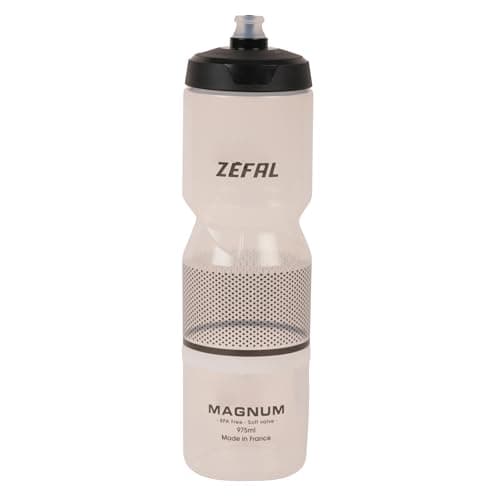
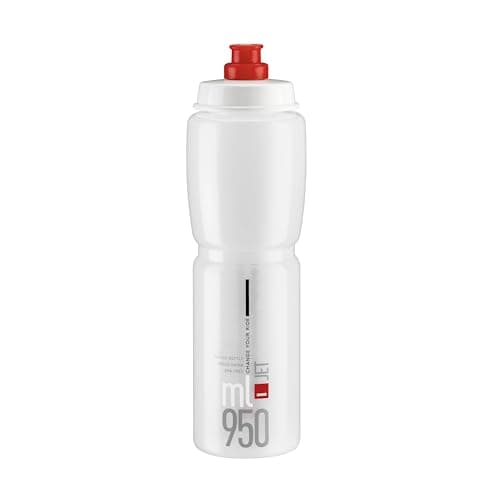
All nine bottles here publish a capacity. That is unusually good disclosure by the standards of this site — on cycling tights, none of ten listings published the figure buyers actually want, and on indoor trainers exactly one did.
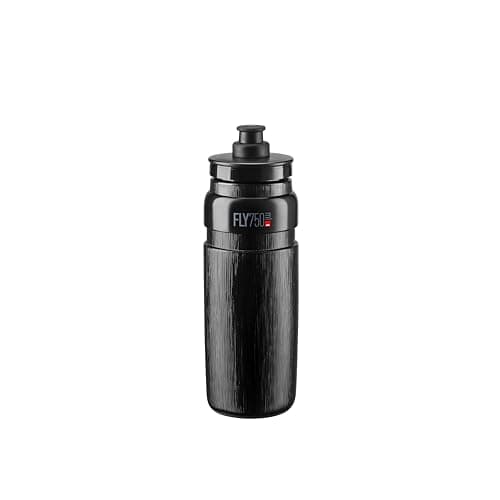
They publish it in three different units, though. Four bottles here state ounces, three state millilitres only, and two state both. So comparing a 750 ml race bottle with a 24 oz all-rounder requires an arithmetic step before you can even tell which is bigger (the 24 oz one, by about 40 ml).
And then there is the number that decides whether the bottle works at all: its diameter. A cage grips a bottle around its barrel. Bottles are not all the same width — an insulated bottle is noticeably fatter than a thin race bottle, and a stainless one is a different shape again. None of these nine listings publishes a diameter.Two make an adjective-level claim (“Secure Bike Cage Fit”, “Fits Most Cages”) and the other seven say nothing about cages at all.
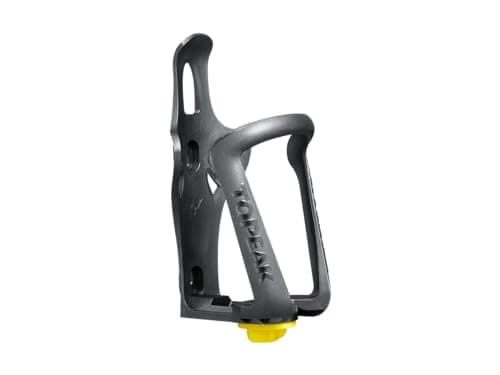
Meanwhile the one cage in the Essentials block below that publishes a compatibility range states it as 51–73 mm. So the only published fit number in this entire category is on the cage, and there is no published bottle number to check it against. That is the single most useful thing on this page: if you have an unusual bottle or an unusual cage, the adjustable cage is the answer, because nothing else here lets you verify the match before buying.
Insulated, and what that word is worth
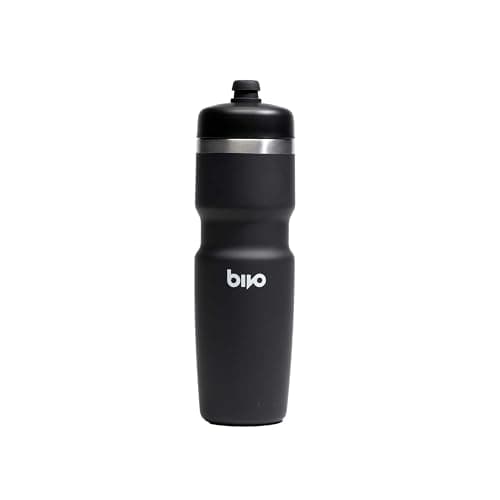
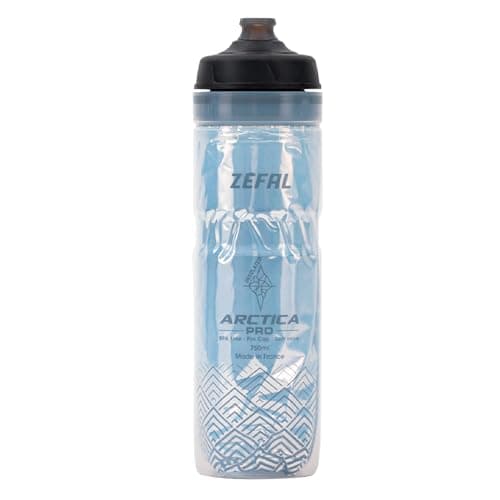
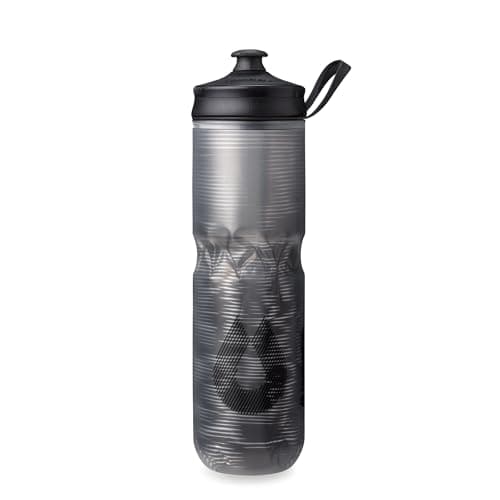
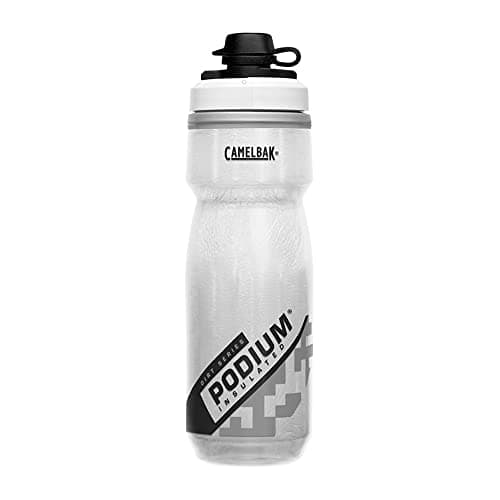
Three of these nine bottles make an insulation claim, and they make it three different ways: “Tri-Layer Insulation”, “Multi-Layer Thermal Insulation”, and “Insulated Stainless Steel”. A fourth bottle has the word Chill in its product name and makes no insulation claim in the listing at all, which is why it is ranked last here rather than ranked on an implied feature.
Exactly one listing attaches a figure to the claim: Bivo’s “Keeps Drinks Cold 12+ Hours”. Treat that the way this site treats every unvalidated maker claim — there is no stated starting temperature, no ambient temperature and no end temperature, so it is a published figure rather than a measured one. It is still the only figure in the category, and a published number beats an adjective.
The practical ordering, which no listing states and which follows from physics rather than marketing: a vacuum-walled steel bottle holds temperature far longer than a foam-walled plastic one, a foam-walled plastic one holds it longer than a single-wall bottle, and every one of them loses to a bottle you filled with ice. The trade is weight, squeeze and volume — insulation takes up space inside the same external shape, which is why the two insulated bottles here are 21 and 25 oz rather than 33.
The cap is the part you interact with, and it is barely described
You open a bike bottle at speed, one-handed, usually without looking. That makes the cap the most important part of the product and the least documented. Four of these listings describe a cap mechanism in any detail; the rest give you a word or nothing.
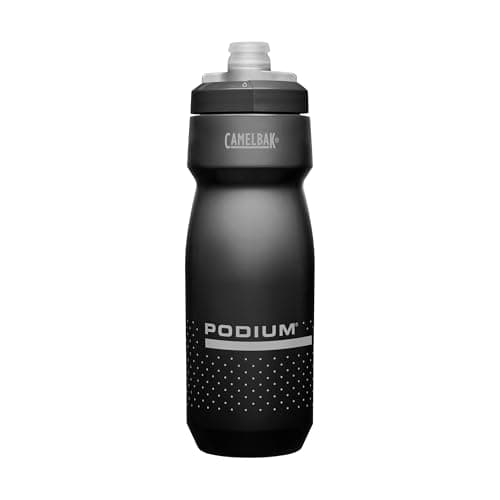
There are three designs in circulation. A self-sealing valve(CamelBak’s Podium, HydraPak’s Polar) stays shut until you bite and squeeze, so it does not leak in a jersey pocket or a bag — at the cost of a part that must be taken apart and cleaned. A pull-up nozzle is the classic bike cap: simple, cheap, cleanable, and it will dribble if you leave it open. A high-flow nozzle trades sealing for the number of seconds your hand is off the bar.
If the bottle only ever lives in a cage, the simplest cap is the best cap. If it also goes in a bag — which is the real case for most people, and the reason a bikepacking frame bagusually costs you a cage position — buy a published leakproof claim and a self-sealing valve.
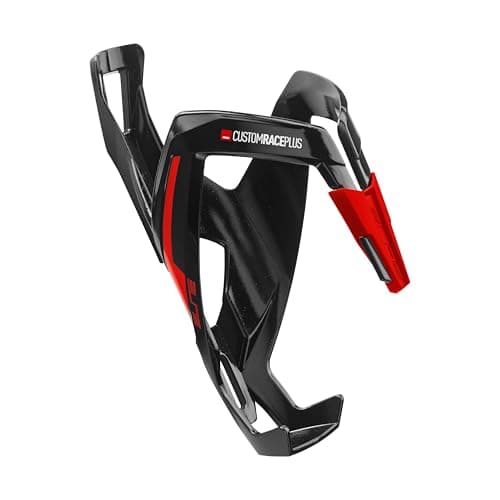
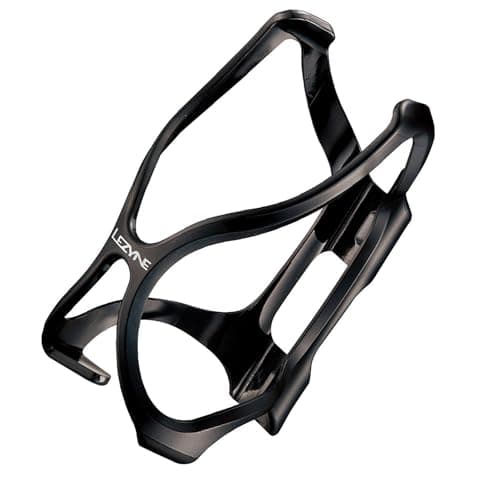
Not a ranking. A bottle is only as good as the thing holding it, and a worn or badly matched cage is why bottles get ejected on rough roads. These are the three cages that resolved for this page, and the third one is the answer to the fit problem the bottles above create.
The fit problem, solved. This is the only product on this page that publishes a compatibility range — 51 to 73 mm — and it adjusts, so it holds a thin race bottle, a fat insulated one and a store-bought drink bottle. Topeak also publishes 52 g. If you own bottles of mixed shapes, buy this.
The grip. Elite's listing describes a self-adjusting fibre-reinforced cage built for road, MTB and gravel. A self-adjusting cage is the usual answer to the problem a non-adjustable one develops: it loosens with age and starts dropping bottles over rough ground.
The simple one. Composite matrix construction with Lezyne's X-Grip, which is a fixed-shape cage built around a standard bottle barrel. The right choice when all your bottles are the same conventional size and you want the cheapest reliable hold.
We haven’t tested any of these — they’re the parts the job above calls for, listed so you don’t have to go hunting. Prices are live from Amazon and we earn a commission if you buy. Prices as of October 19, 2026. #ad
How many bottles, and where the second one goes
Most drop-bar frames carry two cages: one on the down tube, one on the seat tube. The down tube position is the easier reach and the better place for the bottle you drink from; the seat tube is the reserve. Small frames often only fit one bottle, and that is the case where the 33 oz bottle on this page earns its awkwardness.
A frame bag competes directly for that space, which is why the bikepacking page tells you to decide where the water goes before buying one. The usual answers are a fork-mounted cargo cage, an oversized single bottle, or a bladder in a bag.
Cages bolt to the frame with two small bolts, and those bolts go into the frame itself — which on a carbon frame makes them exactly the kind of fastener people over-tighten. Our torque guide collects the published figures by fastener type; cage bolts are among the lowest on a bike, and stripping one is a frame repair rather than a part replacement.
Cleaning, which is the actual reason bottles get replaced
Bike bottles are not usually worn out when they are thrown away. They are thrown away because of what is growing in the cap. Sports drink, sweat and twenty-four hours in a warm car is a culture medium, and a self-sealing valve is a damp, dark, awkwardly-shaped place.
One listing on this page publishes a dishwasher claim (the stainless Bivo) and one publishes “Easy Clean Components” (the CamelBak Podium, meaning a cap that comes apart). For everything else, the honest advice is the obvious advice: rinse it the day you ride, take the cap apart when you can, and do not let sports drink sit in a sealed bottle overnight. A clear bottle has an underrated advantage here — you can see the problem before you drink it.
Riding indoors, where this calculation inverts
One case deserves its own paragraph because it breaks every rule above. On a trainer there is no airflow, so there is no evaporative cooling, and sweat rates go far beyond anything you produce outdoors at the same power. Our indoor trainer pagemakes the same point about clothing. Indoors, capacity beats every other consideration here — the biggest bottle on this page, or two of them, and a fan.
What we could not check
Nothing on this page has been drunk from, weighed, timed or temperature-tested. Every “Listing:” specification above is the live Amazon listing text for the exact ASIN linked, read on 19 October 2026. No manufacturer page is cited.
Two specific omissions are worth naming because they cost a product a position. The Purist is bought for an interior coating that its listing does not mention, so this page does not state it. The Podium Dirt Chill has the word Chill in its name and no insulation claim in its listing, so this page does not credit it with insulation. In both cases the reputation is real and the published specification is not there, and on this site the published specification is what the ranking runs on.