Skip to content
ChainringClub

What to Carry on a Bike Ride

Ranked by consequence, not by price. Number one is the thing whose absence ends the ride and starts the walk. Number six is the thing you will merely be annoyed about.

A cyclist working on a bicycle wheel at the side of a rural road.
By Stephen V.Published September 18, 2026How we research

Heads up: we earn a commission if you buy through the links on this page, at no extra cost to you. It never decides what makes the list — here’s how that works.

Quick picks

Tap any row for the full write-up. Specs are the manufacturer's own published claims, read on 17 July to 18 August 2026, via the source roundups and each item's live listing.

#ProductBest forPrice
1
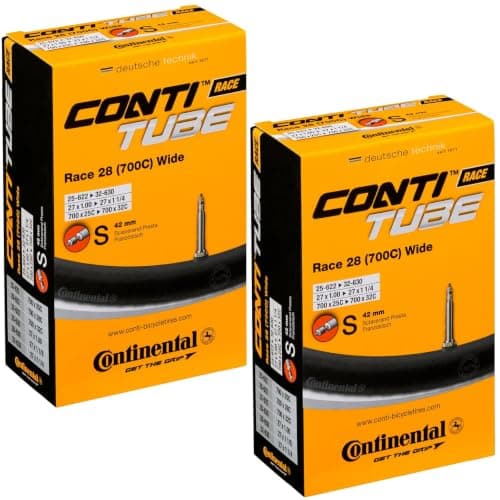
Continental Race 28 Inner Tube

Continental Race 28 Inner Tube

The one item whose absence turns a ten-minute stop into a long walk — and the item whose size you have to get right before you leave.

Top pick
Every rider, every ride, no exceptions
2
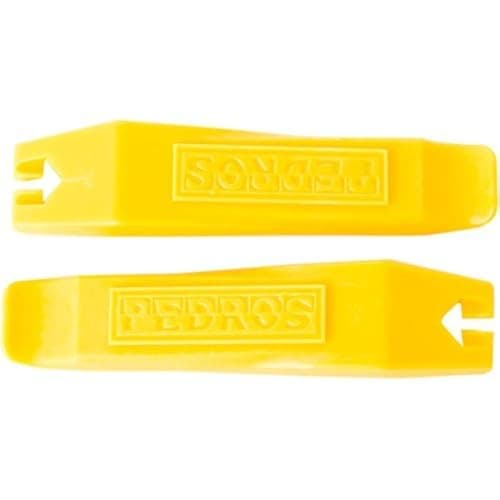
Pedro's Tire Levers

Pedro's Tire Levers

The cheapest thing in the bag and the one most likely to be the reason you are still standing there — a tire that will not come off is a ride that is over.

Getting a stubborn bead off a rim
3
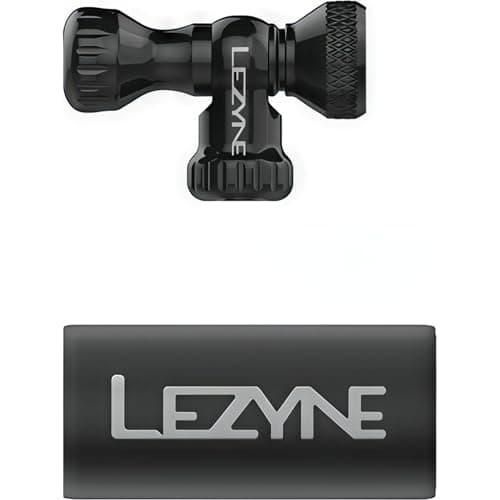
Lezyne Control Drive CO2 Inflator

Lezyne Control Drive CO2 Inflator

The fast way to put air back in — a cartridge inflator that turns the inflation step into about five seconds, with nothing to pump.

Riders who want the stop to be short
4
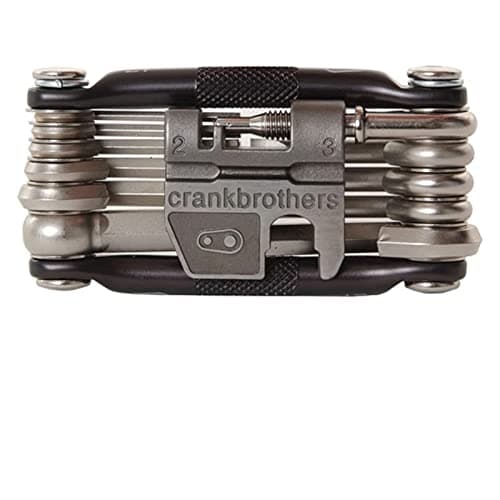
Crankbrothers M17

Crankbrothers M17

Seventeen tools including a chain breaker — the difference between fixing a snapped chain by the road and calling someone.

Anything that is not a puncture
5
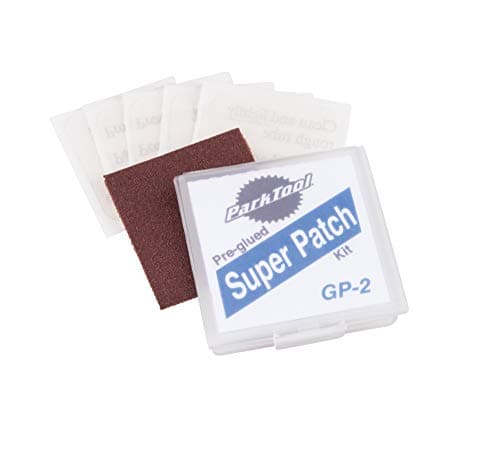
Park Tool GP-2 Super Patch Kit

Park Tool GP-2 Super Patch Kit

The backup to the backup: a patch kit weighs almost nothing and covers the second puncture your one spare tube does not.

Long rides and second punctures
Check price on Amazon →

No buyable offer right now — the link still shows the current listing.

6
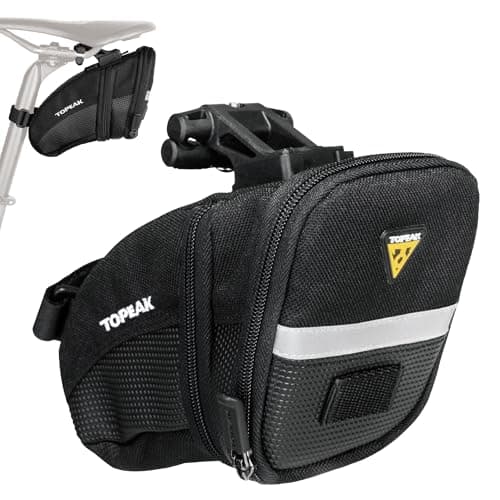
Topeak Aero Wedge Pack

Topeak Aero Wedge Pack

Somewhere to put all of the above that is not your jersey pocket — a bracket-mounted wedge that expands when the kit grows.

Carrying the kit without noticing it

The ranking on this page is not a quality ranking. It is a consequence ranking: what happens if you do not have it. A spare tube is first because without one, a puncture ten miles out is a walk. A saddle bag is last because it fixes nothing — it just means you never forget the rest. Six objects that do six different jobs cannot be ranked any other way without inventing a rubric.

We have not tested any of it. What we can do is tell you which numbers to check before you buy, because three of these six items can be bought in the wrong size, and a spare tube that does not fit your wheel is worse than no spare tube at all — it is dead weight that felt like insurance.

The five-minute version

Tube, levers, something that makes air, a multitool, patches, a bag. That is the whole list, and it has not changed in thirty years. Everything else — a rain shell, food, a spare quick link, cash, a phone — is personal. These six are structural.

The three sizes you have to get right

Tube width. Read your current tire’s sidewall: it says something like 700x28. The tube must cover that width. Park Tool is blunt about what happens either side of the range — a tube too narrow for the tire becomes thin when inflated and punctures more easily, while one too wide will not fit inside the casing and can blow out.

Valve type. The slim valve with a small nut on top is Presta; the fat one like a car tire is Schrader. They are not interchangeable and your pump head has to match too. Our Presta vs Schrader guide covers the whole thing, including what to do if the rim hole is the wrong size.

Valve length. The Continental above publishes a 42 mm stem. On a deep aerodynamic rim that will not protrude far enough to attach a pump, and you need 60 mm or 80 mm instead. Measure by looking at the tube already in your wheel.

CO2 or a pump?

Cartridges are fast and finite. A hand pump is slow and infinite. The honest split: if your rides are close to home or in a group, a cartridge inflator is the better experience virtually every time. If you ride alone, long, or somewhere without phone signal, carry a pump — Lezyne publishes a 120 psi rating and Presta and Schrader compatibility for its hand pump, and a pump that cannot run out is worth the extra weight.

A note nobody mentions: CO2 permeates through a butyl tube far faster than air does. A tire inflated with a cartridge will be noticeably soft the next day. That is not a failure, it is chemistry — top it up with a floor pump when you get home. Our floor pump vs mini pump comparison sets out where each one belongs.

What we deliberately left off

A lock, unless you are stopping. A good lock is heavy enough to change how a ride feels, and our lock roundup explains why the light ones are not worth carrying. A chain tool as a separate item — the multitool above has one. Tubeless plugs, because they only apply if you run tubeless, in which case our tubeless flat guide is the page you want and the kit is different. And a spare tire, which is a bikepacking decision rather than a day-ride one.

Practise the repair once, at home

The most common reason a rider with a full saddle bag still ends up walking is that they have never taken a tire off. Park Tool publishes the full procedure for tire and tube removal and installation, and our own how to fix a flat walks through it in the order you will actually meet the steps. Do it once on the kitchen floor with good light and clean hands. It takes fifteen minutes and it is the highest-value fifteen minutes in this entire article.

Restock the day you use it

The failure that catches experienced riders is not forgetting the kit. It is riding home on the spare, hanging the bike up, and setting out three weeks later with an empty bag and a used cartridge. That is why the tube above is a two-pack, and why the patch kit is on the list at all.

The picks, in detail

1

Continental Race 28 Inner Tube

Top pick
Continental Race 28 Inner Tube
$17.90 · View on Amazon

Price as of October 18, 2026. #ad

Best for: Every rider, every ride, no exceptions

The one item whose absence turns a ten-minute stop into a long walk — and the item whose size you have to get right before you leave.

  • Listing: Continental Race 28 Wide, 700x25-32c road bike inner tubes
  • Listing: 42 mm Presta valve
  • Listing: 2 pack

Park Tool sets out the two rules that make this the item to get right: an inner tube should match the tire width — too narrow and it stretches thin and punctures more easily, too wide and it will not seat — and rims with a tall cross-section need longer stems, 60 mm or 80 mm. Our inner tube roundup ranks the aisle on exactly those numbers.

Good

  • Ranked first because nothing else on this page rescues a ride without it — levers and a pump are useless with no tube to fit
  • The listing publishes the width range (700x25-32c) and the valve length (42 mm), which are the two numbers that decide whether it fits your wheel
  • A two-pack means one lives in the bag and one stays in the drawer, which is how you avoid riding home on a repaired ride and forgetting to restock

Less good

  • Presta only — if your bike has the fatter Schrader valve this is the wrong tube
  • 42 mm of valve is not enough for a deep-section rim; deep rims need 60 mm or 80 mm
  • Rated to 700x25-32c, so it is a road tube and not a gravel one

Skip it if: Your rim is deep-section or your tire is wider than 32c. Check the sidewall of your current tire for the two numbers and the valve length of the tube already in the wheel before ordering — Park Tool's fit standards article explains both.

2

Pedro's Tire Levers

Pedro's Tire Levers
$8.50 · View on Amazon

$9.99 −15%

Price as of October 18, 2026. #ad

Best for: Getting a stubborn bead off a rim

The cheapest thing in the bag and the one most likely to be the reason you are still standing there — a tire that will not come off is a ride that is over.

  • Listing: Pedro's Bicycle Tire Lever, pair
  • Listing: pack of 2, yellow

Good

  • A tube with no way to reach it is not a spare, which is why levers rank above inflation here
  • Two is the working number: one hooks to a spoke, the other travels around the rim
  • Bright yellow, which matters more than it sounds when you drop one in long grass

Less good

  • Plastic levers can break on a genuinely tight tubeless bead
  • No published material or strength figure on the listing
  • They are the item most often left at home because they weigh nothing and feel optional

Skip it if: Nothing, honestly. If you own one pair already, put a second in the other bike's bag — this is the cheapest redundancy on the whole list.

3

Lezyne Control Drive CO2 Inflator

Lezyne Control Drive CO2 Inflator
$29.59 · View on Amazon

Price as of October 18, 2026. #ad

Best for: Riders who want the stop to be short

The fast way to put air back in — a cartridge inflator that turns the inflation step into about five seconds, with nothing to pump.

  • Listing: LEZYNE Control Drive CO2 bike tire inflator

Good

  • Inflation is the slow, sweaty part of a roadside repair, and a cartridge removes it entirely
  • Small enough to live in a wedge bag permanently alongside the tube and levers
  • No moving parts to seize between the two times a year you need it

Less good

  • Cartridges are single-use consumables, so a second flat on the same ride finds you empty
  • CO2 leaks through butyl faster than air; the tire will be soft by the next morning and needs topping up
  • The listing publishes the inflator and not the cartridge count — check what is in the box at purchase

Skip it if: You ride far from anywhere, alone. A hand pump is slower and heavier and does not run out; the Lezyne below is the answer for genuinely remote riding, and plenty of riders carry both.

4

Crankbrothers M17

Crankbrothers M17
$27.99 · View on Amazon

Price as of October 18, 2026. #ad

Best for: Anything that is not a puncture

Seventeen tools including a chain breaker — the difference between fixing a snapped chain by the road and calling someone.

  • 17 functions (per the model name)
  • Nickel finish
  • Listing doesn't itemize the functions

Ranked fourth, not first, deliberately. Mechanical failures that need a multitool are rarer than punctures — but when one happens, nothing else in the bag substitutes. Add a spare quick link in the right speed for your drivetrain and this becomes a genuine get-home tool; our chain sizing guide explains which link you need.

Good

  • Carries a chain breaker, which is the one roadside repair that cannot be improvised with anything else
  • Hex 2 to 8 mm plus T10 and T25 Torx covers essentially every bolt on a modern bike
  • The top pick on our multitool roundup, ranked on published bit count and coverage

Less good

  • Heavier than the minimalist tools on the same roundup
  • A chain breaker is useless without a spare quick link, which is not in the box
  • Seventeen functions is more than most riders will ever use

Skip it if: You want the lightest possible kit and have never broken a chain. Our multitool roundup has smaller tools that cover the bolts and skip the chain breaker.

5

Park Tool GP-2 Super Patch Kit

Park Tool GP-2 Super Patch Kit
Check price on Amazon →

No buyable offer right now — the link still shows the current listing.

Best for: Long rides and second punctures

The backup to the backup: a patch kit weighs almost nothing and covers the second puncture your one spare tube does not.

  • Listing: Park Tool GP-2 Super Patch Kit

Good

  • Glueless patches are the lightest insurance available against the ride-ending second flat
  • Takes up less room in a wedge bag than anything else on this page
  • Park Tool publishes a dedicated inner tube repair procedure for them

Less good

  • Glueless patches are a get-home fix, not a permanent repair
  • Needs a clean, dry tube surface, which is exactly what roadside conditions do not offer
  • Useless without levers and a way to inflate — this is a supplement, not a substitute

Skip it if: Your rides are short loops close to home. On a ten-mile loop the second puncture is a phone call; on a century it is two hours of walking.

6

Topeak Aero Wedge Pack

Topeak Aero Wedge Pack
$37.11 · View on Amazon

$44.95 −17%

Price as of October 18, 2026. #ad

Best for: Carrying the kit without noticing it

Somewhere to put all of the above that is not your jersey pocket — a bracket-mounted wedge that expands when the kit grows.

  • Listing: Aero Wedge Pack with Fixer F25
  • Listing: Medium
  • Topeak: QuickClick bracket mount
  • Topeak: medium and large expand 20–30%

Good

  • A bag that lives on the bike is a kit you never forget, which is the entire failure mode this page exists to prevent
  • Topeak publishes that the medium and large expand 20–30%, so the kit above fits with room
  • The QuickClick bracket means it comes off in a second when you do not want it

Less good

  • Ranked last because it fixes nothing by itself — it is the container, not the contents
  • A wedge rattles if it is not packed full
  • Not waterproof; the dry-bag version on the saddle bag roundup is a different product

Skip it if: You already ride with a jersey pocket routine that works. Plenty of riders carry all of this in a pocket; the bag is about never having to remember.

What actually decides this purchase

Buy the tube last, after you have read your sidewall. Width, valve type and valve length are three separate ways to buy the wrong thing. Everything else on this page fits every bike; the tube does not.

Pick your inflation method by how alone you ride. Cartridges for group rides and short loops, a hand pump for solo distance, both if you are doing a long event. This is the only genuine either-or on the list.

Let the bag decide how much you carry, not the other way round. A medium wedge holds tube, levers, inflator, patches and a multitool with room left. If you find yourself sizing up, ask what you added and whether it earns the space.

Add a quick link if you carry a chain breaker. A chain tool without a spare link gets you a shorter chain and a limp home. The right link matches your drivetrain’s speed count, which our chain sizing guide explains.

Then leave it all on the bike. The kit that lives permanently in a bracket on the saddle rails is the kit that is there on the day you need it. Every other storage plan eventually fails.

Common questions

What should I carry on a bike ride?

A spare tube in your tire’s size, two tire levers, a way to inflate (cartridge or hand pump), a multitool with a chain breaker, a patch kit and a saddle bag to keep it all on the bike. In that order of importance — the tube is the one whose absence ends the ride.

What size spare tube do I need?

Match the width range to the number on your tire sidewall (for example 700x28), match the valve type to your rim, and match the valve length to your rim depth. A 42 mm stem suits a shallow rim; deep-section rims need 60 mm or 80 mm.

Is CO2 better than a mini pump?

Faster, lighter and finite. A cartridge inflates a road tire in seconds but a second puncture finds you empty, and CO2 seeps out of a butyl tube overnight. A hand pump is slow and never runs out. Solo or remote riding argues for the pump.

Do I need a multitool on a short ride?

It is the one item here you can reasonably leave behind on a short loop close to home. Beyond that, a loose bolt or a snapped chain is not fixable with anything else you are carrying.

What do I carry if my tires are tubeless?

A plug kit becomes the first item rather than the tube — but still carry a tube, for the tear that will not plug. Our tubeless flat guide lists the full kit and what each part does.

Where should I put it all?

A saddle bag on a bracket, because it stays on the bike and cannot be forgotten. Jersey pockets work fine and are lighter; they just rely on you remembering to fill them before every ride.

Sources

We haven’t ridden or tested any of the products on this page, and we don’t pretend otherwise. Read how we research — or tell us we’re wrong and we’ll log the correction.