Can You Commute on a Gravel Bike?
Yes, and it is arguably the best commuter most people already own. Four changes make it genuinely good — and one problem no upgrade solves.
Heads up: we earn a commission if you buy through the links on this page, at no extra cost to you. It never decides what makes the list — here’s how that works.
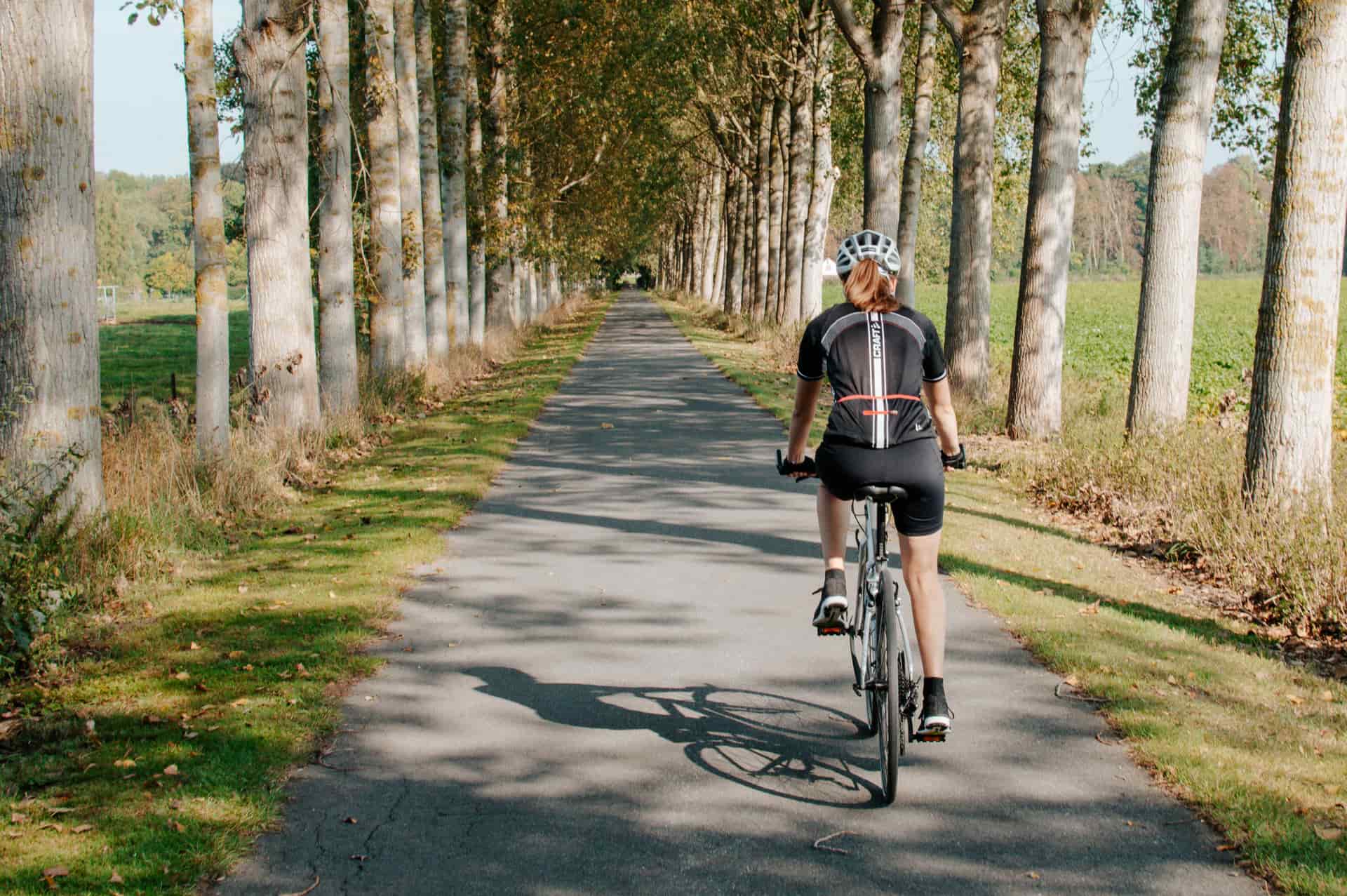
Yes — and a gravel bike is closer to a purpose-built commuter than any other drop-bar bike. The features that define the category are the same ones a commuter needs: clearance for wide tires that shrug off potholes and tram lines, disc brakes that work in rain, mounting points for racks and mudguards, and gearing low enough to carry a load up a hill. A road bike has none of those. A gravel bike arrives with all of them.
What makes the difference between “possible” and “genuinely good” is four changes, none of which is expensive, and a fifth consideration that no upgrade fixes.
Change 1: the tires
The knobbly tires that came with the bike are the single biggest thing slowing your commute down. Gravel tread patterns exist to bite into loose surfaces; on tarmac, those knobs are drag and noise, and they wear out faster than a slick.
Fit the smoothest tire your riding tolerates. If your commute is entirely paved, a fast road tire in a wide size — 32 to 38 mm — is a transformation, and our road tire roundup covers what is available. If it includes a park path or a canal towpath, a file-tread or semi-slick gravel tire is the compromise; our gravel tire roundup covers those, and the width guide covers what your frame will take. Remember that the number on the sidewall is a nominal ISO 5775 designation, so a “38” on a wide rim measures wider than one on a narrow rim.
While you are at it, revisit the pressure. Commuting is heavier than riding empty — panniers, a laptop, a lock — and pressure should reflect the total load. Our gravel pressure guide covers the method.
Change 2: use the mounts the bike already has
This is where gravel bikes quietly beat road bikes as commuters. Most have threaded mounts for a rear rack, full mudguards and sometimes a third bottle or a top-tube bag — features that a race road bike deletes on principle.
Mudguards are the highest-value change on this list for anyone riding through a wet season. They keep road spray off your back, your feet and your drivetrain, which matters for the bike as much as for your clothes: less water and grit reaching the chain means less cleaning and slower chain wear.
A rack beats a rucksack on any commute longer than about fifteen minutes. A loaded back sweats, shifts your weight forward onto your hands, and turns a comfortable position into a sore one. Panniers put the load on the bike where it belongs.
Change 3: lights that work as lights, not as reminders
Commuting means riding in the dark for half the year, and there is a real difference between a light that makes you visible and a light that lets you see. If your route has unlit sections, you need enough output to read the surface at speed — our lumens explainer covers why the number on the box is not a straightforward measure of that.
The rear is arguably more important than the front, since most of the risk comes from behind. A steady rear plus a second flashing unit is the common approach, and it costs very little.
What turns a gravel bike into a commuter
Not a ranking — the three items the changes above actually need. Tires and mudguards are frame-specific and get their own guides; these are the parts that are the same whatever you ride.
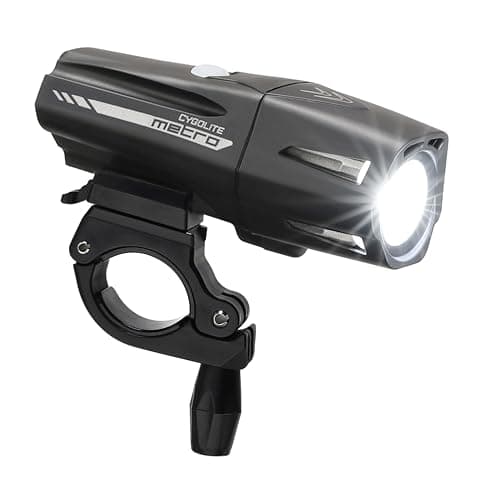
Cygolite Metro 800
A front light with enough output to read an unlit surface, not just to be seen. Our lights roundup covers the full field.
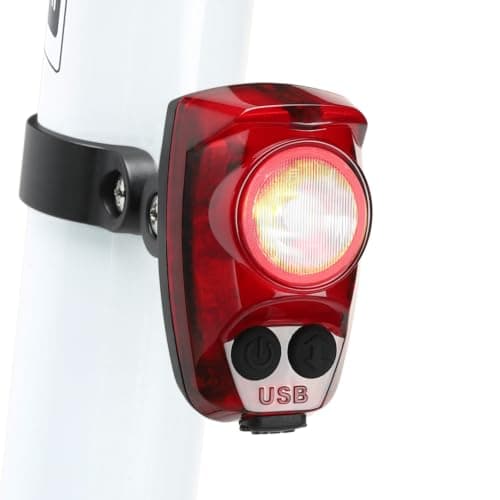
Cygolite Hotshot Pro 200
The rear light, where most of the risk actually is. Run it steady and add a second flashing unit if your route is fast traffic.
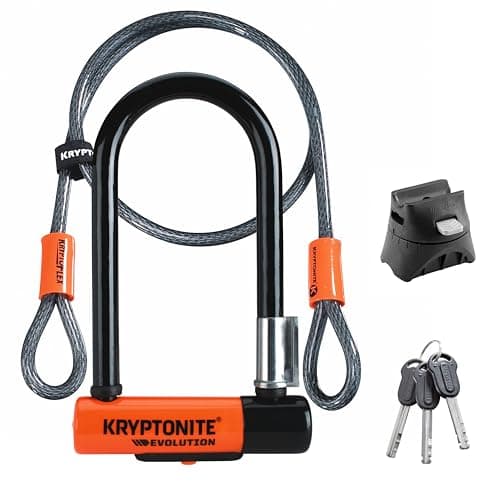
Kryptonite Evolution Mini-7 U-Lock
A hardened U-lock for the part of commuting nobody enjoys thinking about. See the lock roundup for what the security ratings do and do not mean.
$95.58 · View on Amazon$109.95 −13%
We haven’t tested any of these — they’re the parts the job above calls for, listed so you don’t have to go hunting. Prices are live from Amazon and we earn a commission if you buy. Prices as of October 18, 2026. #ad
Change 4: pedals you can walk in
A commute involves walking — into an office, around a supermarket, up a station staircase. Two-bolt recessed cleats are already the gravel standard and are walkable, but many commuters are better served by flat pedals with pins, which let you ride in whatever shoes the day requires.
This is the one place where the “skip” pick in our gravel pedal roundup becomes the right answer: flats are a compromise for gravel riding and a genuinely good choice for a bike that also gets ridden to the shops.
The drawback nobody mentions: it is a better bike to steal
Here is the honest cost of commuting on a gravel bike rather than a battered hybrid. A modern gravel bike is a desirable, resaleable object locked up in public for eight hours a day. The US Department of Justice’s problem-oriented guide to bicycle theft sets out the attack techniques and situational factors involved, and none of them care how much you like the bike.
Practical consequences: buy a proper lock and learn what its rating actually claims — our bike lock roundup works through why a Kryptonite security rating and an ABUS security level are separate proprietary scales with no conversion between them. Record the frame number. Photograph the bike. And think hard about where it will be parked before you commit to riding your best bike to work.
What a gravel bike is worse at than a hybrid
Three things, and they are worth naming so the answer is not just enthusiasm. Drop bars put you lower and further forward, which is faster and less commanding in traffic than an upright hybrid position. Gravel gearing is optimized for climbing on loose ground, so on a flat commute you can spin out the top gear sooner than you would like — our gravel gearing guide explains what the ranges actually are. And a gravel bike usually costs more than a hybrid that would do the same job less enjoyably.
Our gravel bike versus hybrid comparison takes that trade apart properly if you are still choosing between the two.
The honest summary
If you already own a gravel bike, you own a good commuter and the changes above cost a fraction of a second bike. If you are buying specifically to commute and will never ride off tarmac, a hybrid or a flat-bar commuter will do it for less money and be less attractive to thieves. And if your commute includes any unpaved shortcut at all, the gravel bike stops being a compromise and starts being the right tool — which is, after all, the entire premise of the category.
The changes, ranked by how much they improve the commute
Ordered by effect per pound spent. The last row is not a change — it is the consideration that decides whether you should ride this bike to work at all.
| Change | What it fixes | Effort | Skip it if |
|---|---|---|---|
| Slicker tires | Knob drag, noise, tread wear on tarmac | One evening | Your route is genuinely mixed-surface |
| Full mudguards | Spray on you, and grit in the drivetrain | One evening, needs the mounts | You only ride in dry weather |
| Rack and panniers | A sweaty back and weight on your hands | Thirty minutes | Your commute is under fifteen minutes |
| Proper lights | Not seeing, and not being seen | Minutes | Never — this one is not optional |
| Flat or walkable pedals | Shoe choice, and walking at the other end | Fifteen minutes | You ride in cycling shoes anyway |
| A serious lock | The bike being gone when you return | Minutes, plus carrying it | The bike never leaves your sight |
Note the row with no exception. Lights are the one change with no “skip it if”— every other item on this list is a comfort or a speed argument.
Common questions
Is a gravel bike good for commuting?
Very. The defining features of the category — wide tire clearance, disc brakes, rack and mudguard mounts, and low gearing — are exactly what a commuter needs, and a road bike has none of them. The main changes worth making are slicker tires, mudguards, lights and a rack, none of which is expensive.
Should I put road tires on my gravel bike for commuting?
If your commute is entirely paved, yes — knobbly tread is drag and noise on tarmac and wears out faster. A wide, fast road tire at 32–38 mm keeps the comfort and removes the penalty. If any of the route is unpaved, a file-tread or semi-slick gravel tire is the better compromise.
Can you put a rack on a gravel bike?
Most gravel bikes have threaded rack and mudguard mounts, which is one of the clearest differences from a race road bike. Check your frame for eyelets at the dropouts and near the seatstays. If it has them, a standard rear rack fits; if it does not, seatpost-mounted racks and large saddle packs are the fallback.
Is a gravel bike or a hybrid better for commuting?
A hybrid is cheaper, more upright in traffic and less attractive to thieves. A gravel bike is faster, more comfortable over distance, and handles unpaved shortcuts. If you are buying specifically to commute on tarmac, a hybrid does the job for less. If you already own a gravel bike, or your route has any rough sections, the gravel bike wins.
Will commuting wear out my gravel bike faster?
It will wear the drivetrain faster than dry-weather leisure riding, mostly because of water and road grit. Mudguards do more to slow that down than any other single change — keep spray off the chain and cleaning intervals stretch considerably. Beyond that, it is ordinary maintenance: clean and lubricate the chain, and check the brake pads more often through winter.
Sources
- US Department of Justice, Office of Community Oriented Policing Services — Problem-Oriented Guides for Police: Bicycle Theft (situational factors and attack techniques behind bicycle theft) — retrieved 2026-08-18
- ISO 5775 — bicycle tire and rim designation (the marked tire width is a nominal designation; mounted width varies with rim internal width) — retrieved 2026-08-18
Read next
- Gravel bike vs hybrid
If you are still choosing which bike to commute on.
- The best bike locks
The purchase this page's honest drawback demands.
- The best bike lights
The one change with no exception.
- The best gravel bike pedals
Where flats stop being a compromise.
We haven’t ridden or tested any of the products on this page, and we don’t pretend otherwise. Read how we research — or tell us we’re wrong and we’ll log the correction.