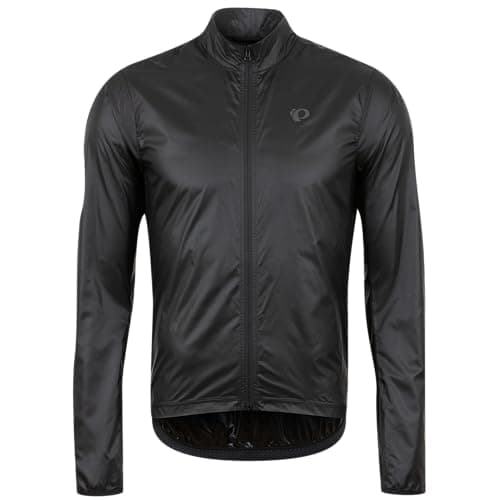
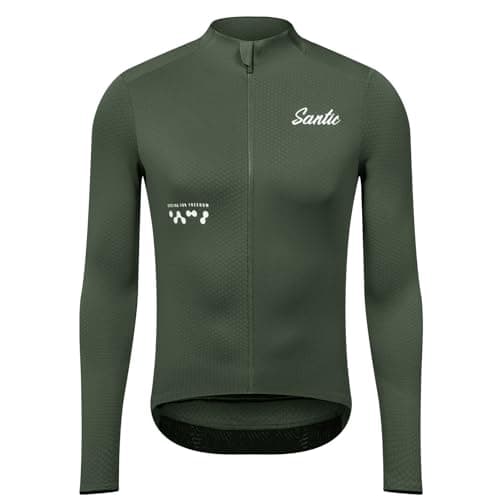
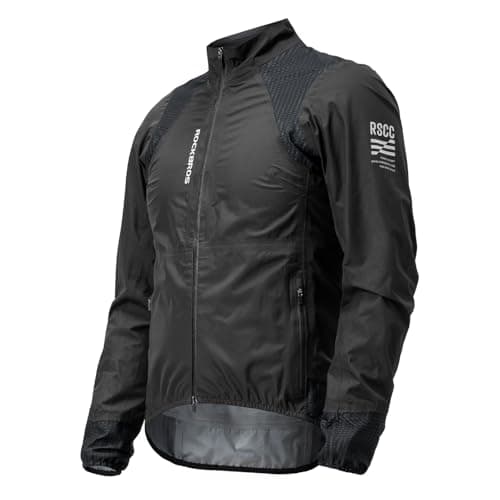
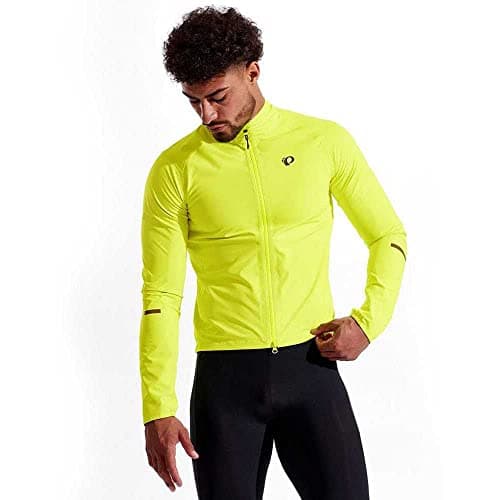
The Pearl Izumi Attack WxB is the pick under $100, and the reason is unusually simple: it is the only jacket in the band whose listing publishes a waterproof rating in millimeters. It is also the cheapest of the four. The budget pick is the ROCKBROS shell, which names sealed seams and a waterproof zipper and then publishes no number for any of it.
Four jackets in this catalog had a live price under $100 at the last rebuild and seven did not. The table below re-checks that at render time rather than trusting what we typed, and it shows the whole field so you can see what the line actually separates.
Under this cap you are choosing between three different garments
This is the thing that makes a cycling jacket price band different from a bib short or a sock price band, and it is why a simple ranking would mislead you. The four jackets here are not four attempts at the same product. One is a seam-sealed rain shell with a published rating. One is a 41-gram wind shell that is explicitly not waterproof. One is a fleece-lined thermal with no weather claim at all. One is a coated rain jacket with sealed seams and no numbers.
Pick the category before you pick the jacket, because the failure mode is buying the wrong category and concluding the garment is bad. A fleece in the rain is a wet fleece. A 41-gram wind shell on a freezing descent is a layer of nylon. Both of those are the buyer’s error, not the maker’s, and both are easy to make when four very different things sit at one price.
“Waterproof” is a word; a millimeter rating is a claim
Anyone may print the word waterproof on a jacket. The industry’s actual measure is a hydrostatic head rating in millimeters — how tall a column of water the fabric holds before it leaks — and publishing one is a decision a brand makes, not a legal requirement. Across this whole catalog, and this is the finding the parent roundup is built on, only a minority of brands publish one at all.
Under this cap, exactly one does. The top pick names 10k waterproof and 10k breathable in its own listing text. That is the entry level for a membrane rather than an impressive number — the two jackets at the top of the catalog publish 15,000 mm and 30,000 mm — but it is a number, and a number is something you can hold the garment to. The most expensive jacket in the entire catalog, an Italian softshell, publishes a temperature range and a weight and no millimeter rating whatsoever. Price does not predict disclosure in this category, which is the single most useful thing to know before you shop it.
The full jacket roundup ranks all eleven on exactly that axis and shows which brands publish and which do not.
Seams leak before fabric does
A fabric rated to 10,000 mm with unsealed seams is not a 10,000 mm jacket. Every line of stitching is a row of holes through the waterproof layer, and water finds them under pressure from a shoulder strap or a pack long before it finds its way through the face fabric. Taped or sealed seams are the construction feature that makes a rating mean anything.
Both rain jackets under this cap name sealed seams, and that is genuinely the most reassuring thing either of them says. It is also the reason the fleece and the wind shell are not competing with them: neither is sealed, because neither is pretending to be a rain jacket.
What the money above the cap buys
Seven jackets in this catalog sit above this line, and what their listings add is specific and mostly real. Two publish substantially higher millimeter ratings, three layers rather than two and a half, and full seam taping. Two carry the GORE-TEX name, which brings a written keep-you-dry guarantee from the membrane maker rather than from the garment brand — the only third-party promise anywhere in the category. One publishes a temperature range and a weight instead of a rating and is sold on fit.
What the extra money does not reliably buy is disclosure. The clearest published waterproofing claim under the cap is better than the clearest published claim on the catalog’s most expensive jacket. If you shop this category on numbers, the numbers do not run in price order.
Layering beats buying one jacket
The practical answer at this budget is usually two garments rather than one: a thin waterproof or windproof shell that packs away, plus a warm layer underneath that you choose by temperature. That combination handles a far wider range of conditions than any single jacket under this cap, and both halves exist in this band.
Our base layer roundup covers the layer that actually keeps you warm, and how to layer for cold weather explains the order and why a waterproof shell over a damp base layer is worse than no shell at all. If the rides you are dressing for are wet rather than cold, shoe covers buy more comfort per dollar than any jacket upgrade.
What this page cannot tell you
Nobody here has worn any of these in rain. There is no spray test, no wash-cycle test and no fit check. Every specification above is read through this site’s reuse layer from the parent roundup, on the date that page records, so the two cannot drift apart.
The figures that would settle this category — how long a coating survives a pack strap, how a 10k membrane performs in hour four, how much warmth a fleece keeps once it is damp — are not published by anyone and are not measured here. Buy on the claim you can check, which under this cap is a short list, and keep the receipt.