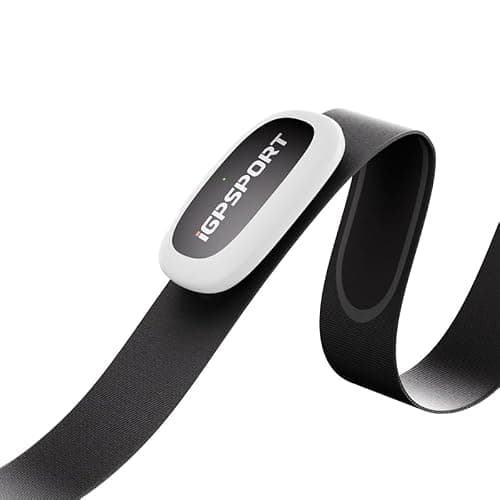
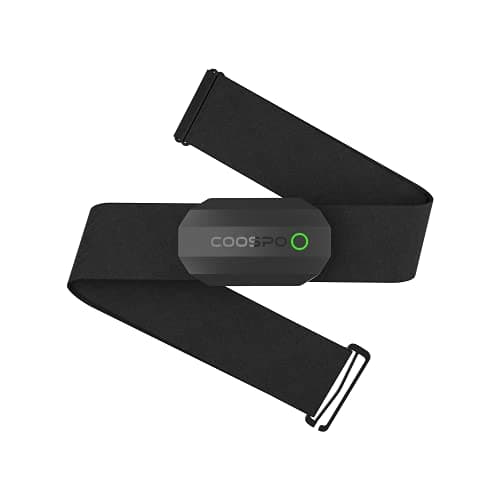
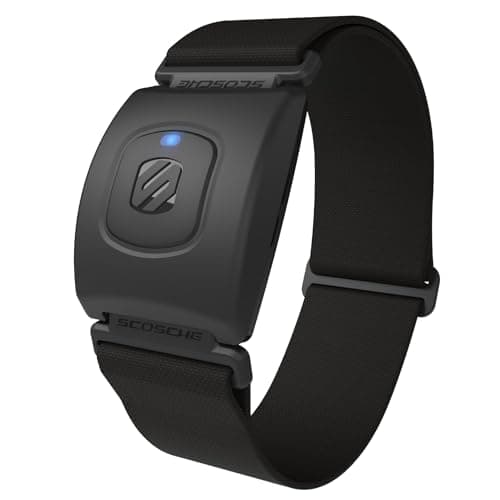
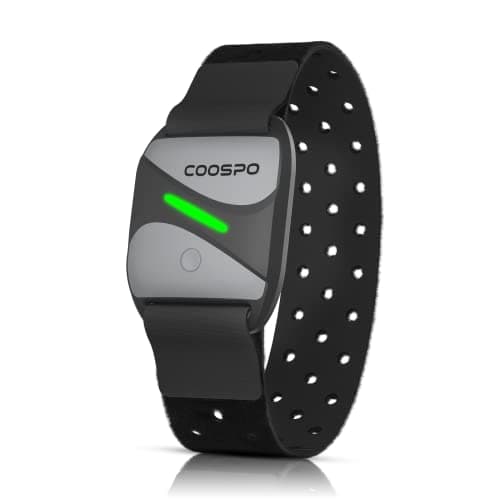
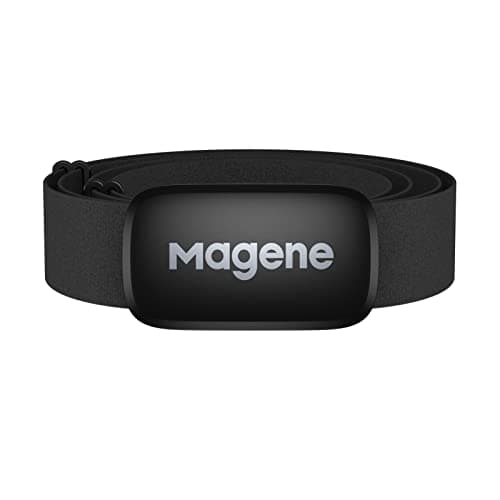
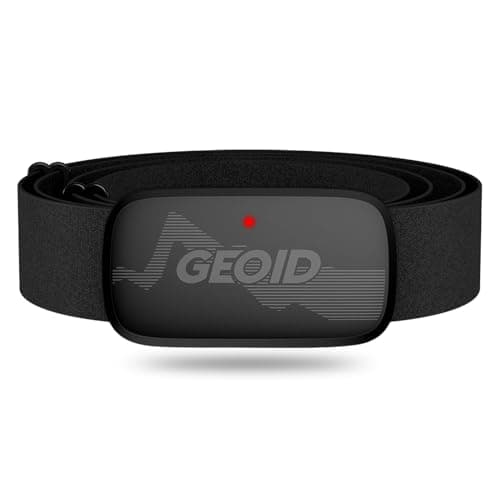
The GEOID HS500 is the pick under $50, because it is the only heart rate monitor in this catalog at any price whose listing publishes all three things that matter: both radios, a battery figure in hours, and a water rating. The budget pick is the Magene H64, the cheapest strap here, which still publishes both radios and publishes nothing else at all.
Six heart rate monitors in this catalog had a live price under $50 at the last rebuild and eight did not. The table below re-checks that at render time rather than trusting what we typed, and it shows the whole field so you can see what the line actually separates.
The finding: the cheap end publishes more than the expensive end
A heart rate strap has one job before it has any other job, which is to transmit to the thing you want to read it on. Cycling computers listen on ANT+. Phones listen on Bluetooth. A strap that speaks only one of those is useless with half the hardware you might own, and which radios a strap speaks is a published fact, not a judgment.
So here is the whole argument for this page. All six monitors under this cap publish both protocols in their own listing text. Above the cap, two Garmin units publish no transmission protocol whatsoever— one of them publishes no battery figure, no size range and no water rating either, and reads in full as a product name, a color and a part number.
We are not saying those Garmins do not transmit; they plainly do, and anyone who has owned one knows which radios they use. We are saying that a buyer reading the listing cannot tell, and that a brand with nothing to prove discloses less than a brand with everything to prove. If you shop this category by reading what is written down, the bottom of the market is where the writing is. The full roundup ranks all fourteen on that axis.
Chest strap or armband, which is the real decision here
Four of the six under this cap are chest straps and two are optical armbands, and that choice matters more than anything else on this page. A chest strap reads the electrical signal of the heart directly. An optical sensor shines light into the skin and infers the rate from blood flow, which is a harder measurement that lags during changes in effort and degrades in the cold — exactly the two conditions that define winter interval riding.
The case for the armband is not accuracy, it is compliance: a strap you will not wear produces no data at all. If a chest strap is the reason you stopped recording heart rate, the better-specified armband here publishes the highest ingress rating in the whole catalog and a named battery figure, and it is the honest recommendation for that rider.
Why an ingress rating is the spec to pay for
This is a device that spends its entire working life soaked in salt water. Sweat is what kills heart rate monitors, usually at the contact studs or the seam around the battery door, and an IP rating is the only published claim that speaks to it. IP67 means dust-tight and resistant to immersion; IP68 is the step above.
Three of the six under this cap publish a rating and three publish nothing. Of the three that publish nothing, two are the most expensive picks in the band. If you want one upgrade rule for this page, it is this: do not pay more for a strap that publishes less, and a published IP rating is worth a few dollars more than a cycling-specific product description.
What the money above the cap buys
Eight monitors sit above this line and some of what they add is real. The premium chest straps from Polar and Wahoo publish machine-washable straps, published size ranges from medium to double-XL, rechargeable batteries rated around 100 hours, multiple simultaneous Bluetooth connections, and ECG-grade sensing. Polar and Garmin also bring something no specification captures: a support operation that will still be there in three years, and a measurement reputation built over decades.
What the extra money does not buy is disclosure, and on this page that is the finding rather than a complaint. Buy above the cap for the brand, the washable strap and the size range. Do not buy above the cap expecting to be told more about the product.
Make sure it pairs with what you already own
Before you buy anything here, check what your head unit listens on. Most current cycling computers take both ANT+ and Bluetooth, which makes every strap on this page compatible, but the number of simultaneous connections differs and a strap paired to your phone may refuse to pair with your computer at the same time.
Our bike computer roundup covers which units publish their radios, and the computers under a hundred dollars is the companion price band to this one — a strap and a head unit from the bottom of both pages is a complete training setup for less than one premium computer.
What this page cannot tell you
Nobody here has worn any of these for a single interval. There is no accuracy test, no side-by-side against an ECG and no durability test. The specifications above come from two places and only two: this site’s reuse layer, for the two straps that are picks on the parent roundup, and the live Amazon listing titles held in this site’s catalog for the other four.
The figure that would settle this category — beat-to-beat agreement with a clinical reference, per unit, over a real ride — is not published by any of these makers and is not measured here. Buy on the radios, buy on the ingress rating, and buy a chest strap if the number is going to decide your training.