Skip to content
ChainringClub

The Best Fat-Tire E-Bikes

A fat tire is the one specification this category is actually bought for, and it is also the one most listings bury. These five print a width in their own words — then we rank them on what else they are willing to publish.

A fat-tire electric bike with wide knobbly tires parked on rough ground.
By Stephen V.Published November 22, 2026How we research

Heads up: we earn a commission if you buy through the links on this page, at no extra cost to you. It never decides what makes the list — here’s how that works.

Quick picks

Tap any row for the full write-up. Specs are the manufacturer's own published claims, read on 22 November 2026.

#ProductBest forPrice
1
Heybike Mars 3.0

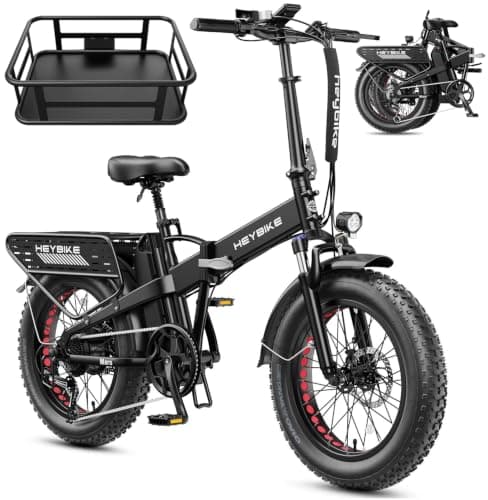
Heybike Mars 3.0

The only bike in the field whose listing prints a tire width, a watt-hour figure AND a battery standard by its number — three for three, on a folding 20-inch fat bike.

Top pick
Riders who want the pack specified, not described
2
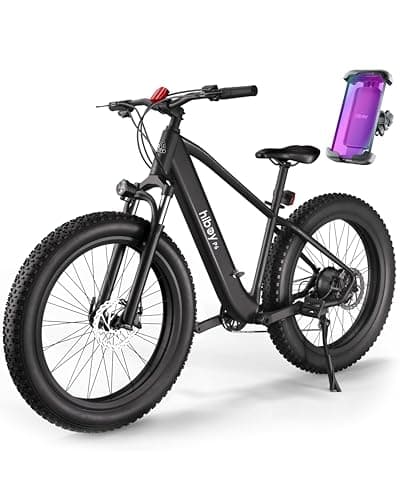
Hiboy Fat-Tire Electric Bike

Hiboy Fat-Tire Electric Bike

The biggest wheel-and-tire combination in the field by a clear margin, and the only 26-inch fat bike here.

Rough pavement and potholes rather than sand and snow
3
ENGWE EP-2 3.0

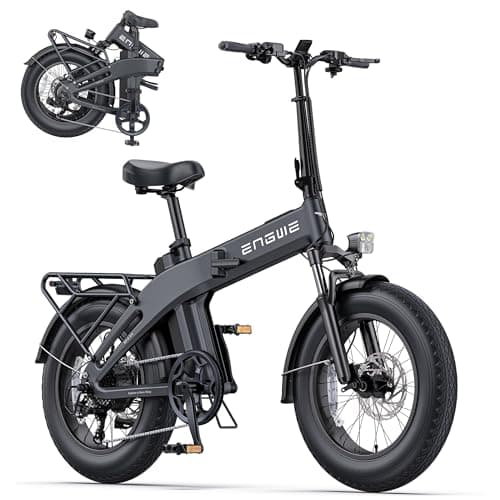
ENGWE EP-2 3.0

The most completely equipped listing here — hydraulic brakes, fast charging and an app — on the bike that says least about its tire.

Equipment and brakes over published tire detail
4
Hiboy EX6F

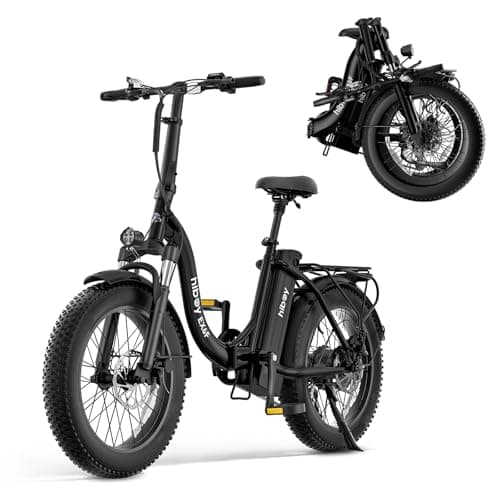
Hiboy EX6F

A twelve-word listing on a folding 20x4 fat bike: the width is there, and almost nothing else is.

A folding fat bike when the spec sheet is not the point
5
ENGWE L20

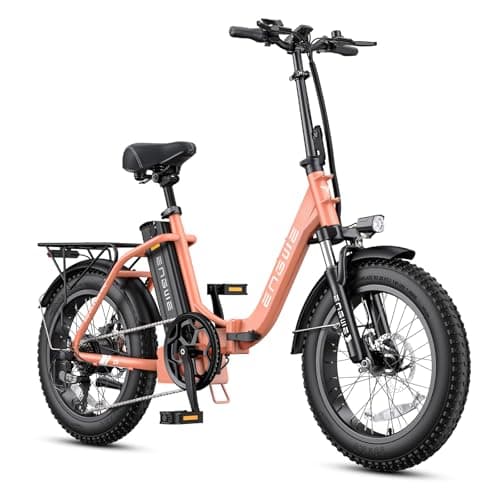
ENGWE L20

The cheapest bike in the field and the one with the narrowest tire of the five — the budget pick, named as such, with the compromise stated.

The least money that still buys a published fat tire

The Heybike Mars 3.0 is the pick for most people buying a fat-tire e-bike, because it is the only bike in this catalogue whose listing publishes a tire width, a watt-hour figure and a battery standard by its number. If you want the biggest tire on the biggest wheel, the 26-inch Hiboy is the one to take instead. The budget pick is the ENGWE L20— the cheapest published fat tire here by a wide margin, with the honest caveat that its three-inch tire is the narrowest on the page.

Every bike below is in this roundup for one reason: its own Amazon listing prints a fat-tire measurement. That sounds like a low bar and it is not. The Cyrusher Kommoda is a fat bike by reputation and sits in this site’s catalogue, and its listing says “20Inch” and stops — a wheel diameter, not a tire width. It is not on this page, because inferring the number would be inventing it.

Why the tire width is the whole decision

A fat tire does one thing: it spreads the bike’s weight over more ground. Four inches of tire at low pressure floats on sand, snow and loose gravel in a way that a three-inch tire does not, and the difference is not subtle at the margin where you actually get stuck. On pavement the same tire costs you rolling resistance and therefore range, which is why the bikes here publish big range numbers and big battery packs in the same breath.

So the order of operations is: decide the surface, then the width, then the pack. If the answer is “rough roads and potholes” rather than “beach”, a 26-inch wheel does more for you than an extra inch of rubber, and the wheel size is published on every bike here.

What “UL certified” is and is not

Two of the five listings make a certification claim and they are not the same claim. One prints UL 2849, which is the standard covering the complete electrical system — charger, controller, motor and pack together. One prints “UL Certified” with no number, which could mean UL 2849 or could mean UL 2271, the battery-pack-only standard. The other three say nothing at all.

This matters more on a fat bike than on a road bike, because fat bikes carry the biggest packs in the category and are ridden in exactly the wet, cold conditions batteries hate. Our charging and storage guide covers what you can do about that once the bike is yours, and battery range explained covers why a watt-hour figure is worth more to you than a volt-and-amp-hour pair.

What this page cannot tell you

Nobody here has ridden any of these bikes. There is no tire pressure test, no range test and no climb. Every specification above is a claim the seller published in its own listing on 22 November 2026, and the ranking is a ranking of what those listings are willing to commit to in writing.

The two figures that would settle the category are not published by anyone: real range at a stated rider weight, and the actual continuous motor output rather than the peak. Treat every range claim here as a ceiling reached by a light rider on flat ground with the assist turned down.

Every published fat tire in the catalog, cheapest first

The width column is the seller’s own words. The pack column shows a watt-hour figure where one is published and the volt/amp-hour pair where that is all there is. The certification column distinguishes a named standard from the bare word “certified”, because those are different promises.
ProductTire, as publishedPack, as publishedCertification, as publishedLive priceBuy
ENGWE L2020 x 3.0 in52V 13AhNot published$509.15Check price
Hiboy EX6F20 x 4 inNot publishedNot published$949.99Check price
Hiboy Fat-Tire Electric Bike26 x 4.0 in48V 13Ah“UL Certified”, no number$1,104.99Check price
Heybike Mars 3.020 x 4 in624 WhUL 2849, named$1,199.00Check price
ENGWE EP-2 3.0“Fat Tires”, no width48V 15AhNot published$1,499.00Check price

Every middle column is a claim the seller publishes in its own listing, not a measurement of ours. Prices are live from Amazon as of November 23, 2026 and 5 of 5 rows carry one right now. Every “Check price” link is an affiliate link and Amazon pays us at no cost to you. #ad

The Cyrusher Kommoda is in this site’s catalogue and is deliberately absent: its listing publishes a wheel diameter and no tire width, so it cannot be ranked on the axis every other row here is ranked on.

The picks, in detail

1

Heybike Mars 3.0

Top pick
Heybike Mars 3.0
$1,199.00 · View on Amazon

Price as of November 23, 2026. #ad

Best for: Riders who want the pack specified, not described

The only bike in the field whose listing prints a tire width, a watt-hour figure AND a battery standard by its number — three for three, on a folding 20-inch fat bike.

  • Listing: "Heybike Mars 3.0 Foldable Electric Bike for Adults" (read 22 November 2026)
  • Listing: "20\"*4 Fat Tire Ebike for Snow,Commute,Beach"
  • Listing: "624WH UL2849 Certified Removable Battery"
  • Listing: "1400W Peak Motor 32MPH"
  • Listing: "70+Miles Long Range" and "Full Suspension"

Good

  • A watt-hour figure, which is the only pack number that compares across brands — two of the five give you volts and amp-hours instead and leave the arithmetic to you
  • Names UL 2849 by its number rather than saying 'certified' and stopping, which is the difference between a claim you can look up and one you cannot
  • Folds, so the one genuine drawback of a fat bike — where it lives when you are not riding it — has an answer in the listing

Less good

  • The range claim is the usual best-case marketing number with no rider weight, no terrain and no assist level attached to it
  • A 20-inch wheel rolls over broken pavement less willingly than the 26-inch bike below it, whatever the tire is doing
  • Peak watts, not continuous watts — the figure every e-bike listing quotes and the one that tells you least about sustained climbing

Skip it if: You want a big wheel. This is a small-wheel fat bike, and if your roads are rough rather than soft the 26-inch option two rows down is the better shape.

2

Hiboy Fat-Tire Electric Bike

Hiboy Fat-Tire Electric Bike
$1,104.99 · View on Amazon

$1,299.99 −15%

Price as of November 23, 2026. #ad

Best for: Rough pavement and potholes rather than sand and snow

The biggest wheel-and-tire combination in the field by a clear margin, and the only 26-inch fat bike here.

  • Listing: "Hiboy Electric Bike for Adults" (read 22 November 2026)
  • Listing: "26“ x 4.0” Fat Tire Electric Bicycle"
  • Listing: "48V 13Ah Removable Battery Ebike"
  • Listing: "28MPH 62.1Miles Range 1000W Peak Motor"
  • Listing: "7 Speed, Hydraulic Suspension, UL Certified"

Good

  • A 26-inch wheel with a four-inch tire is the most forgiving combination on this page over square-edged hits, which is what most riders actually meet
  • Hydraulic suspension is named, and on a heavy bike with a wide contact patch the suspension does more work than the tire pressure does
  • A seven-speed drivetrain is published, so the bike is still rideable with a flat battery in a way a single-speed throttle bike is not

Less good

  • “UL Certified” with no standard number: UL 2849 covers the whole electrical system and UL 2271 only the battery pack, and this listing does not say which
  • Volts and amp-hours instead of a watt-hour figure, so comparing the pack with the top pick means doing the multiplication yourself
  • A 26-inch fat bike does not fold and is the hardest machine here to store or to lift onto a rack

Skip it if: Storage is tight or the bike has to go up stairs. Nothing about this one is small, and that is the trade it makes for the ride quality.

3

ENGWE EP-2 3.0

ENGWE EP-2 3.0
$1,499.00 · View on Amazon

Price as of November 23, 2026. #ad

Best for: Equipment and brakes over published tire detail

The most completely equipped listing here — hydraulic brakes, fast charging and an app — on the bike that says least about its tire.

  • Listing: "ENGWE EP-2 3.0 Folding Electric Bike for Adults" (read 22 November 2026)
  • Listing: "App & IoT Fat Tires E-Bike"
  • Listing: "1500W Peak Motor and 28 MPH"
  • Listing: "48V 15Ah Up To 65Miles Range"
  • Listing: "2H Fast Charging" and "Hydraulic Brakes"

Good

  • Hydraulic brakes are named, which matters more on a fat bike than on anything else in the catalogue: more mass, more rolling resistance and more speed into every stop
  • The largest amp-hour figure in the field, and a two-hour charge claim alongside it
  • Folds, and an app is published rather than hinted at

Less good

  • Says “Fat Tires” and never prints a width, so it is the only bike here ranked on a category word instead of a measurement
  • No certification claim of any kind in the listing — not a standard number, not even the word
  • The most expensive bike on this page at the last rebuild, for the least tire information

Skip it if: The tire size is the purchase. Two bikes above this one print a width in inches; this one does not, and we will not infer it.

4

Hiboy EX6F

Hiboy EX6F
$949.99 · View on Amazon

Price as of November 23, 2026. #ad

Best for: A folding fat bike when the spec sheet is not the point

A twelve-word listing on a folding 20x4 fat bike: the width is there, and almost nothing else is.

  • Listing: "Hiboy EX6F Foldable Electric Bike for Adults, 500W/48V, 20x4 Fat Tire Black" (read 22 November 2026)
  • Listing: "20x4 Fat Tire"
  • Listing: "500W/48V"
  • No amp-hour or watt-hour figure published
  • No certification claim published

Good

  • Prints the tire width, which is the entry requirement for this page and which the bike above it does not manage
  • Publishes a motor wattage without the word 'peak' attached, which is rarer in this category than it should be
  • Folds, at roughly two-thirds the price of the folding bike at the top of the page

Less good

  • No pack capacity published anywhere in the listing — neither watt-hours nor amp-hours, so range is unknowable from the text
  • No certification claim at all
  • The shortest listing in the whole e-bike catalogue; what is not written here is not a secret, it is simply absent

Skip it if: You need to know what you are getting before it arrives. Everything that matters about the battery on this bike is unpublished.

5

ENGWE L20

ENGWE L20
$509.15 · View on Amazon

$599.00 −15%

Price as of November 23, 2026. #ad

Best for: The least money that still buys a published fat tire

The cheapest bike in the field and the one with the narrowest tire of the five — the budget pick, named as such, with the compromise stated.

  • Listing: "ENGWE 1125W Electric Bike for Adults, L20 2.0" (read 22 November 2026)
  • Listing: "20''×3.0'' Fat Tire Electric Bicycle"
  • Listing: "52V 13Ah Removable Battery"
  • Listing: "Max Range 68Miles & 28MPH for Urban Commuters"
  • No certification claim published

Good

  • Prints its tire width honestly at three inches rather than calling itself four, which is the kind of detail that tells you how the rest of the listing was written
  • The highest published voltage in the field, which is the half of the pack equation this bike does give you
  • Comfortably the cheapest way onto a published fat tire in this catalogue, and the listing aims it at commuting rather than dunes

Less good

  • Three inches is the narrowest tire here; it is a fat tire by the listing's own words but not the flotation the four-inch bikes publish
  • No certification claim published, on the component where that matters most
  • Peak-sounding motor wattage in the title with no continuous figure given

Skip it if: You are buying for sand, snow or soft ground. Width is what floats a bike on those surfaces and this is the thinnest tire on the page — buy one of the four-inch bikes instead.

What actually decides this purchase

Pick the surface before the bike. Sand, snow and soft trail want four inches of tire and tolerate a small wheel. Broken pavement wants a big wheel more than it wants a wide tire. Both are published on every bike here, so this is a decision you can make from the table rather than from a photograph.

Prefer a watt-hour figure to a voltage.Watt-hours compare directly across brands; volts and amp-hours need multiplying and sellers know it. One bike here publishes watt-hours, two publish the pair, and one publishes neither — and the one that publishes neither is not the cheapest.

Treat the range number as a ceiling. Every range claim on this page is a best case. A fat tire on pavement is the single biggest range tax in e-biking, and the heavier you are, the hillier your route and the higher your assist level, the further the real figure falls below the printed one.

Budget for the weight you cannot see in a photo.These are the heaviest bikes in this catalogue. That decides whether it can go up your stairs, onto your car and into your hallway — our guide to transporting an e-bike covers the rack question, which is a real cost on top of the bike.

Buy the tires separately if the stock ones disappoint. A fat-tire e-bike is only as good as what is on the rims, and replacing them is the cheapest meaningful upgrade available. The e-bike tire roundup ranks the fat sizes on published load ratings and speed approval.

Common questions

Are fat-tire e-bikes worth it?

They are worth it for a specific surface: sand, snow, loose gravel and soft ground, where a four-inch tire floats and a normal tire sinks. On pavement a fat tire costs you rolling resistance, range and weight for comfort you could buy more cheaply with a wider road tire and lower pressure. If most of your riding is on roads, read our broader take on e-bike value before you buy for the look.

What tire width counts as a fat tire?

In this category the sellers use the word from about three inches upward, and four inches is the width most buyers mean. Every bike on this page prints its own number, and one of them prints three inches while calling itself a fat tire — which is accurate and worth knowing before you buy it for the beach.

Do fat tires reduce e-bike range?

On hard surfaces, yes, and noticeably. A wide tire at low pressure has a larger contact patch and more rolling resistance, and the motor pays for it. That is partly why these bikes carry the biggest packs in the catalogue. The published range figures assume good conditions; how far an e-bike actually goes works through what moves the number.

What pressure should a fat e-bike tire run?

Lower than you think, and inside the range printed on the sidewall of the tire you actually own — that number is the only authority, and it varies by tire rather than by bike. Soft ground wants the bottom of the range; pavement wants the top of it. The e-bike tire pressure guide covers why the sidewall wins any argument with a chart.

Is a folding fat-tire e-bike a real compromise?

The folding mechanism adds a hinge and some weight, and a fat bike is already heavy enough that folding it does not make it light — it makes it storable. Three of the five bikes here fold. If folding is the priority rather than the tire, the folding roundup ranks the whole folding field including bikes with normal tires.

Do you make money if I buy one of these?

Yes — every product link here is an affiliate link and Amazon pays us at no cost to you. It does not move the ranking: the method is “what does the listing publish”, the inputs are in the table above, and it puts the most expensive bike on the page fourth. See our affiliate disclosure.

Sources

  • Live Amazon listing titles for all five bikes, read on the date below: Heybike Mars 3.0 ("624WH UL2849 Certified Removable Battery … 20\"*4 Fat Tire Ebike for Snow,Commute,Beach"), Hiboy fat-tire e-bike ("26“ x 4.0” Fat Tire Electric Bicycle … 48V 13Ah Removable Battery … UL Certified"), ENGWE EP-2 3.0 ("App & IoT Fat Tires E-Bike,1500W Peak Motor and 28 MPH,2H Fast Charging,48V 15Ah"), Hiboy EX6F ("Foldable Electric Bike for Adults, 500W/48V, 20x4 Fat Tire Black") and ENGWE L20 2.0 ("20''×3.0'' Fat Tire Electric Bicycle 52V 13Ah Removable Battery") — retrieved 2026-11-22
  • Live Google Autocomplete, run on the build date: `best fat tire electric bike` returns ten completions of its own, including `…for adults`, `…2026`, `…on amazon`, `…for the money` and `…for beach` — retrieved 2026-11-22
  • Live prices and purchasability — Amazon Creators API through this site's price layer; the 'as of' stamp is on the table and every price on this page is read at request time — retrieved 2026-11-22

We haven’t ridden or tested any of the products on this page, and we don’t pretend otherwise. Read how we research — or tell us we’re wrong and we’ll log the correction.