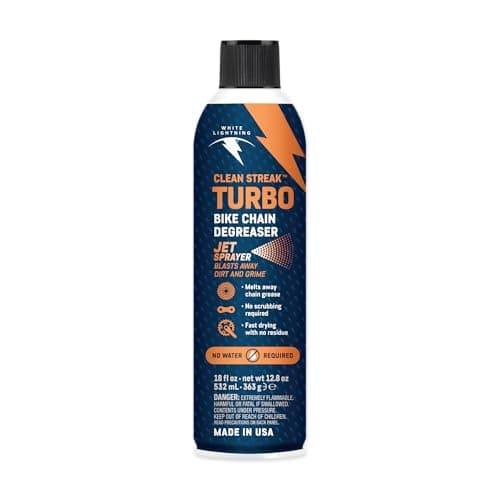
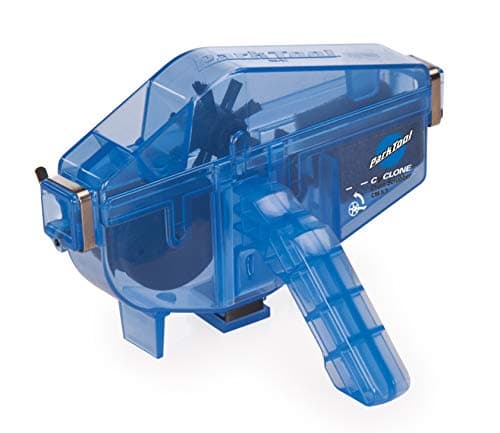
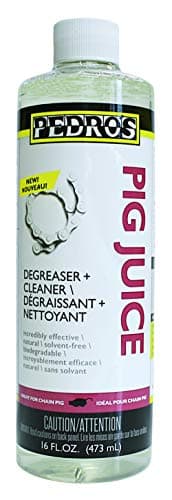
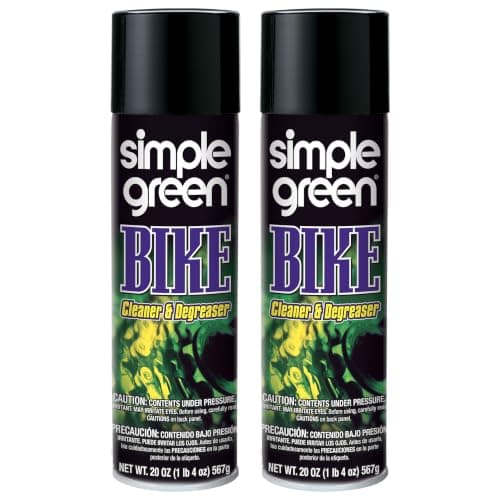
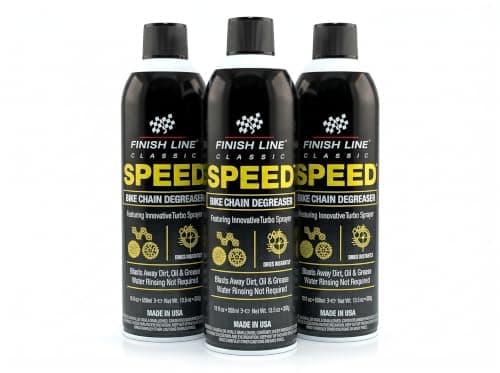
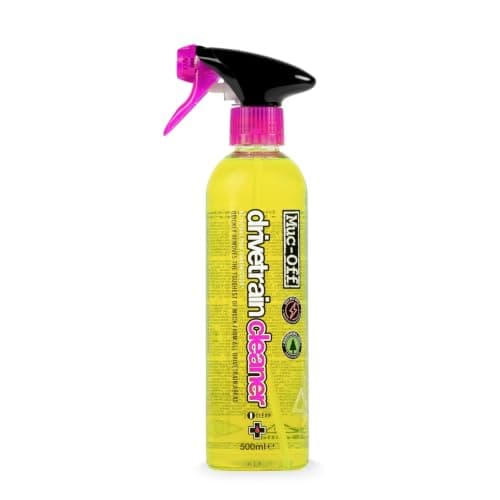
There is one rule in this category that outranks every product decision: keep all of it off your brakes.Shimano’s own dealer’s manual for hydraulic disc brakes instructs you to clean the brake system with soapy water and a dry cloth, and not to use commercially available brake cleansers or silencing agents, which it warns can damage parts such as seals. It also states plainly that pads contaminated by oil must be replaced — there is no cleaning them back to health — and that riding with oil or grease on the rotor or pads may prevent the brakes from working.
That warning matters here because degreaser is the most mobile substance in a home workshop. An aerosol jet at a cassette produces a mist that lands on the rotor eight inches away; a rag that wiped a chain then wipes a brake surface. Before any of the products below, the habit: remove the wheel or mask the rotor, and never spray toward a caliper. Our whole-bike wash guide builds that habit into the sequence, so the solvent comes out only when the wheel is already off.
Three jobs, three different fluids
“Degreaser” covers three genuinely different tasks, and buying the wrong one is why people conclude a product is useless.
- Routine drivetrain cleaning. A water-rinsable, biodegradable cleaner used with a scrubber every few weeks. This is 90% of what a home mechanic needs.
- The pre-wax strip.A fast-evaporating solvent that leaves absolutely no residue, because wax will not bond to anything else. Silca’s published waxing method uses mineral spirits followed by at least fifteen minutes of drying.
- Whole-bike cleaning. A milder general cleaner for frames, and one that will not attack decals, bar tape or seals.
A solvent used for job one strips lubrication out of pulley bearings and pivots it was never meant to reach. A mild cleaner used for job two leaves a film that ruins a wax job. Match the fluid to the task.
The tool matters more than the fluid
This is the least intuitive thing about drivetrain cleaning: what actually removes the abrasive paste from between the plates is mechanical agitation, not chemistry. A sealed scrubber with rotating brushes, of the kind Park Tool documents a technique for, does more with a cheap fluid than an expensive fluid does with a rag. That is why a scrubber appears in this roundup alongside the bottles.
The exception is a chain that has been removed. A quick-linked chain in a sealed bottle of solvent, shaken, gets cleaner than any on-bike tool can manage — which is exactly the method both wax makers specify, and it is covered step by step in how to wax a bike chain.
Biodegradable versus solvent, honestly
Biodegradable, water-based cleaners are pleasanter to use, safer to store and easier to dispose of, and they are perfectly effective on a chain that gets cleaned regularly. Their limitation is that they need rinsing and drying, and water plus a drivetrain is an invitation to surface rust if you leave it wet.
Solvents cut heavier contamination faster and leave nothing behind, which is why they own the pre-wax strip. Their costs are real: ventilation, skin contact, flammability, and the fact that a solvent does not distinguish between the grease you want gone and the grease inside a jockey wheel bearing. Use them deliberately and briefly, not as a weekly habit.
After the degreaser, the chain is naked
This is the step riders forget. A properly degreased chain has no lubrication in it at all — it is bare metal, and bare metal in a damp garage begins to oxidize within hours. Dry it, then lubricate it the same day. Our chain lube roundup covers what to put back on, and if the chain has already gone orange, how to remove rust from a bike chain covers what can and cannot be saved.
What we could not check
We have not tested a degreaser, measured residue, or compared cleaning efficacy. Every specification above is the seller’s own listing text, read on 18 August 2026, and the safety guidance is quoted from Shimano’s published dealer’s manual. The single product criticism on this page — the disc-brake use case — is not our opinion of the fluid; it is a conflict between a listing and a component manufacturer’s own instructions, and we have shown both so you can judge it.