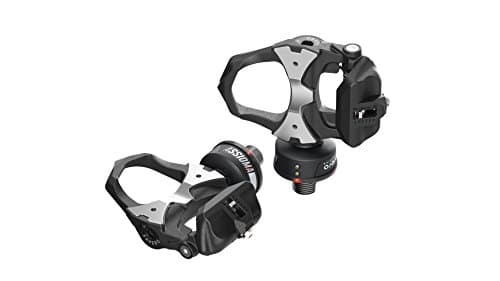
Buy the Favero Assioma DUO unless you already ride Shimano SPD-SL, in which case the Garmin Rally RS210 saves you a shoe-and-cleat replacement that may well cost more than the price difference. That is the whole decision, and notice what is not in it: accuracy. There is a reason.
All four products on this page publish ±1% accuracy.Favero, Garmin, Wahoo and 4iiii, identical figure, and in the wider catalog the Magene crankset publishes ±1% too. Five products, one number. Not one of those makers publishes the test protocol, the reference device, the temperature range or the load range behind it, and ±1% of what is not stated either — of reading, of full scale, under what conditions. Our power meter roundup has a whole section on what ±1% actually claims, and the short version is that it is an industry convention rather than a comparable measurement. So we will not rank these on it, and anyone who does is ranking four identical numbers.
What actually separates them, in order of how much it costs you
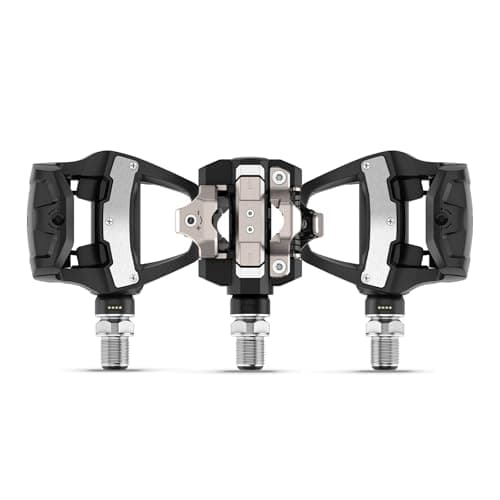
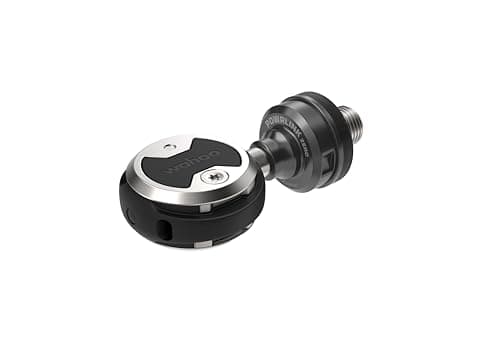
One: the cleat. This is the expensive one and almost nobody leads with it. A power meter pedal is a pedal, so buying one is choosing a cleat standard, and a cleat standard is choosing shoes. If you own three pairs of SPD-SL shoes, a pedal on a different standard costs you the pedals plusthree pairs of cleats, and possibly the shoes. Garmin publishes “Shimano SPD-SL” in the Rally listing title. Favero publishes nothing about the interface in anything we can cite. Wahoo publishes Speedplay by naming the product. That is one of three telling you what you are committing to.
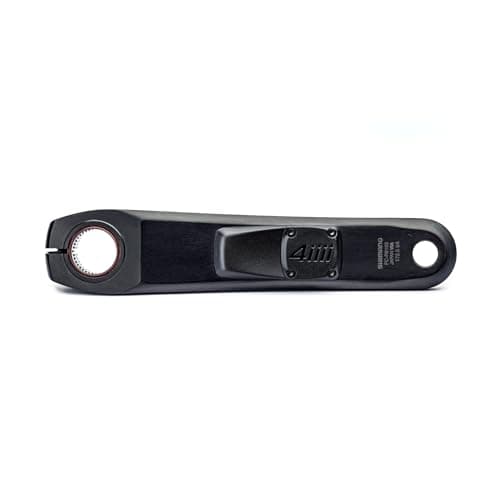
Two: how many legs get measured.The Assioma is dual-sided — a sensor in each pedal. The Rally RS210 is Garmin’s dual-sensing single-sided tier, the Wahoo is a left-sided single pedal, and the 4iiii is a left-arm sensor. Only one of the four measures both legs, and it is the cheapest of the two pedal systems. If left/right balance is why you are buying a power meter, the comparison is over at this line.
Three: the battery format.Published figures: 800 hours on a replaceable coin cell (4iiii), up to 90 hours rechargeable (Rally), up to 75 (Wahoo), 50+ (Assioma). The hours matter less than the format — a CR2032 is replaceable in a petrol station, a proprietary magnetic charger is one more cable to lose. Garmin also publishes a 15 minute charge for 12 hours of riding, which is the single most practically useful battery figure on this page.
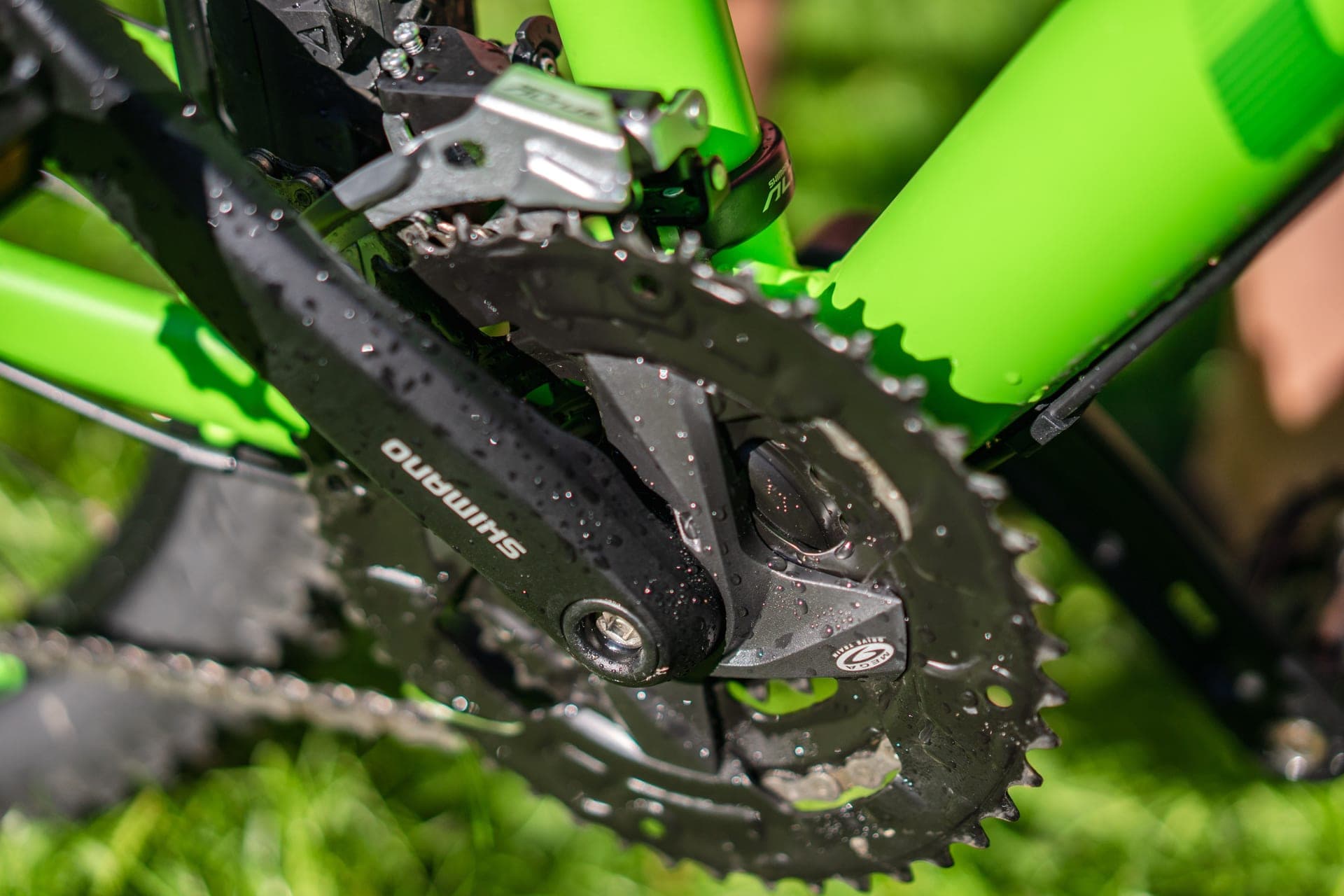
Four: where it has to fit. Pedals fit any bike and move between bikes in two minutes. The 4iiii is bonded to a specific Shimano crank arm at a specific length, so the fitment question moves to your chainset. Neither is better; they are different kinds of commitment, and our power meter types explainer covers what each mounting position can and cannot measure.
Every published figure, side by side
Quoted from the manufacturer specifications and live listing titles recorded on our power meter roundup. Blank means unpublished, and there are more blanks than people expect.
Read the model suffix twice
This is the most common expensive mistake in the category. Garmin’s Rally range uses suffixes to encode both the cleat standard and whether you get one sensor or two, and the listing in our catalog is the RS210— the single-sided, dual-sensing, Shimano SPD-SL version. Favero’s naming does the same job with the words DUO and UNO. If you have budgeted for two-sided power, check which product is actually in your basket before you pay.
Find out the cleat standard before you order the Assioma
We are being explicit about this rather than quietly leaving it out. Favero’s Amazon listing title is five words long and the manufacturer specifications we hold cover accuracy, mass, battery life and connectivity. None of them states the cleat interface, so we are not going to tell you which cleat it takes— that would be a claim from memory, which is the one thing this site does not do. Check Favero’s own product documentation or the retailer page before you commit, because this is the decision that determines your shoes.
One leg doubled is not left/right balance
Three of the four products here measure the left side and double it. That produces a total power number that is usually fine for training, and a left/right balance number that is structurally 50/50 because it was calculated, not measured. If balance is the reason you are buying, the Assioma is the only option on this page, and it is also the cheaper of the two pedal systems — which is the single cleanest argument in this whole comparison.
What we are not going to tell you
Which one is more accurate. Four identical published claims, zero published validation. We have not compared any of these against a reference device, nobody we can cite has published such a comparison for these specific models, and the figure itself is not defined by its publishers.
Which one is more reliable. No maker publishes a failure rate, a warranty claim rate or a service interval. Forum consensus exists; published data does not.
What either weighs installed.Garmin publishes no pedal weight at all, so the one real weight comparison available here is Favero’s 151.5 g per pedal against the pedals already on your bike — our pedal roundup has those figures where the makers publish them.
And the standing disclosure: we have not ridden, installed or measured any of these. Every figure on this page is quoted from the manufacturer’s own published specification or the live Amazon listing title, recorded on 18 August 2026.