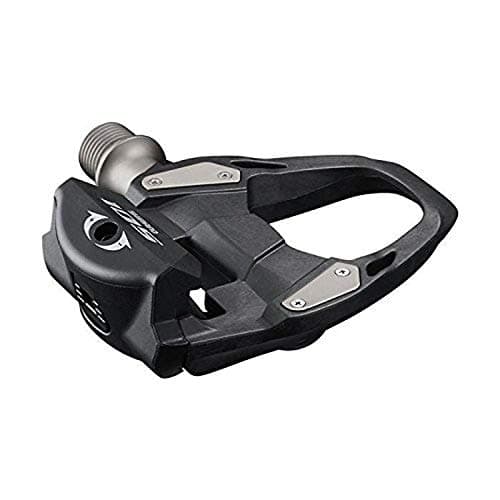
SPD is two bolts. SPD-SL is three. Almost everything else you have read about the difference is downstream of that. The bolt count decides the shoe, the shoe decides whether you can walk, and walking is the thing that actually changes how a ride feels off the bike. Shimano sells both systems, which is why this question is so common and so badly answered — the company is not trying to talk you out of either one.
We have not ridden any of these pedals, and we hold no data on power transfer, efficiency or knee comfort. What Shimano does publish, per cleat, is the float and the clip-out angle, and those two numbers plus the sole they bolt into settle the decision for most people.
The short answer
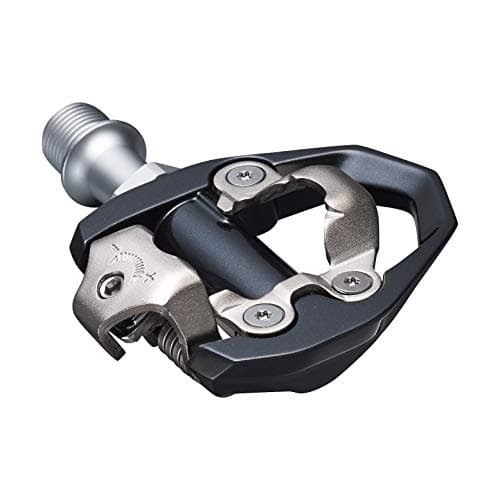
Buy SPD-SL if you ride and then go home. A wide three-bolt platform under the ball of the foot, and a cleat family published in 0°, 2° and 6° of float so the fit can be revised for the price of a cleat. The cost is a cleat that sticks out below the sole and a pedal that has to be flipped.
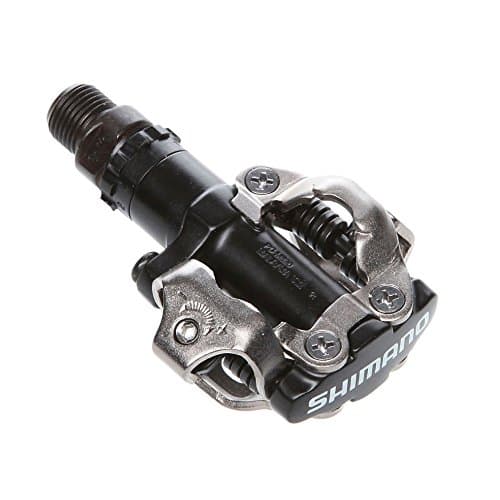
Buy SPD if you get off the bike. Commuting, cafes, bikepacking, gravel, touring, anything with a train in it. The two-bolt cleat sits recessed in the sole, so the shoe walks like a shoe. You give up platform area and one float option.
What Shimano actually publishes
Float is a property of the cleat, not the pedal, and this is the single most useful fact in the whole comparison. Shimano’s road cleat guide publishes three SPD-SL cleats: the yellow SM-SH11 with “six-degree float range (three degrees in each direction)” and a centered pivot, the blue SM-SH12 with two degrees, and the red SM-SH10 with none. On the SPD side there are two cleats and both publish the same 4° of float and a 13° clip-out angle — the single-release SM-SH51 and the multi-release SM-SH56, which differ in the direction you can twist out, not the number of degrees.
So the float ceiling is higher on SPD-SL and the float floor is lower. If your knees want 6°, only SPD-SL publishes it. If they want zero, only SPD-SL publishes that too. SPD gives you 4° and no adjustment. That is the entire published difference between the systems in the one dimension people actually feel.
Whichever side you land on, the float figure only does its job if the cleat is positioned so your neutralfoot angle sits in the middle of that range — which is Shimano’s own published instruction rather than our advice. How to set up cycling cleats is the procedure: three adjustment axes, which pivot point each cleat colour uses, and why your two cleats may legitimately end up at different angles.
The walking question, which is the real one
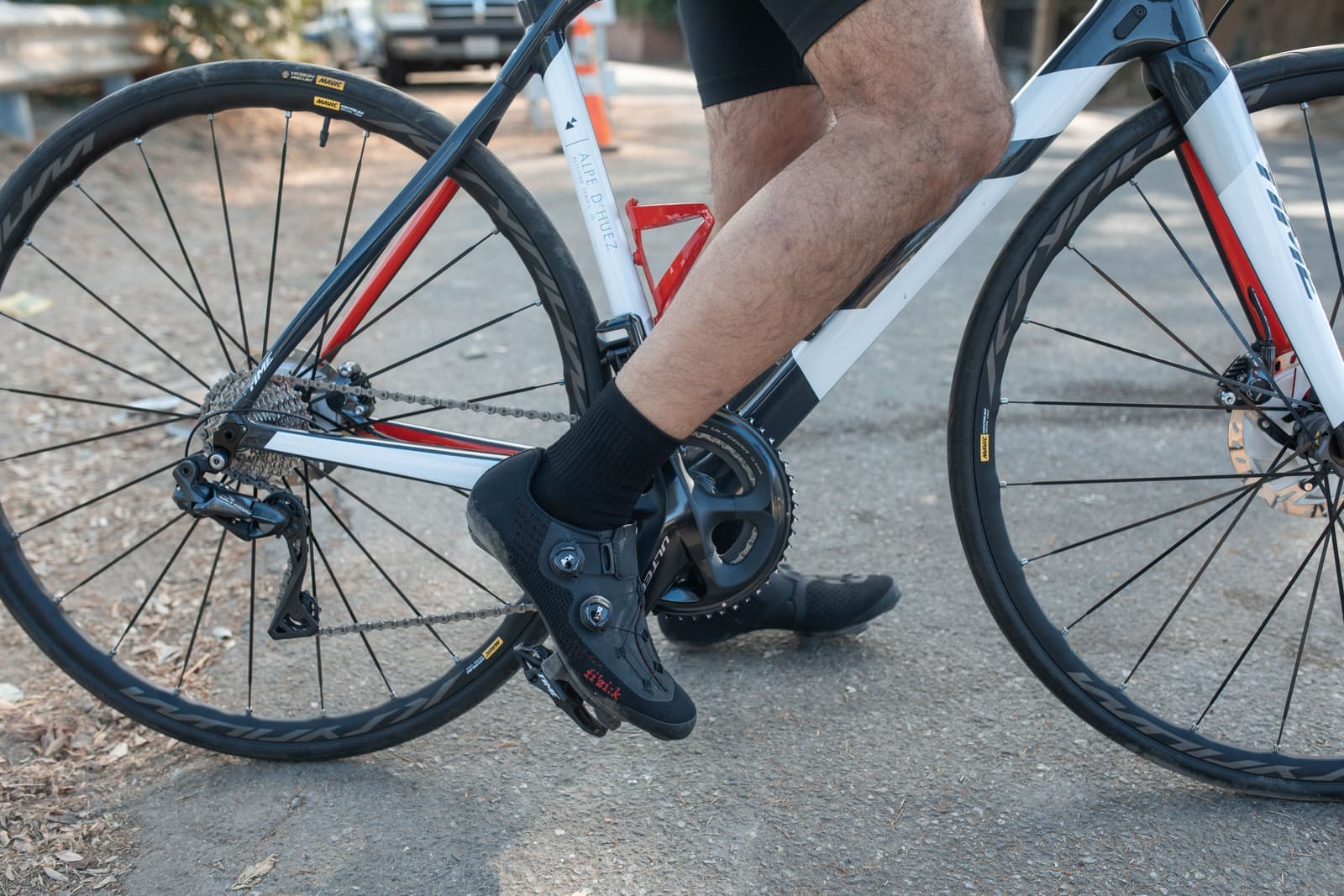
An SPD-SL cleat bolts onto the outside of a smooth sole and stands proud of it. You walk on the cleat. It clacks, it slips on tile, and it wears — road cleats are a consumable partly because of the walking, not the riding. An SPD cleat is small enough to sit in a recess in a lugged two-bolt sole, so the rubber around it takes the load and the cleat barely touches the ground.
That is why touring, commuting and gravel riders overwhelmingly run SPD on drop-bar bikes even though SPD-SL is right there. Our road vs gravel shoe comparison goes through what the bolt pattern does from the shoe’s side, including the stiffness tradeoff that goes with a walkable sole.
Why this decision costs more to reverse than to make
Changing standards is not a pedal purchase. It is a pedal purchase and a shoe purchase, because a three-bolt road shoe will not accept an SPD cleat and a two-bolt shoe will not accept an SPD-SL one. Some shoes are drilled for both patterns, and if you are genuinely undecided, buying one of those is the cheapest insurance available.
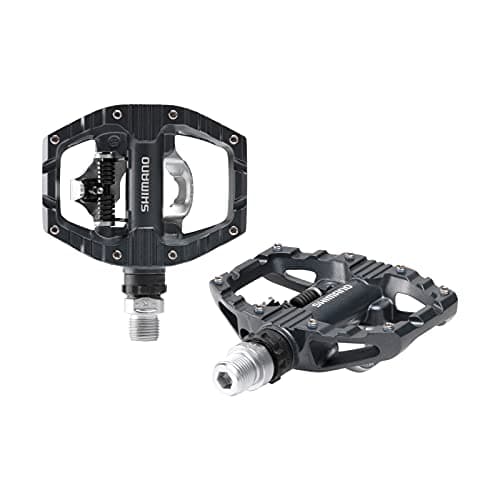
This is also why the dual-sided PD-EH500 is on this page. It is not the best pedal here by any measure, but it is the only one that lets a bike be ridden in regular shoes while you make up your mind — and it takes the same two-bolt shoe you would keep if you stayed with SPD.
What about power transfer?
“SPD vs SPD-SL power transfer” is one of the most common ways people phrase this query, and we are not going to answer it, because the answer would be invented. Nobody publishes a watts-lost figure for either standard, no maker claims one, and we hold no test data of our own. What is publishable is platform area — SPD-SL’s is larger — and Shimano does not publish contact area for any pedal on this page either.
The honest version: a larger platform spreads load over more of the sole, which is a comfort argument on a four-hour ride and matters less than your shoe’s stiffness. If you want to measure what you are producing rather than argue about what you are losing, that is what our power meter roundup is for.
What we did not compare
Stack height, because Shimano publishes it for none of these pedals. Weight, except where Shimano states it — the PD-ES600’s 279 g a pair is published and the others are not. And feel, bite, hotspots or knee comfort, because those are experiences and we have not had them. For a wider field including LOOK Keo and Speedplay, which do publish stack and contact area, see the road pedal roundup.
Having settled on road cleats, the next question is which road system, and the two answers publish different things about themselves: LOOK Keo versus Shimano SPD-SL sets the published float ranges, stack heights and cleat part numbers side by side.