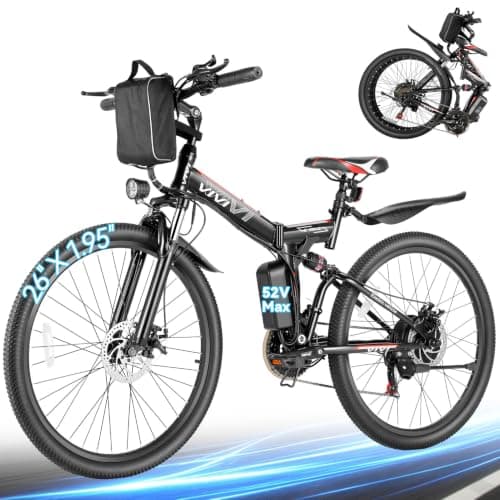
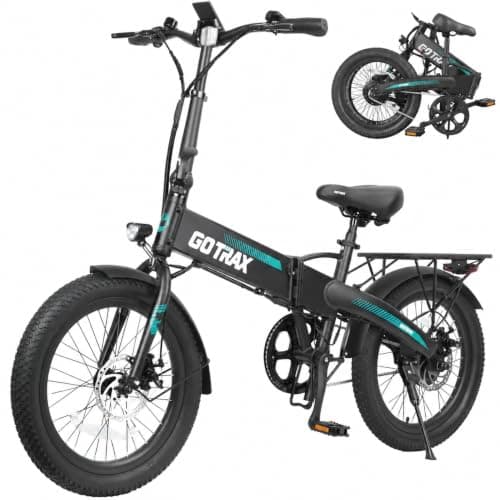
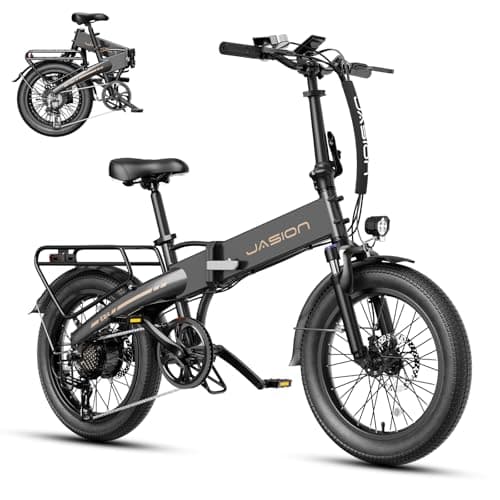
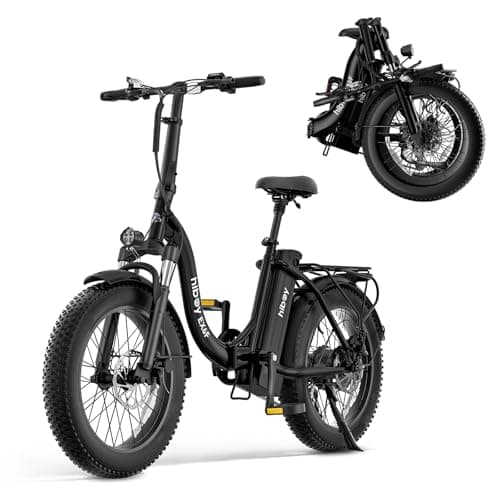
A four-figure ceiling is the most common way people shop for an electric bike, and it is the worst-served search on the internet. Almost every list under $1,000 is a price sort with adjectives attached, and most of them rank bikes nobody can buy today at the price in the headline. So this page does two things differently: it only ranks bikes that have a live price under the cap right now, and it ranks them on the two things the budget actually squeezes.
Those two things are how much battery the listing publishes and whether it claims a certification for it. Both are published facts, printed by the seller, quotable and checkable. Neither is our measurement, because we have not ridden or tested any of these bikes and we are not going to pretend we have.
The ranking in one sentence
A bike that publishes its pack in watt-hours beats one that publishes volts and amp-hours, which beats one that publishes volts alone, which beats one that says nothing — and a certification claim breaks the tie at the top. That is the whole method, and the table below shows you the inputs so you can disagree with the output.
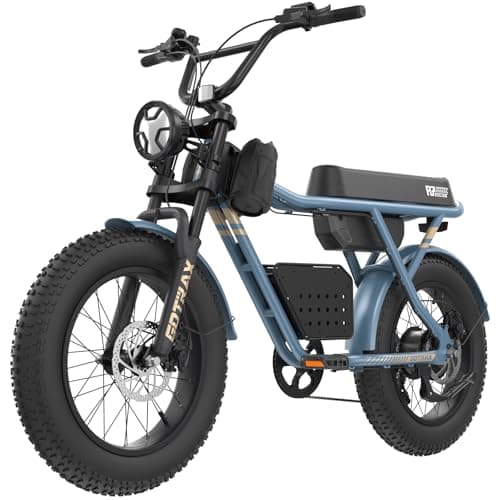
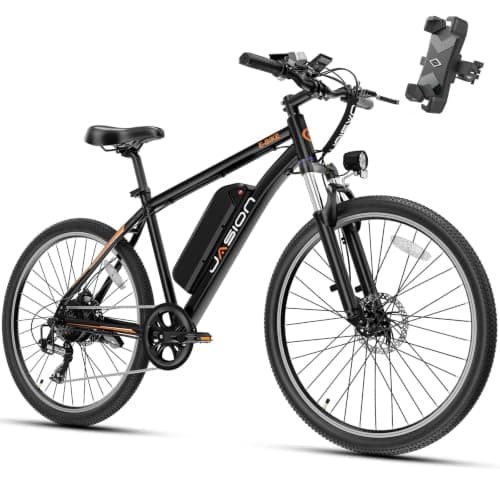
What the ranking produces is uncomfortable in a useful way: the two most expensive bikes under the cap publish less than the two cheapest. The bike at the very top of the band gives you eleven words of specification. The bike near the bottom publishes a watt-hour figure and names a UL standard. Price is not buying information here, and on a product whose value is almost entirely in a lithium pack you cannot see, information is most of what you have.
One bike in the table is under the cap and not ranked below, and it is worth naming: the Schwinn Parkwoodsits one cent under the line and is the only machine here from a brand most people have heard of. Its listing publishes a 350W hub motor, a 27in wheel and nothing else — no capacity, no voltage, no range, no speed. On this page’s axis there is nothing to rank, so it is shown in the table with its price and its silence rather than given a place it has not earned. It is ranked on the full-field page, where the axis is broader.
Certification: what two listings claim, and what nine do not
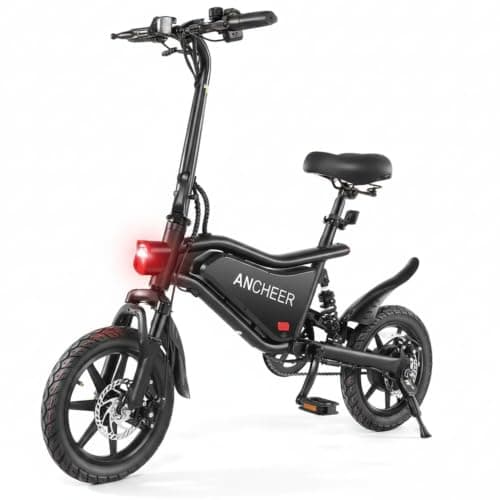
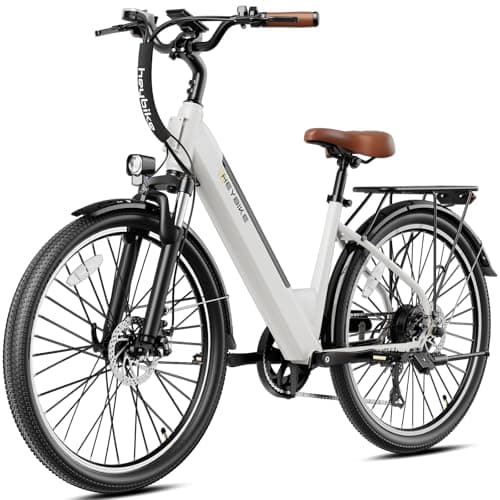
Of the eleven bikes ranked here, two make any certification claim at all. The Heybike Cityscape says “UL Certified”. The ANCHEER folder says “UL2849 Compliant”. Nine say nothing.
UL 2849 is the standard that matters for a complete e-bike. UL’s own description is that it provides electrical and fire safety certification by examining “e-bikes’ electrical drive train system, battery system and charger system combinations” — the three parts assessed together, rather than a cell or a pack in isolation. The same page records that New York City required UL 2849 certification for the electrical system of any powered bicycle sold, distributed, leased or rented in the city, with a compliance date of 16 September 2023, and that UL 2271 covers the storage battery rather than the system.
Three things follow, and all three matter more than the ranking:
- A word is not a number.“UL Certified” without a standard number does not tell you whether the claim is about the whole electrical system (2849) or the battery alone (2271). Those are different claims about different hardware.
- “Compliant” is not “certified”. One asserts that a product meets a standard; the other asserts that somebody checked. The cheaper of the two claims here is the more specific one and the weaker one at the same time.
- Silence is not evidence of danger.Nine listings not printing a claim does not make nine bikes unsafe, and we are not going to say it does. It means the claim is not published, which is a defect in the listing — and on a purchase where the fire risk lives in a component you will charge indoors a few hundred times, an unpublished claim is the one you cannot check.
If certification is your deciding factor rather than a tie-breaker, the honest answer is that this cap is the wrong place to shop. The bikes in this catalog that name the standard in full are mostly abovethe line: Heybike’s Mars prints “UL2849 Certified” and Hiboy’s fat-tire bike prints “UL Certified”, and both sit in four-figure territory. That is the actual shape of this market, and no amount of ranking changes it.
What the cap does not buy
Mid-drive motors. There is not one under this cap, anywhere, because the motor alone costs more than several of these bikes. Hub vs mid-driveexplains what you give up — and, more usefully, what you genuinely do not.
A trustworthy wattage comparison. The listings here shout 1500W peak, 1125W, 1000W peak, 750W peak, 500W rated, 350W. Those are not the same measurement. Federal law defines a low-speed electric bicycle as having a motor of less than 750 watts, and a peak figure is not the measurement the statute uses at all. Exactly one bike here publishes a RATED figure.
A weight. One bike in eleven publishes one. On a folding bike that is the specification that decides whether you ever actually fold it, and on any e-bike it decides whether you can get it into a car or up a step.
Not a ranking. A budget e-bike arrives with no helmet, usually no lock worth the name, and a rear light that is a reflector with ambitions. Each of these is already researched on this site under its own roundup.
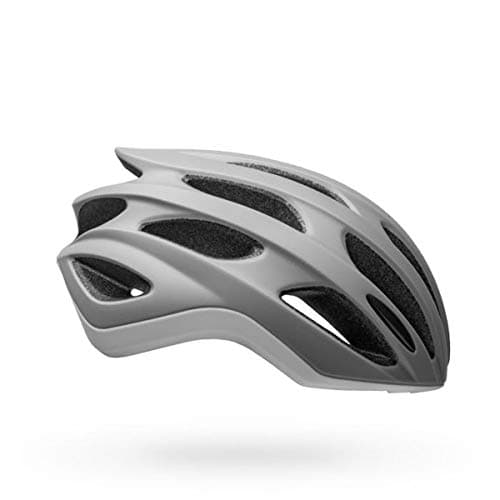
The helmet. These bikes assist to between 20 and 28 mph depending which one you buy, and the listing often does not say which. This one publishes a MIPS liner and sits at the cheap end of our helmet roundup.
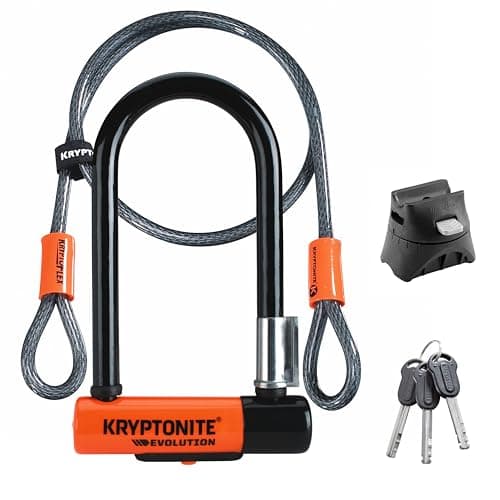
The lock. A cheap e-bike is still several hundred dollars of resalable hardware with a battery that has its own market. Our lock roundup ranks the category on published shackle dimensions and hardened-steel diameter.
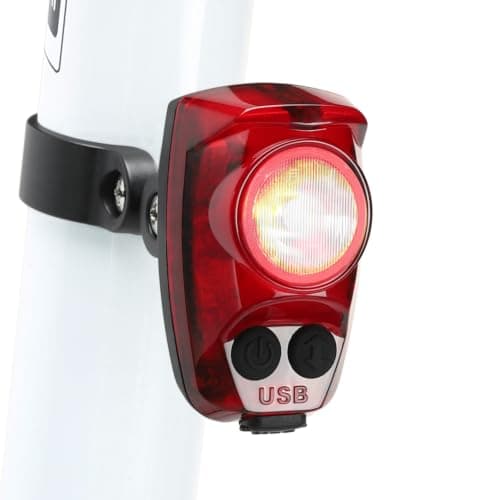
The rear light. Most of these listings mention a headlight and none of them publish a rear lumen figure. This one publishes both a lumen count and a run time per mode.
We haven’t tested any of these — they’re the parts the job above calls for, listed so you don’t have to go hunting. Prices are live from Amazon and we earn a commission if you buy. Prices as of November 16, 2026. #ad
What this page cannot tell you
We have not ridden, weighed, charged or dismantled any of these bikes. Every figure above is the seller’s own published claim, read through this site’s reuse layer from the roundup that first researched each bike, on the date that page records — so the specs here cannot drift away from the specs there. The prices are live from Amazon and move constantly.
The number that would actually settle this page is battery cycle life, and not one seller in this catalog publishes a cycle count, a warranty term in the listing, or a replacement pack price. Anyone telling you which of these bikes is still good in three years is guessing. What we can do is tell you which ones tell you anything at all.
Decide the shape before the price. The cap contains three different machines: a 26in city bike, a 20in folder and a fat-tire bike. They are not substitutes, and a cheap bike of the wrong shape is money wasted more efficiently. If the bike has to live in a hallway or ride a train, start at the folding e-bike roundup; if it has to carry you to work on pavement, the commuter and full-field pages are the better frame.
Convert every pack to watt-hours before you compare anything.Volts times amp-hours is the whole sum, and the spread under this cap is roughly 281Wh to 676Wh — more than a factor of two for bikes a few hundred dollars apart. E-bike battery range explained works through why that number, and not the motor wattage, is the one that decides what the bike can do.
Treat every range claim as a best case.“Up to 50 miles”, “68 miles”, “20-50 miles” — all manufacturers’ numbers, produced in conditions the manufacturer picked and did not publish: no rider weight, no assist level, no gradient, no temperature. How far can an e-bike really go works through what the claims imply.
Price the pack, not just the bike. The battery is the depreciation on a cheap e-bike, and a replacement is a serious fraction of what these bikes cost. No seller here publishes a replacement price. If you want the arithmetic rather than the vibe, the cost per watt-hour table divides the live price by every published capacity in the catalog, and what an e-bike costs to run shows the electricity is the part you can safely ignore.
Charge it where you can see it. This is the one piece of advice that applies to every bike on this page regardless of what its listing claims: charge on a hard surface, not on carpet or a bed, not overnight unattended, not in the only exit route from your apartment, and use the charger that came with the bike. How to charge and store an e-bike battery is the long version, and it matters most on exactly the bikes whose listings say nothing about certification.
Check the class before you ride where you plan to ride. Two bikes here are specified at 28 mph and neither states a class. E-bike classes explained covers what that means for bike paths, and helmet rules by class covers the part people find out about from a police officer.