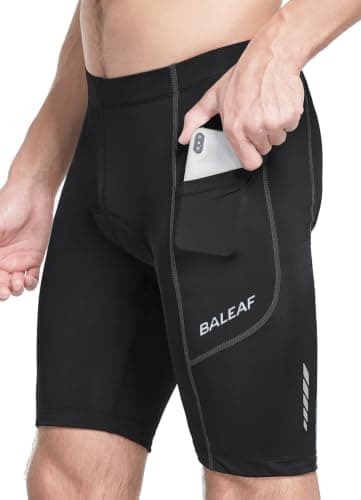
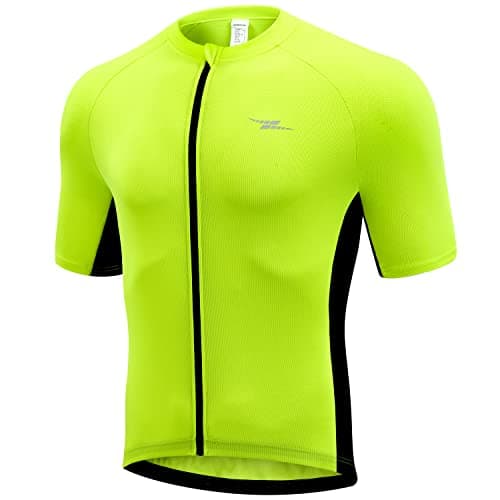
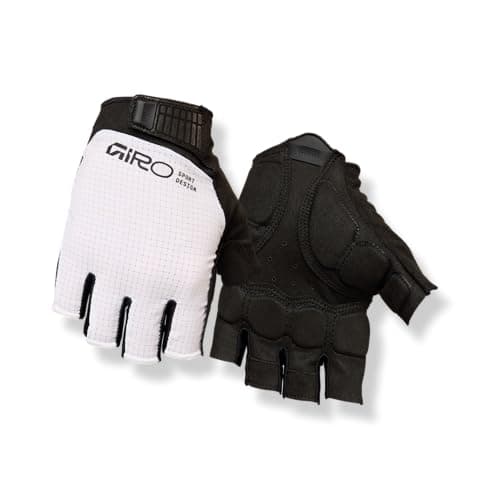
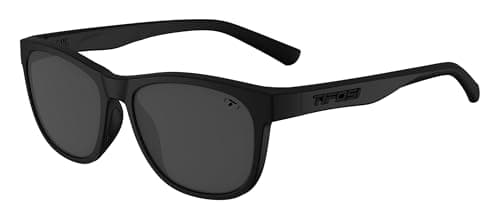
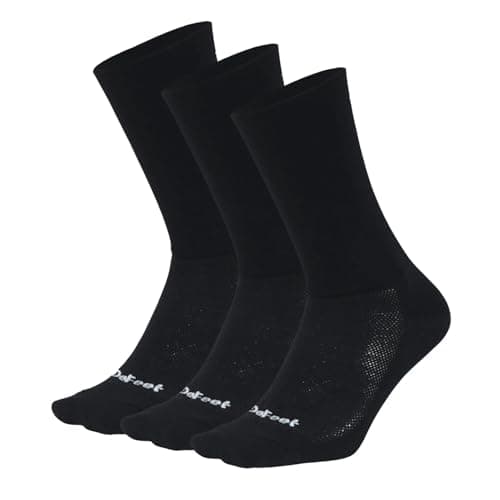
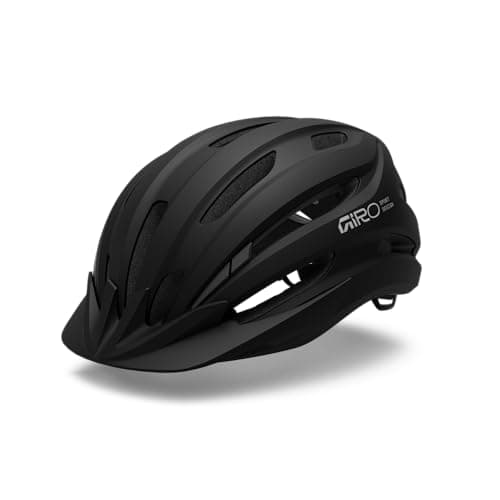
Buy a helmet, then padded shorts. Those two cover the two things that actually stop people cycling — risk and discomfort — and everything after them is refinement. The other four items on this page are worth owning, in the order they appear, and there are two popular beginner purchases we will actively argue against making yet.
This page exists because the question people ask is not “which jersey is best”. It is “what do I need to start”, which is a question about order. So the order here is explicit, and the thing it is ordered by is consequence: what goes wrong if you skip the item. That is the only honest way to rank six objects doing six different jobs — each one has already been ranked against its own category on its own roundup here, and the published specs below are read straight from those pages so the two cannot disagree.
What this page refuses to tell you
That you need more than this. The cycling industry’s beginner-gear content is structurally inclined to lengthen the list, and the most useful thing we can do is say where it honestly stops.
You do not need cycling shoes or clipless pedals yet. Flat pedals and trainers work. Clipless shoes are a real improvement and they are also a system purchase — shoes, pedals and cleats, with two incompatible standards to choose between. Ride for a season first, then read SPD versus SPD-SL and how to set cleats up, in that order.
You do not need a bike computer. Your phone records a ride perfectly well, and the honest case for a dedicated unit is turn-by-turn navigation and radar pairing — neither of which is a beginner problem. Computer versus phone is the page for that decision, and the answer for most new riders is the phone.
You do not need a power meter, a heart rate strap, or a second bike. Obviously. We mention it because the search results for this topic will tell you otherwise.
The one thing on this page that is not clothing
Nothing on the list above fixes a puncture, and a puncture ends a ride. We have kept this page to what you wear because that is what the question asks about, but the honest companion purchase is a spare tube, two tire levers, something to inflate with and a multitool — ranked by the same consequence axis on what to carry on a bike ride. If you buy one thing from that page instead of the socks here, buy the tube, and make sure it matches your valve type and tire width.
Four checks that stop a beginner kit purchase going wrong, in the order they bite.
Sizing runs small, and the charts are not comparable. Cycling clothing is cut to be tight on a bike, which means it is tight off one. Budget brands run smaller again. There is no industry standard, so a medium in one brand is not a medium in another — read the measurements, not the letter, and when two sizes are plausible take the larger one for your first purchase.
Padded shorts are worn without underwear. Worth repeating because it is the single most common beginner mistake, and the seams in underwear cause exactly the chafing the chamois exists to prevent. The chamois guide covers the rest.
A helmet has to fit, and fit is not a spec. Level on the head, two fingers’ width above the eyebrows, straps forming a V under the ears, and tight enough that it does not move when you shake your head. The fitting guide is a five-minute read and it is the difference between a certified helmet and a certified helmet that works.
Wash it properly or it stops working. Technical fabrics lose their wicking to fabric softener and their elastic to a hot wash, and a chamois has a service life. How to wash cycling kit is the page, and it is the cheapest way to make this list last.
One final piece of ordering advice. If your budget covers two items and not six, the two are the helmet and the shorts — and if it covers three, make the third a spare tube rather than a jersey. Pockets are a convenience; a flat is a walk home.