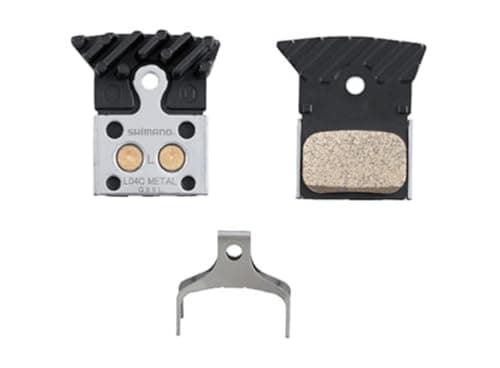
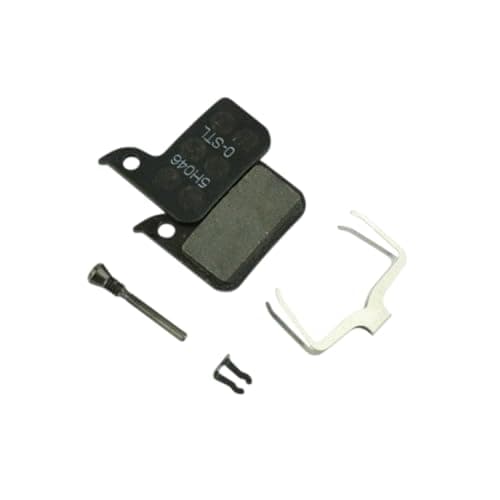
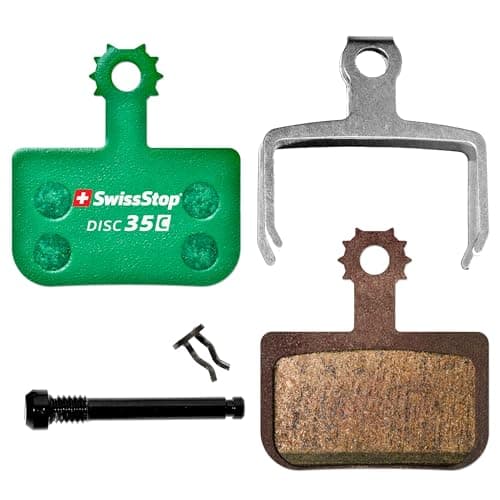
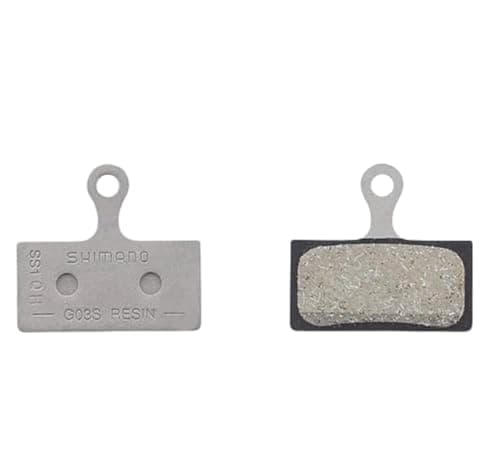
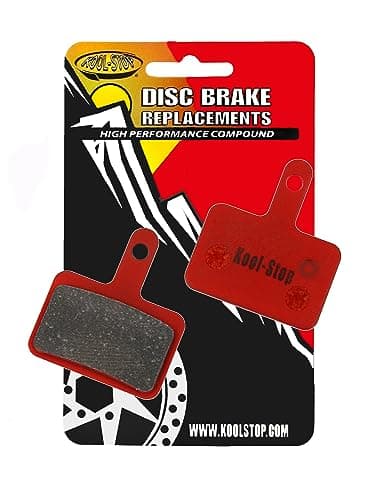
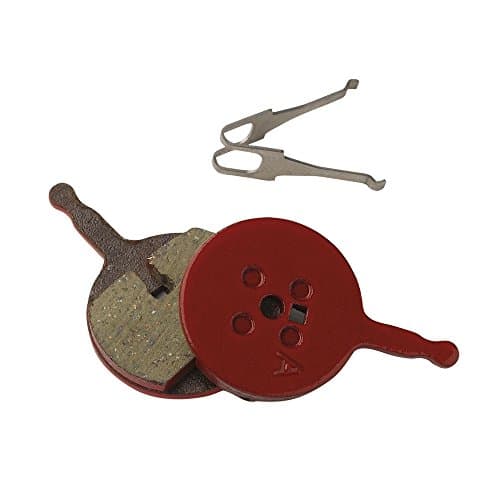
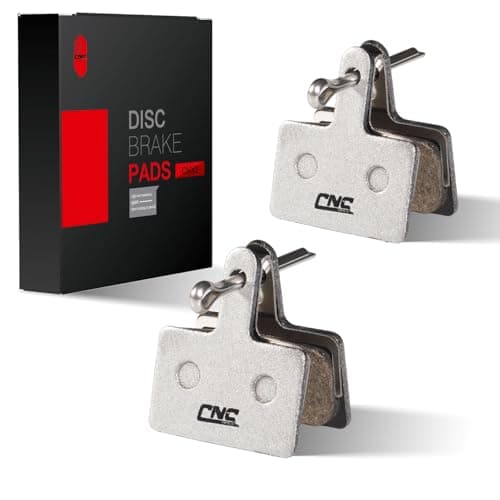
There is no such thing as a best disc brake pad, and any page that ranks pads without first asking what caliper you own is selling you something. A pad is a shape before it is a compound and a compound before it is a brand. Get the shape wrong and nothing else matters: the pad will not go in, or worse, it will go in badly.
Park Tool states the position plainly on its service page — pads are caliper-specific, and the correct procedure is to “look up your specific caliper model on the manufacturer’s website to find the correct pads”. It allows a fallback for when you cannot: “look for a replacement pad that looks identical in shape to your old pads. If it’s the same shape, it’ll likely work.” Note the word likely. That is the state of this category.
Two makers, two fitment languages, neither translated
The reason pad buying is harder than it should be is that the two companies who make most of the brakes on the road describe fitment in completely different systems, and neither system appears on the aftermarket packaging.
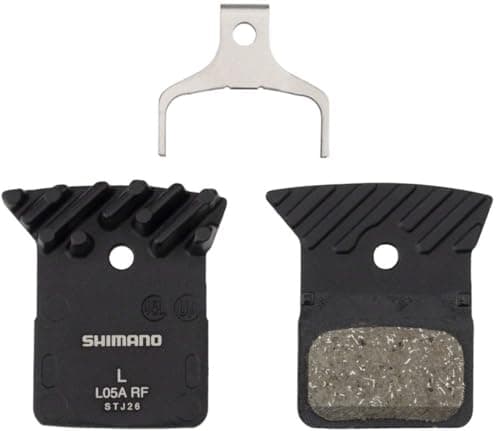
Shimano publishes a type letter. Its brake pad line-up table lists B, G, J, K, L, N, D, H and P types, each with its own model codes, and then names every caliper each one fits. The L-type is the current road and GRX shape. The G-type is the two-piston mountain and trekking shape that most hybrids use. They are not interchangeable and the table shows it caliper by caliper.
SRAM publishes a size name. Its pad overview states that pads come in five sizes — “Small Asymmetric, Small, Medium, Large, and Extra-Large” — and identifies compounds by backing-plate color rather than by code. There is no letter to look up, and there is no conversion between the two systems because they are describing different things.
Everyone else publishes a list of calipers.The aftermarket sells on compatibility strings: “for Shimano B01S B03S B05S”, “Fits SRAM RED AXS, Force AXS, Rival AXS”. That is the most directly useful format of the three, and it is also the one with nobody standing behind it.
The one published number worth buying on
Shimano’s line-up table carries a single sentence that changes a purchase, and almost nobody repeats it: “‘05’ pad is more durable than ‘03’ pad in the same type by 40%”.
Read that carefully. A BP-L03A-RF and a BP-L05A-RF fit the same calipers, are both resin, both have aluminum back plates, and sit next to each other on the same search page at similar prices. Shimano is telling you one of them lasts substantially longer. The same applies to the G03S against the G05S further down this page. It is the closest thing to a performance figure this category publishes, it comes from the company that makes both parts, and it is free to act on.
That is the whole reason two of our eight picks are “05” pads. Not because we measured anything — we measure nothing — but because the manufacturer published a comparison between two of its own products and we are passing it on.
Compound comes second, and it is not a ladder
Once the shape is settled you get one real choice: resin and organic on one side, metal and sintered on the other. It is tempting to read that as cheap versus premium. Neither maker does. SRAM describes organic pads as producing “less noise, and require less time to bed-in”, and sintered pads as excelling “in all conditions, especially in wet and muddy environments”, with organic explicitly “not the best choice for wet or muddy conditions”. Two compounds, opposite strengths, no winner named.
We work that through properly in organic versus sintered disc brake pads, which is the page to read if the compound is the part you are stuck on. What belongs here is the buying consequence: SRAM publishes that “when changing brake pad compounds, it is crucial to replace the rotors as well to achieve optimal performance”. Switching from resin to metal is therefore not a pad purchase. It is a pad and rotor purchase, and the second half of that bill is the larger one.
What none of them publish
No maker on this page publishes a stopping distance, a friction coefficient, a pad life in miles or an operating temperature range. SwissStop publishes a scorecard, but it is SwissStop scoring SwissStop, so we name it and decline to repeat it — a score with the seller’s hand on it is not a measurement, and this site does not print scores at all.
Two consequences. First, there is no honest way to rank pads against each other on performance, so this page ranks them on fitment clarity: how much you can verify before you spend. Second, the specification that actually decides when you buy again is a wear limit, and only Park Tool publishes a usable general one — “generally, the pad material should measure at least 1mm thick”. Check yours with the wheel out, before the ride you would rather not walk home from.
Everything above is either the manufacturer’s own published claim, attributed by name, or a quote from the live Amazon listing marked “Listing:”, all read on 2 September 2026. Where a figure does not exist, the table says so instead of estimating it. How we research sets out the rest of the method.
Read the caliper, not the bike.The model code is printed on the caliper body — something like BR-R7070 or BR-M6000 on a Shimano, or a name like Rival or Level on a SRAM. That code is the answer. The bike’s model year, groupset name and price bracket are not.
If both an 03 and an 05 fit, buy the 05. Shimano publishes a 40% durability difference between them in the same type. They usually sit within a small amount of each other on price, which makes this the easiest saving in the category.
Buy two pairs, not one. Almost every listing here is one pair, which is one wheel. A bike has two brakes, they wear at different rates, and the rear will surprise you.
Changing compound means changing rotors. SRAM publishes this outright. If you are moving from resin to metal, the rotor bill is part of the decision, not a surprise afterwards.
Check thickness before every big ride, not after.Park Tool’s general figure is 1mm of pad material minimum, and it suggests three stacked business cards as a field gauge. Worn past that and you are grinding the backing plate into the rotor, which turns a cheap job into an expensive one.
Keep oil away from everything.Contamination is the most common cause of a brake that suddenly stops working properly. Park Tool lists the symptoms as “a squeal, extra effort at the lever to slow down, or a darkness on the rotor and pads that smears when rubbed with a finger”. Our degreaser roundupcovers Shimano’s published rule that brake systems get soapy water and a dry cloth, not solvent.
Bed them in before you trust them.SRAM publishes a procedure it says “only takes 10 minutes” and calls “the only proven way to ensure optimal power, consistent feel, and quieter braking”. New pads out of the box do not stop as well as bedded ones, and the first descent is the wrong place to discover that.