Two products share this category, and they do different jobs
Search for a bike GPS tracker and you get two things that work nothing alike. Getting this distinction right is most of the decision.
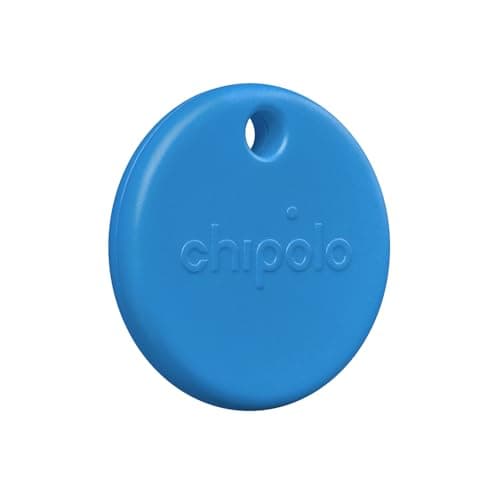
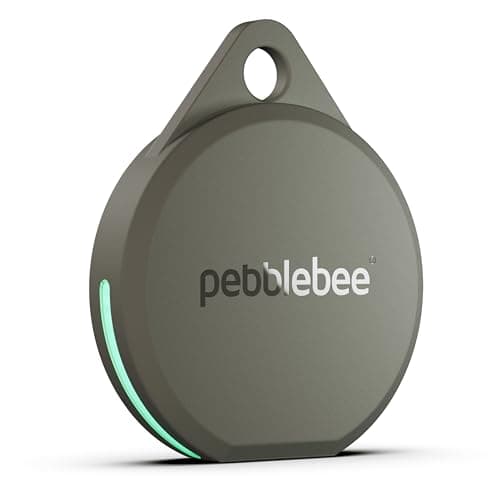
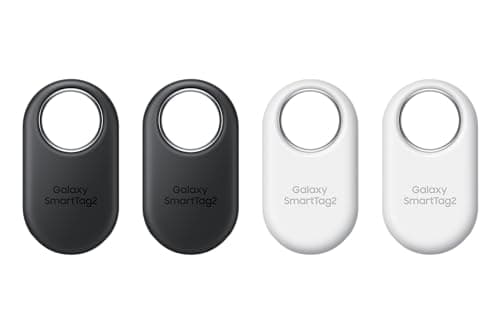
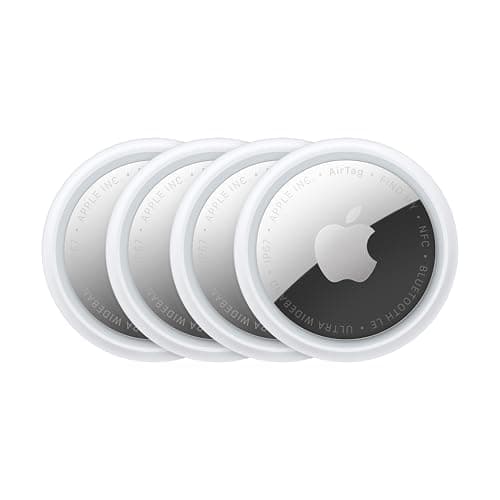
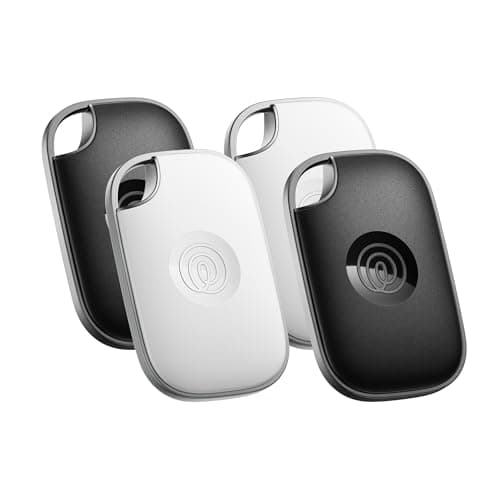
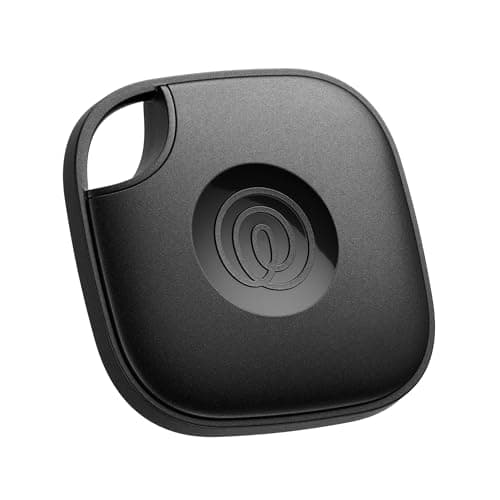
A Bluetooth taghas no GPS in it and no connection to anything. It shouts its identity over short-range radio and waits. When a phone belonging to a stranger walks past, that phone notes the tag’s position and uploads it. You get a pin and a timestamp. Seven of the eight products here are this.
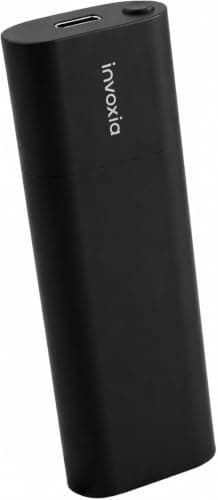
A cellular tracker has its own GPS receiver and its own SIM card. It knows where it is and it tells you, over the mobile network, without anyone else being involved. One product here is this, it is the most expensive thing on the page by a distance, and its listing is the only one that publishes a position-update rate.
The practical rule: a tag answers “where was my bike last seen?” and a cellular tracker answers “where is my bike right now?”. A tag costs nothing to keep running and depends on there being people around. A cellular tracker works in an empty field and depends on you paying for a SIM.
The number none of these publishes
Zero of the eight listings on this page publish a range in feet or meters. Not one. On a category of product whose entire function is to be detected from a distance, the two closest things to a range specification are the word “Powerful” and the phrase “up to 1.5X Precision Finding Range*” — which is a ratio against an unstated baseline with an asterisk attached.
It is the same shape of gap this site keeps finding. On folding e-bikes nobody published a folded dimension; on water bottles nobody published a diameter. Here nobody publishes a range, and the reason is probably that the honest answer depends entirely on how many phones are nearby — which is not a property of the product.
What the listings DO publish, patchily: three name the finding network, and only one names both of the two that matter. Two publish an IP rating. Two publish a battery-life figure. Two publish a loudness figure in decibels. One publishes an update rate. That is the entire measurable content of the category.
Which phone you carry decides which of these you can buy
This is the first filter and it eliminates most of the page for most people. The two largest crowd-finding networks are run by Apple and by Google, and a tag joins one, the other, or both.
Of these eight listings, one names Apple’s network and Google’s network side by side — the only product here guaranteed to work whichever phone you own. One names Apple’s network and states iOS only. Three say “compatible with iOS and Android” without naming any network at all. One says “Findable via App”. One, remarkably, is the best-known tag in the world and names no network whatsoever in its listing, only the phones that set it up.
Two consequences worth knowing before you buy. The first is density: a crowd-sourced network in a city center is uncannily good and in a rural valley can go silent for days, and no product can fix that. The second is anti-stalking alerts. Both major networks are designed to warn a person when an unknown tag is traveling with them, because the alternative is a tracking device anyone can plant on anyone. One listing here publishes an “Alert Safety Mode” acknowledging this. It is the right design decision and the direct side effect is that a thief carrying a modern phone can be told something is following them.
A tracker is not a lock, and this page will not pretend otherwise
None of these products prevents a theft. A tag does not resist an angle grinder, it does not make a bike harder to carry away, and with one exception on this page it does not even make a noise unless you ask it to. What it offers is a chance at recovery afterward.
How good a chance? No listing on this page publishes a recovery rate, no credible figure for bike recovery via consumer trackers was available to cite, and this site does not invent numbers. What we can say is structural: a pin on a map is information, acting on it is a police matter rather than a personal one, and the value of the tracker is proportional to how seriously your local force treats it.
So buy the lock first. Our bike lock roundup ranks that field on published security ratings, which — unlike this category — actually exist, and how to lock a bike covers the technique that makes the lock worth what you paid for it. A tracker is the thing you add after both of those, not instead of them.
The mount is the hard part, and none of the trackers include one
A tracker in your jersey pocket tracks you. To track the bike it has to be attached to the bike, hidden well enough that the person stealing it does not simply drop it in a gutter, and secure enough to survive a few thousand miles of vibration. Not one of the eight trackers above publishes a mounting method.
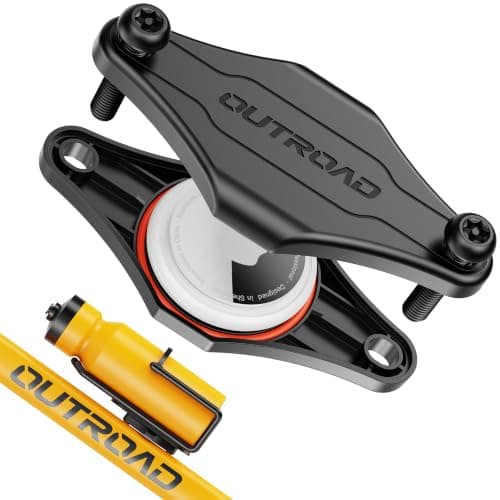
There are three places people hide a tag on a bicycle, in rough order of how well they work: under the bottle cage (behind the cage, against the frame, invisible from standing height and held by frame bolts); inside something that is already on the bike (a bell, a saddle bag, a tool wedge); and inside the frame itself, under the saddle or in the steerer, which is the best hiding place and the worst for radio.
That last point is the one people miss. A tag is a radio transmitter, and burying it inside a carbon or aluminum tube is putting a shield around it. The compromise almost everyone lands on is the bottle cage position, which is why the mounts below exist and why two of the three publish the fastener they use.
Not a ranking. A Bluetooth tag has no mounting provision of any kind, so the mount is a separate purchase and it is the part that decides whether the tracker survives. These are the three that resolved for this page, and the fastener each one publishes is the useful part.
The bottle-cage position, which is the one most people should use. The listing publishes "Hidden Under Bottle Cage" and "M5 Black Security Screws" — M5 is the standard bottle-cage bolt, so the mount goes on behind your existing cage with nothing new drilled, and a security head means it cannot be removed with a multitool. Fits AirTag 1st and 2nd generation per the listing.
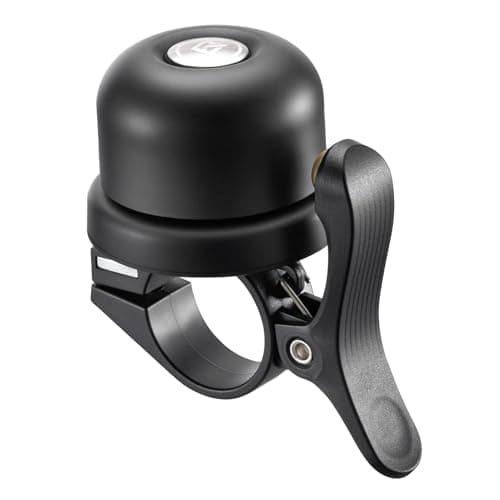
Hiding it in plain sight. A functioning bike bell with a sealed compartment underneath: the listing publishes a 0.87 in handlebar fit, a copper alloy bell, water-resistant construction, a sealed tracker compartment and an included Allen wrench. The handlebar is poor for concealment and excellent for radio, which is the opposite trade to the frame.
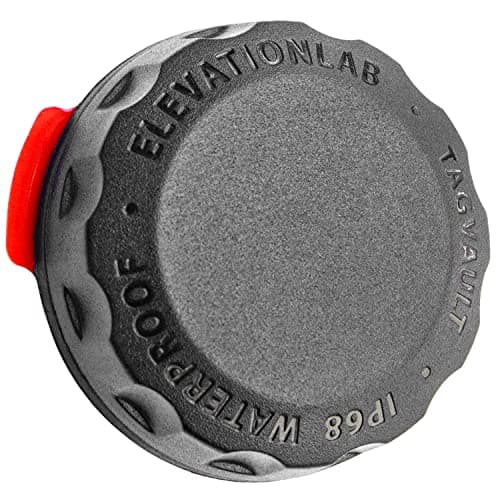
Anywhere else. A waterproof screw-together AirTag shell with 3M VHB adhesive per the listing, which is what you use when there is no bolt to use — under a rack, inside a cover, on a flat surface in the frame triangle. Adhesive-only mounting is the weak point and the listing's own answer is a screw-on design around the tag itself.
We haven’t tested any of these — they’re the parts the job above calls for, listed so you don’t have to go hunting. Prices are live from Amazon and we earn a commission if you buy. Prices as of November 16, 2026. #ad
What lives outdoors needs to be rated for it, and six of eight are not
A bike tracker’s whole purpose puts it outside. It will be rained on, pressure-washed by road spray off a front tire, and left in a yard overnight in February. Two of these eight listings publish an IP rating — both IP67 — and the other six publish nothing about water at all.
That is worth weighing against price. The two products that publish a weather rating are not the cheap ones, and the mounts below partly cover the gap: two of the three publish a water claim, and an unrated tag inside a rated shell is a reasonable system. But do not assume a sealed-looking plastic tag is sealed. If the listing does not say it, this page does not say it.
Where the tracker fits with everything else on the bike
If you already run a bike computer, you have GPS on the bike whenever you are riding it — and none of it when the bike is parked, which is precisely when it gets stolen. The two devices do not overlap.
For e-bikes the calculation shifts. The bike is worth more, it is heavier to carry off and easier to ride off, and it already has a battery. Our e-bike accessories page covers the rest of that kit list. And if the bike lives in a garage rather than on the street, the single best anti-theft measure is not on this page at all — it is getting it off the floor and out of sight, which our storage rack roundup covers.
What we could not check
Nothing on this page has been mounted, tracked, soaked or timed. Every “Listing:” line above is the live Amazon listing text for the exact ASIN linked, read on 26 October 2026. No manufacturer page is cited and no third-party review figure is used.
Three specific refusals are worth naming. We do not state a recovery rate, because none is published and the figures circulating are not sourceable. We do not state a range for any tag, because no listing publishes one and the honest answer depends on how many phones are nearby. And we do not credit the best-known product here with a network it does not name: “Find My” appears nowhere in that listing, and on this site the ranking runs on what the seller has committed to in writing.