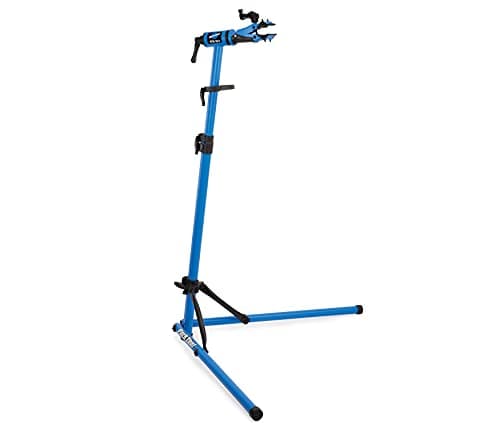
The home mechanic is the hardest cyclist to buy for and the most rewarding. Hardest, because they already own everything you would think of: a multitool, a pump, a chain checker, three kinds of lube. Most rewarding, because they know exactly what they want and cannot justify buying it, and that gap between wanting and justifying is where a gift lives.
What they put off is the bench. A repair stand feels like a luxury until the first time a bike is held at chest height with both hands free. A torque wrench feels like an indulgence until the first stripped bolt on a carbon seatpost. A pump that can be rebuilt for twenty years feels absurd next to one that works fine today. Every one of those is on this page, drawn from our workshop hub, where the reasoning for each lives.
We have not used any of this
The rule is the same across the site: no testing, no hands-on claims. Specifications are the seller’s or maker’s published figures, read on the date recorded on the source roundup or guide and reused here word for word. Prices are live from Amazon with a date; stale data is removed. Where we quote Park Tool’s torque figures, they are Park Tool’s, and the link is to the page they came from.
The one check: look in the garage
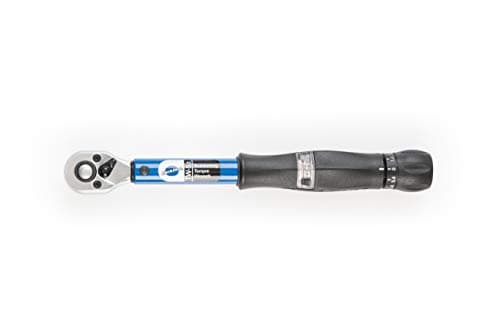
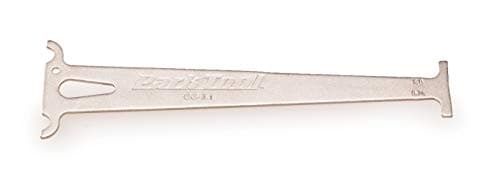
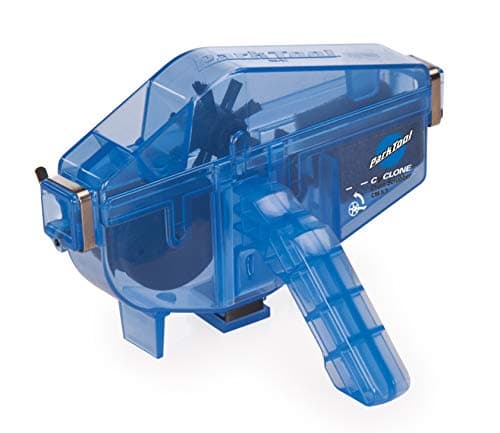
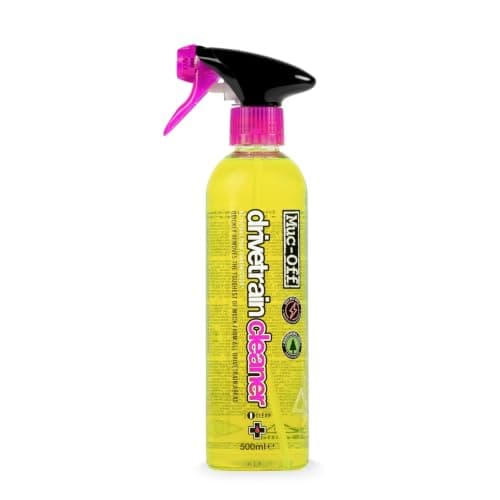
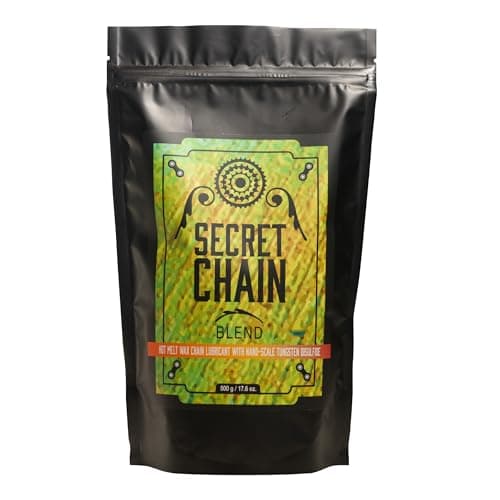
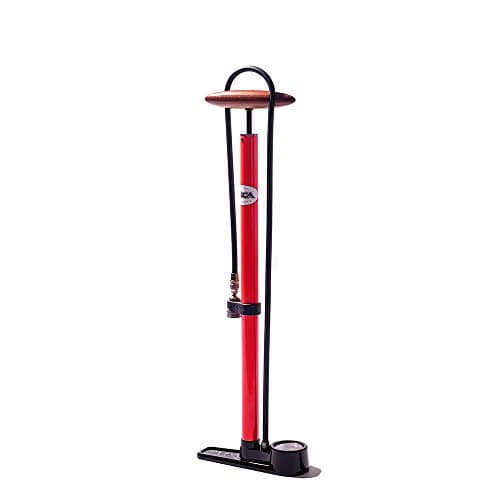
Every gift on this page can be a duplicate, and every duplicate can be avoided with a minute in the garage. A repair stand is a tripod or a clamp on a pole, usually folded against a wall. A torque wrench is a long ratchet-style handle with a numbered scale, often in a plastic case. A chain checker is a small flat steel gauge with two hooked ends. A slow cooker that is clearly not for food means they wax, which changes the lube gifts and rules out the scrubber. A tall floor pump with a big round gauge means the Silca is a second pump.
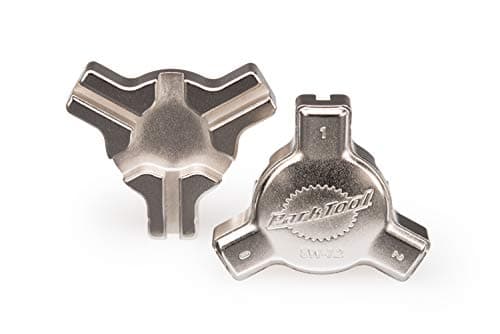
If you cannot get into the garage, buy the consumables — the degreaser, the wax if they wax — or the two cheapest tools, the chain checker and the spoke wrench, which are so inexpensive that a duplicate is not a disaster.
Why two torque tools
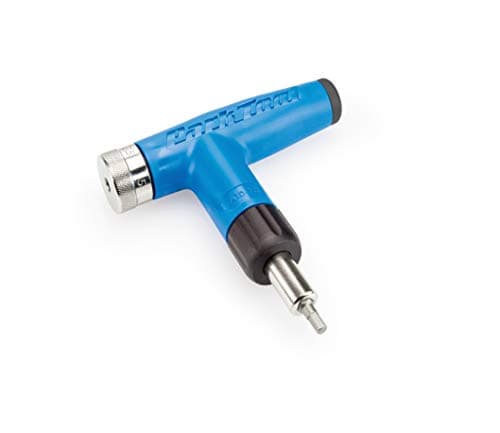
Because they do different jobs, and Park Tool publishes the numbers that show it. The TW-5.2 is a click wrench covering 2 to 14 Nm in 0.2 Nm steps, which is the range of every stem, seatpost, handlebar and brake bolt on the bike. The ATD-1.2 is a preset driver that clicks at five settings between 4 and 6 Nm, which is where stem and seatpost bolts cluster, in a tool small enough to travel. A mechanic with neither wants the wrench. A mechanic with the wrench often wants the driver. Both stop at the figures Park Tool’s own torque table puts on cassette lockrings and bottom brackets, which need a bigger wrench and are not on this page; our torque guide lists the published figures by component.
What we left off, and why
Chains and cassettes, which a mechanic would love and which must match a speed count and a brand you cannot see from the box. If they have told you they need a chain, the chain roundup and the cassette roundup sort them by the numbers the bike already has. A complete tool kit in a case: our workshop roundup has one, but a mechanic already owns most of what is inside it, and a case of duplicates is not a present. And a multitool, which is on the stocking stuffer list instead, because every mechanic already has three.
On waiting for November
We looked for Park Tool in the Black Friday and Cyber Monday roundups we read for the deals page and did not find a Park Tool deal listed in any of them. That is not evidence there was none; it is evidence we did not see one, and we would rather tell you that than guess. Pumps, degreasers and wax are low-ticket, and a percentage off a small number is a small number. The honest, sourced version by product class is on the Black Friday page.